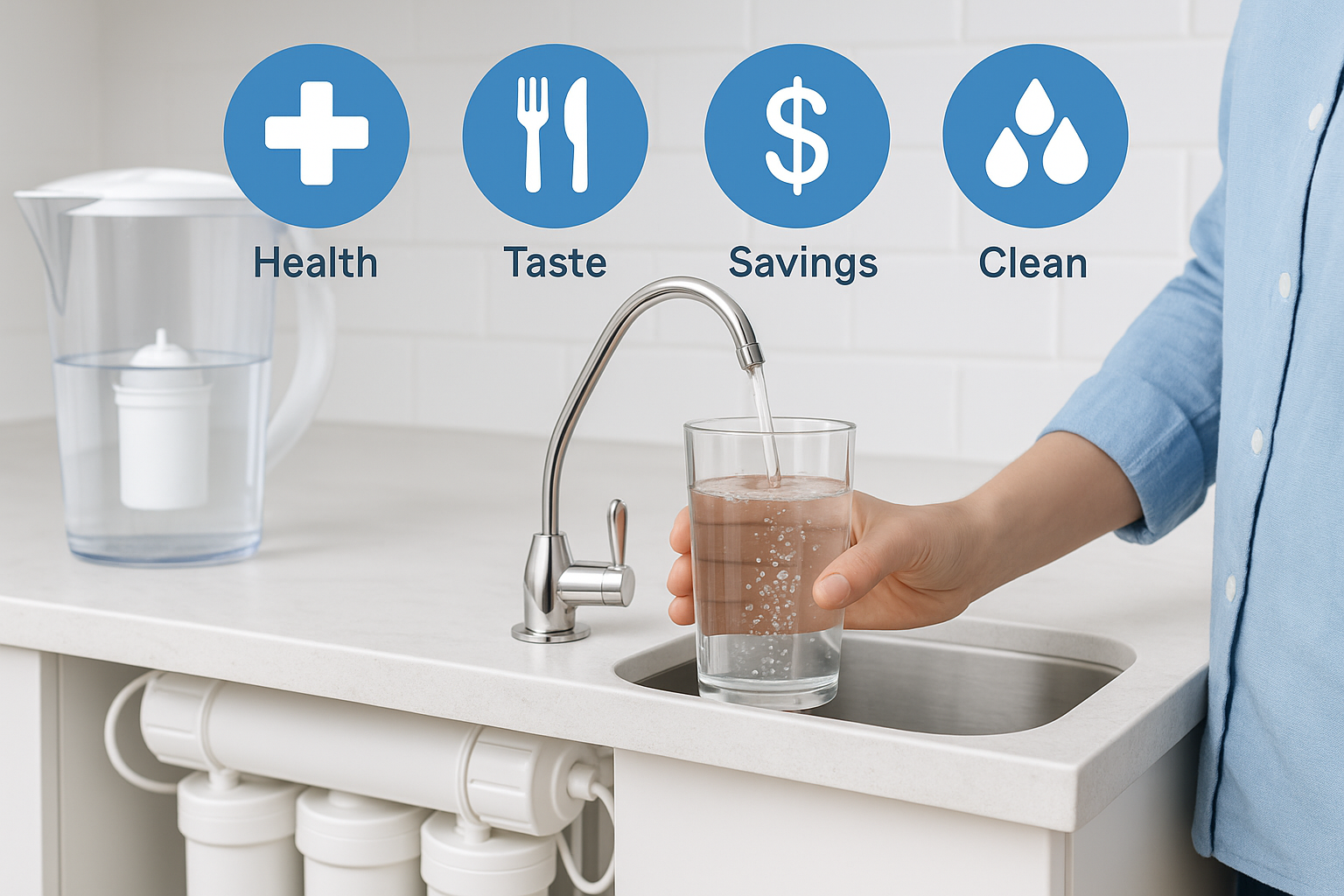
Why Home Water Filtration Matters
Clean water is one of the most important ingredients for a healthy home. While municipal treatment brings water to safe standards, trace contaminants, chlorine taste, and local plumbing issues can still affect the quality of water you and your family drink, cook with, and bathe in. Installing a home water filtration system puts you in control—improving safety, flavor, and peace of mind.
Health Benefits
One of the most compelling reasons to install a water filter is improved health. Filtration systems can reduce or remove:
- Chlorine and byproducts: These can cause taste and odor issues and may irritate sensitive skin.
- Heavy metals: Lead, mercury, and other metals that can leach from aging pipes.
- Microorganisms: Certain technologies like UV can inactivate bacteria and viruses where needed.
- Organic contaminants: Pesticides, herbicides, and volatile organic compounds (VOCs) that may be present in source water.
Reducing these contaminants can lower long-term health risks and help protect children, the elderly, and people with weakened immune systems.
Taste, Cooking, and Appliance Protection
Filtered water often tastes and smells better, which encourages better hydration—an easy health win. Beyond drinking, cleaner water improves the flavor of coffee, tea, and food prepared with water. It also:
- Prevents scale buildup in kettles, coffee makers, and dishwashers, lengthening appliance life.
- Reduces soap scum and residue, so showers and laundry feel cleaner and use less detergent.
Environmental and Financial Benefits
Switching to a home filtration system can be kinder to the planet and your wallet:
- Less plastic waste: Using filtered tap water reduces reliance on bottled water and single-use plastic bottles.
- Lower long-term costs: While there’s an upfront cost for installation, filtered water lowers spending on bottled water and may reduce maintenance costs for appliances.
- Energy savings: Systems that reduce scale can improve heating efficiency in water heaters and boilers.
Types of Home Water Filtration Systems
Choosing the right system depends on your goals, budget, and water quality. Here’s a quick overview of common options.
Point-of-Use vs. Whole-House Systems
- Point-of-Use (POU): Installed at a single tap, typically under the kitchen sink or as a countertop unit. Best for improving drinking and cooking water.
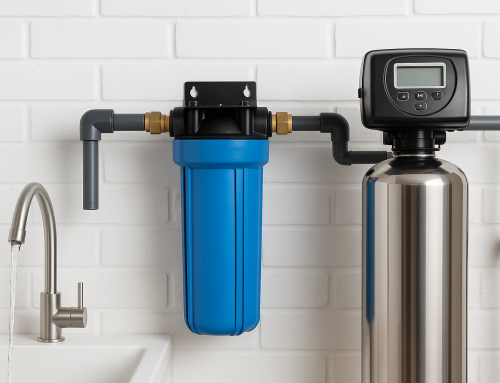
- Whole-House (Point-of-Entry): Treats all water entering the home, protecting showers, washing machines, and plumbing from contaminants and scale.
Common Filtration Technologies
- Activated Carbon: Excellent for removing chlorine, bad tastes, and many organic chemicals.
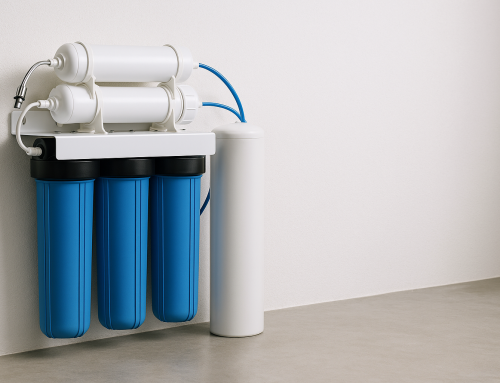
- Reverse Osmosis (RO): Provides high-level filtration by removing dissolved solids, salts, and many contaminants—ideal for drinking water quality.
- UV Disinfection: Kills bacteria and viruses without chemicals; often used in combination with other filters.
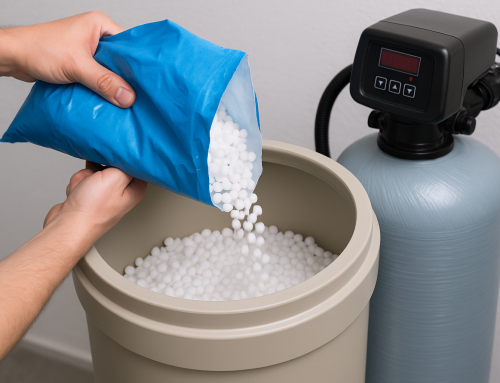
- Ion Exchange: Often used to soften water by removing calcium and magnesium that cause hardness.
Installation, Maintenance, and Choosing the Right System
Before purchasing, get your water tested to identify which contaminants are present and at what levels. This ensures you choose a system that targets the real issues (for example, lead vs. hardness vs. microbial concerns).
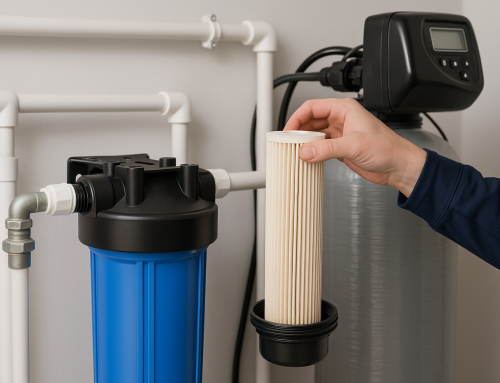
Maintenance varies by system: carbon filters need regular cartridge changes, RO systems require membrane and filter replacements, and whole-house units require periodic servicing. Regular maintenance preserves performance and extends the system’s life.
If you’re unsure which system fits your needs, consider scheduling a professional assessment. Reach out to Custom Filtration Systems for an appointment—they can test your water, recommend options, and handle installation and maintenance so your family gets safer, better-tasting water with minimal hassle.
How to Maximize the Value of Your System
- Follow the manufacturer’s maintenance schedule and replace filters on time.
- Keep records of water tests and filter changes to track performance improvements.
- Combine technologies when needed—for example, a whole-house carbon filter plus a point-of-use RO unit delivers both broad protection and excellent drinking water quality.
Conclusion
Home water filtration delivers clear benefits: improved health and taste, protection for appliances, reduced environmental impact, and potential long-term savings. A tailored approach—based on water testing and household needs—ensures you get the right system and the most value. For expert guidance and professional installation, reach out to Custom Filtration Systems to schedule an appointment and take the first step toward better water at home.