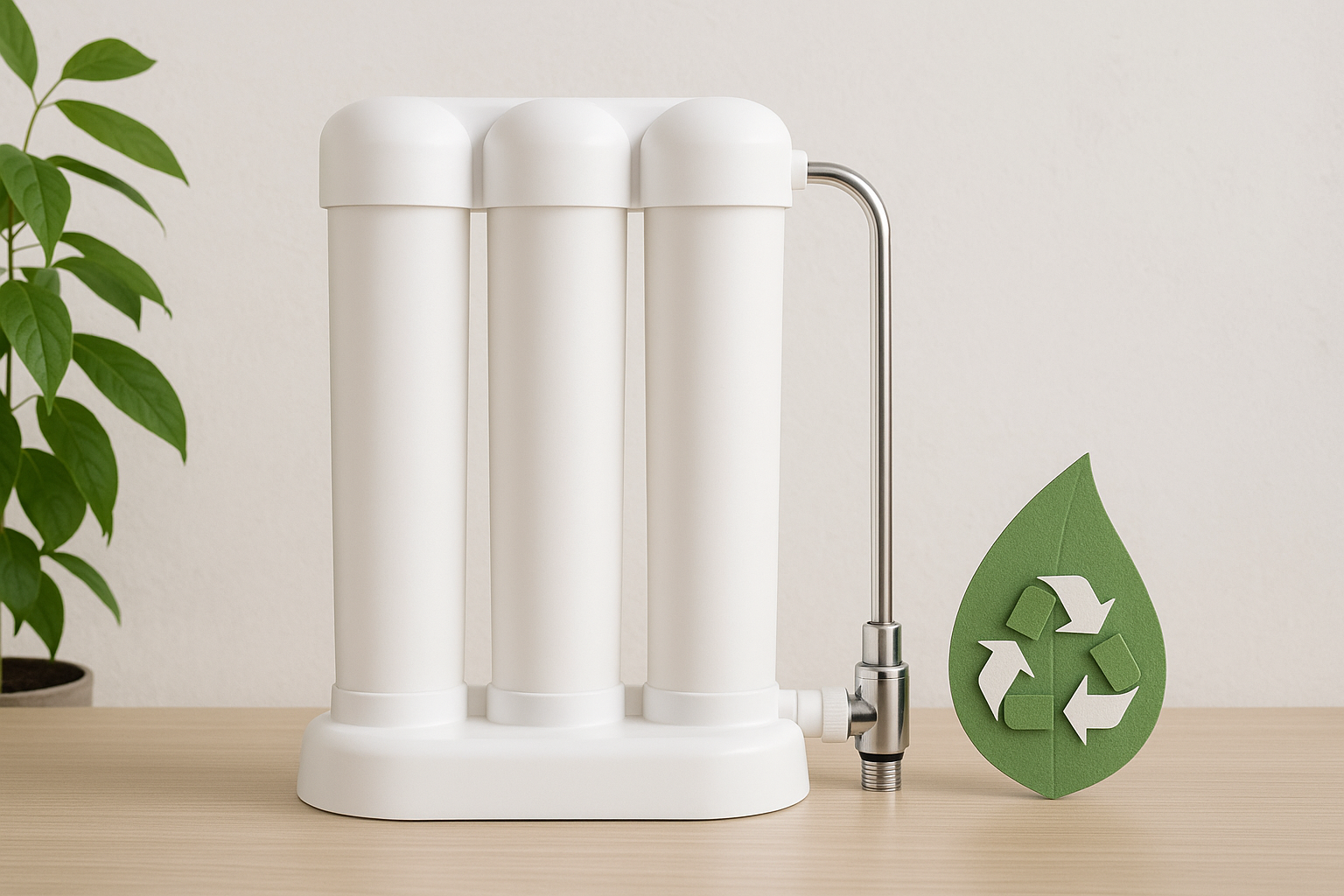
Introduction: Why Eco-Friendly Water Filtration Matters
Choosing an eco-friendly water filtration system is about more than clear-tasting water—it’s a commitment to reducing waste, conserving energy, and protecting natural resources. As concerns over plastic pollution, energy consumption, and chemical runoff grow, sustainable filtration options offer a practical way to reduce your environmental footprint without sacrificing water quality.
What Makes a Water Filtration System Eco-Friendly?
Not all filters are created equal. When evaluating systems, look for these green attributes:
Low-Waste and Long-Lasting Components
Filters that use reusable components or long-life cartridges reduce the frequency of replacement and the amount of waste sent to landfills. Systems that allow easy cartridge recycling or that use washable media (like ceramic elements) score high on sustainability.
Energy Efficiency
Some filtration types—especially those requiring pumps, heaters, or significant pressure—consume more energy. Choosing gravity-fed, passive, or low-power systems (or pairing systems with renewable energy sources like solar) lowers operational carbon footprint.
Low Chemical Use and Minimal Footprint
Eco-friendly systems avoid excessive chemical pretreatments and minimize water waste (important in processes like traditional reverse osmosis, which can waste multiple gallons per filtered gallon unless equipped with recovery technologies).
Types of Eco-Friendly Water Filtration Systems
Here are common filtration options and how they stack up environmentally.
Activated Carbon Filters
Activated carbon is effective at removing chlorine, organic compounds, and many tastes and odors. Carbon filters come in block or granular forms; replaceable cartridges vary in lifespan, but many are recyclable or available in long-life formats. They require no electricity and produce no wastewater.
Ceramic Filters
Ceramic filters are durable and often washable, making them a zero-waste option for households. They remove bacteria and particulates and can be combined with carbon or silver-impregnated layers for broader contaminant removal.
Modern Reverse Osmosis (RO) with Recovery Features
Traditional RO systems can waste significant water. Newer designs include permeate pumps, re-pressurization, or systems that divert reject water for non-potable uses (like irrigation), greatly improving sustainability while still removing dissolved solids and contaminants.
UV Purification (Solar-Compatible)
Ultraviolet purification disinfects water without chemicals. When paired with solar power or low-energy UV units, this method provides a sustainable way to eliminate microbes without adding wastes or byproducts.
Benefits of Going Eco-Friendly
Environmental Benefits
Less plastic waste, reduced energy consumption, and minimized wastewater protect ecosystems and conserve resources. Choosing greener systems supports broader sustainability goals at home and in the community.
Health, Cost, and Practical Advantages
Many eco-friendly systems maintain or improve water quality while often lowering long-term costs because of durable parts, fewer replacements, and reduced utility bills (when energy-efficient units are used).
How to Choose the Right System
Assess Your Water Quality
Start with a water test. Knowing which contaminants are present (hardness, heavy metals, microbes, chlorine, VOCs) will guide whether you need carbon, RO, UV, or a hybrid system.
Consider Certifications and Warranties
Look for NSF/ANSI certifications for contaminant reduction claims and check for manufacturers committed to recyclable cartridges, responsible disposal programs, and transparent lifecycle information.
Think About Installation, Maintenance, and Lifecycle
Installation size, routine maintenance needs, and how cartridge disposal is handled all affect sustainability. Systems with simple maintenance, clear recycling options, and accessible spare parts will perform better over time.
Installation and Maintenance Tips for Longevity
- Follow manufacturer maintenance schedules to preserve filter performance and lifespan.
- Choose systems with washable elements or long-life cartridges when possible.
- Recycle used cartridges where programs exist; inquire with manufacturers or local recycling centers.
- Pair filtration with water-saving practices—fix leaks, install aerators, and use graywater systems for waste reuse.
Making the Transition: Practical Next Steps
Start by testing your water and listing priorities: contaminant removal, budget, waste reduction, and energy use. Compare systems based on these criteria and ask suppliers about cartridge lifespans, recycling options, and energy consumption.
For professional guidance and a tailored recommendation, consider reaching out to Custom Filtration Systems to schedule an appointment. A specialist can evaluate your water, home plumbing, and sustainability goals to find the best eco-friendly solution.
Conclusion
Eco-friendly water filtration systems offer a win-win: they protect your family’s health while reducing environmental impact. By choosing durable materials, energy-efficient designs, and waste-conscious products—and by working with experts like Custom Filtration Systems—you can enjoy clean water that aligns with your sustainability values.