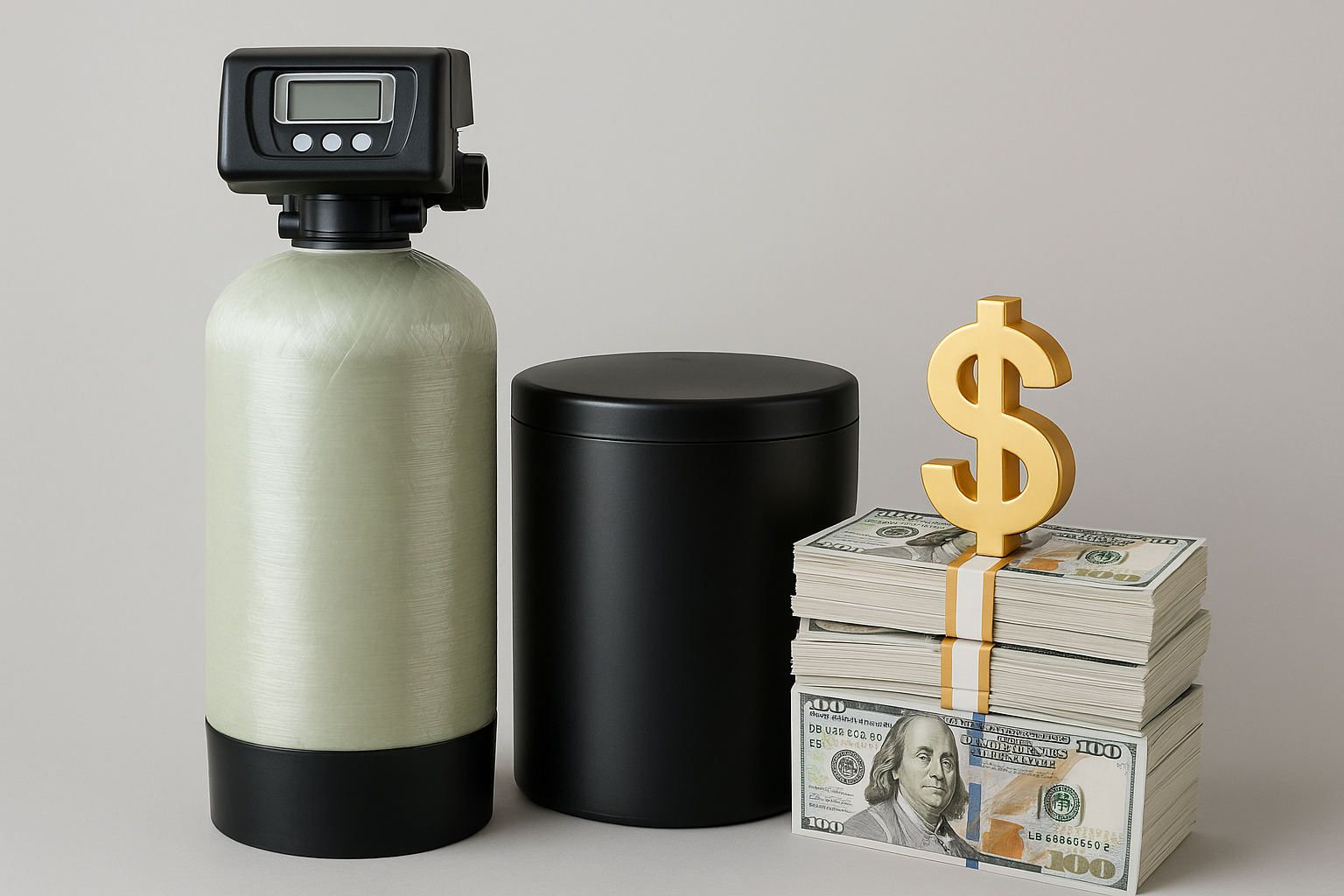
Understanding Water Hardness and Why Softeners Matter
Hard water contains minerals like calcium and magnesium that damage appliances, clog pipes, and leave spots on dishes. Installing a water softener not only protects your plumbing and extends the life of appliances but also improves soap performance and can make hair and skin feel softer. But how much does a water softener system cost? This guide breaks down the upfront price, ongoing expenses, and factors that influence total cost so you can make an informed decision.
Types of Water Softeners and Their Costs
Salt-Based Ion Exchange Softeners
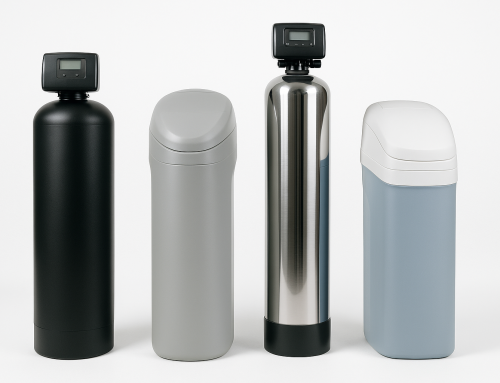
Salt-based systems are the most common and effective for removing hardness. They swap hardness minerals for sodium (or potassium) using resin beads. Prices generally range from $600 to $2,500 for the unit alone, depending on capacity and brand. Installation typically adds $200–$800.
Salt-Free and Conditioners
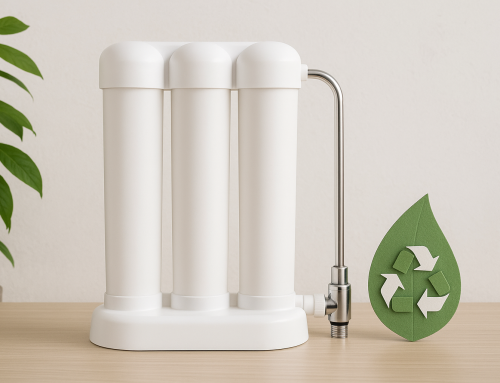
Salt-free systems use catalytic media or template-assisted crystallization (TAC) to reduce scaling without removing minerals. They’re lower-maintenance and better for people concerned about sodium intake. Unit costs usually range from $400 to $2,000, with installation often under $500.
Dual-Tank Systems
Dual-tank (or twin-tank) softeners provide continuous softened water because one tank regenerates while the other operates. They’re ideal for large households or commercial settings. Expect $1,500–$4,000 for the system plus installation, depending on size and automation features.
Magnetic and Electronic Descalers
These devices claim to reduce scale buildup by altering mineral behavior with magnets or electric fields. They’re the least expensive—typically $100–$700—but effectiveness varies widely based on water chemistry and flow conditions.
Factors That Affect the Cost
Water Hardness Level
The harder your water, the larger or more advanced the system you’ll need. High hardness requires more frequent regeneration and a larger resin tank, which increases unit and operating costs.
Household Size and Water Usage
More people and higher daily water use mean you’ll need higher-capacity systems. A 2–3 person household needs a smaller unit than a family of five or a home with multiple bathrooms and appliances.
System Capacity and Efficiency
Grain capacity (e.g., 24,000–80,000 grains) determines how much hardness a unit can handle before regenerating. High-efficiency models that use less salt and water cost more upfront but save on operating costs over time.
Installation Complexity
Simple straight-in installations are cheaper. Costs climb if you need plumbing modifications, bypass valves, new drain lines, electrical hookups, or remote placement (e.g., garage vs. basement).
Maintenance and Operating Costs
Factor in salt or potassium chloride, periodic resin replacement (rare, but possible after many years), and occasional service visits. Annual operating costs for salt-based systems typically range from $50–$200.
Brand, Warranty, and Additional Features
Reputable brands and extended warranties cost more but provide peace of mind. Control heads with smart meters, Wi-Fi monitoring, or eco modes increase price but can cut long-term expenses.
Typical Price Ranges (Including Installation)
- Basic salt-based softener: $800–$2,000 installed
- Mid-range salt-free or salt-based system: $1,200–$3,000 installed
- High-end or dual-tank systems: $2,500–$5,000+ installed
- Magnetic/electronic descalers: $150–$800 installed
These ranges are general estimates. Local labor rates, water testing, and any necessary plumbing work will affect the final bill.
DIY vs Professional Installation
DIY installation is possible for handy homeowners and can save on labor, but mistakes can void warranties or cause leaks. Professional installation ensures proper sizing, correct connections to drains and electrical (if needed), and calibration. For most homeowners, hiring a pro is the safer choice.
Choosing the Right System for Your Home
Start with a professional water test to determine hardness and potential contaminants. Consider household size, appliance protection goals, and whether salt use is a concern. Balance upfront cost with long-term operating expenses—sometimes spending more up front saves money over the life of the system.
How to Save Money on a Water Softener
- Buy a properly sized system rather than the largest available—oversizing wastes money.
- Choose an efficient control valve and high-grade resin to reduce salt and water use.
- Compare quotes from several installers and ask about package deals (unit + installation + warranty).
- Look for financing or promotional offers from reputable local dealers.
Conclusion
Water softener costs vary widely based on type, size, and installation complexity. Expect to invest anywhere from a few hundred to several thousand dollars, but remember that the right system can protect your plumbing, lower maintenance bills, and improve daily comfort. For a customized recommendation and a professional estimate, reach out to Custom Filtration Systems to schedule an appointment and get your water tested.