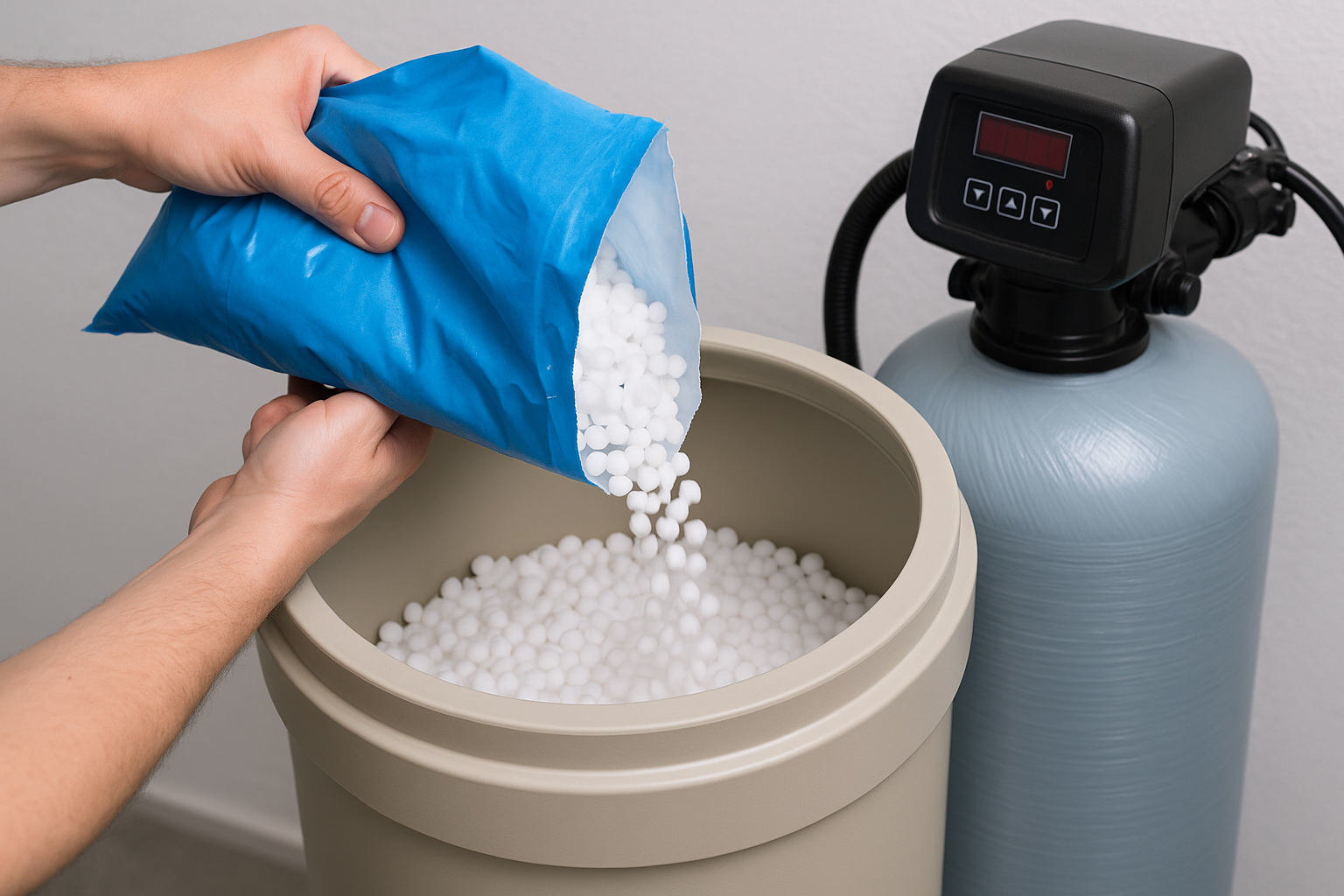
Why Salt Matters in Your Water Softener
Your water softener relies on salt to recharge the resin beads that remove hard minerals like calcium and magnesium. Without an adequate supply of salt, the unit can’t regenerate properly, which leads to hard water symptoms: scale buildup, cloudy dishes, reduced soap lather, and shorter appliance life. Understanding how often to replace water softener salt helps you keep your system running efficiently and protect your home’s plumbing and appliances.
How Often to Check and Refill Salt
General guideline
As a rule of thumb, most households should check the brine tank once a month. Many people need to add salt every 6 to 8 weeks, while smaller households or systems with larger salt capacity may only need refilling every 3 months. The exact interval varies based on several factors covered below.
Factors that affect frequency
- Household size and water use: More people and higher daily water use increase regeneration cycles and salt consumption.
- Water hardness level: The harder your water (measured in grains per gallon), the more often the softener must regenerate—and the more salt it uses.
- Softener capacity and model: Larger tanks and newer, more efficient models often consume less salt per gallon of softened water.
- Regeneration settings: Timed or meter-based regeneration schedules affect how frequently salt is consumed.
- Type of salt: Different salt types (pellets, solar, rock) have varying purities and dissolve rates, affecting how frequently you need to top up.
Common Signs You Need to Add Salt Now
Don’t wait for the tank to be empty—watch for these signs that your softener needs attention:
- Hard water symptoms return: Scale on faucets, spots on dishes, or reduced sudsing of soap are key indicators.
- Visible low salt level: If you can see the resin or notice a wide gap between salt and tank walls, it’s time to add more.
- Salt bridging: A hard crust or hollow cavity on top of the salt (a “bridge”) prevents salt from dissolving into the brine solution.
- Softener alert or light: Many modern systems have a low-salt indicator—respond when it lights up.
- Unusual regeneration behavior: More frequent cycles, or no regeneration at all, can signal salt-related problems.
How to Refill Salt: Step-by-Step
Choosing the right salt
Select high-purity salt for best performance. Evaporated salt pellets are often recommended because they contain fewer impurities and leave less residue in the tank. Solar salt is a cost-effective option, though it may introduce more insoluble matter. Avoid rock salt if you want to minimize buildup and maintenance.
Refill steps
- Turn off the softener’s regeneration if required by your owner’s manual.
- Open the brine tank lid and check for bridges—break them gently with a broom handle if present.
- Pour salt into the tank until it reaches the manufacturer-recommended level (typically a few inches below the fill line).
- Close the lid and run a manual regeneration if advised by your system instructions to ensure proper mixing.
Maintenance Tips to Keep Your Salt Lasting Longer
- Check monthly: A quick monthly glance prevents surprises and lets you spot bridges or unusual residue.
- Clean the brine tank annually: Sediment and insoluble salt can build up; cleaning helps prolong the life of your system.
- Use recommended salt types: High-purity evaporated pellets reduce sludge and frequency of cleaning.
- Avoid topping off: Adding salt before the old supply is mostly used can worsen bridging. Refill when salt is at about one-quarter to one-half full.
- Monitor water usage and settings: Adjust regeneration cycles if your household water use changes seasonally or after adding appliances.
When to Call a Professional
If you experience frequent salt bridging, unusually fast salt depletion, persistent hard water despite adequate salt, or mechanical issues with your valve or timer, it’s time to get expert help. A professional can inspect the system, perform a deep clean, check the resin health, and optimize settings for your water hardness and household needs.
For reliable service and appointments, reach out to Custom Filtration Systems. Their technicians can evaluate your softener, recommend the best salt type and maintenance schedule, and handle routine servicing to keep your system operating efficiently.
Conclusion
How often to replace water softener salt depends on household size, water hardness, softener capacity, and salt type. Check your brine tank monthly, watch for signs like returning hard water or salt bridges, and choose high-purity salt for fewer problems. When in doubt—or if you’re facing recurring issues—contact Custom Filtration Systems for an appointment to keep your water soft and your system running smoothly.