Understanding Hard Water and Why It Matters
Hard water contains high levels of calcium and magnesium. Over time these minerals cause scale buildup on pipes, fixtures, and appliances, reduce soap efficiency, and can leave spots on dishes and laundry. Choosing the right water softener improves water feel, protects plumbing and appliances, and can lower energy and detergent costs.
Types of Water Softener Systems
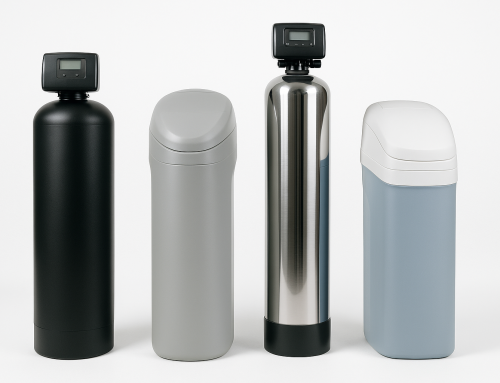
Not all softeners work the same. Knowing the main types helps you match a solution to your household needs.
Salt-Based Ion Exchange Softeners
The most common and effective option. These systems replace hardness minerals with sodium or potassium ions. Benefits include reliable hardness reduction and suitability for a wide range of hardness levels. Considerations include salt replenishment and occasional regeneration wastewater.
Salt-Free Conditioners
These systems use template-assisted crystallization or other processes to prevent minerals from adhering to surfaces rather than removing them. They reduce scale buildup and require less maintenance, but they don’t actually soften water in the traditional sense and may not be ideal for very hard water if you need complete removal.
Magnetic and Electronic Devices
Compact and low-maintenance, these claim to alter mineral behavior with magnetic or electronic fields. Results can be variable depending on water chemistry and flow. They’re low-cost to run but usually less consistent than ion exchange systems.
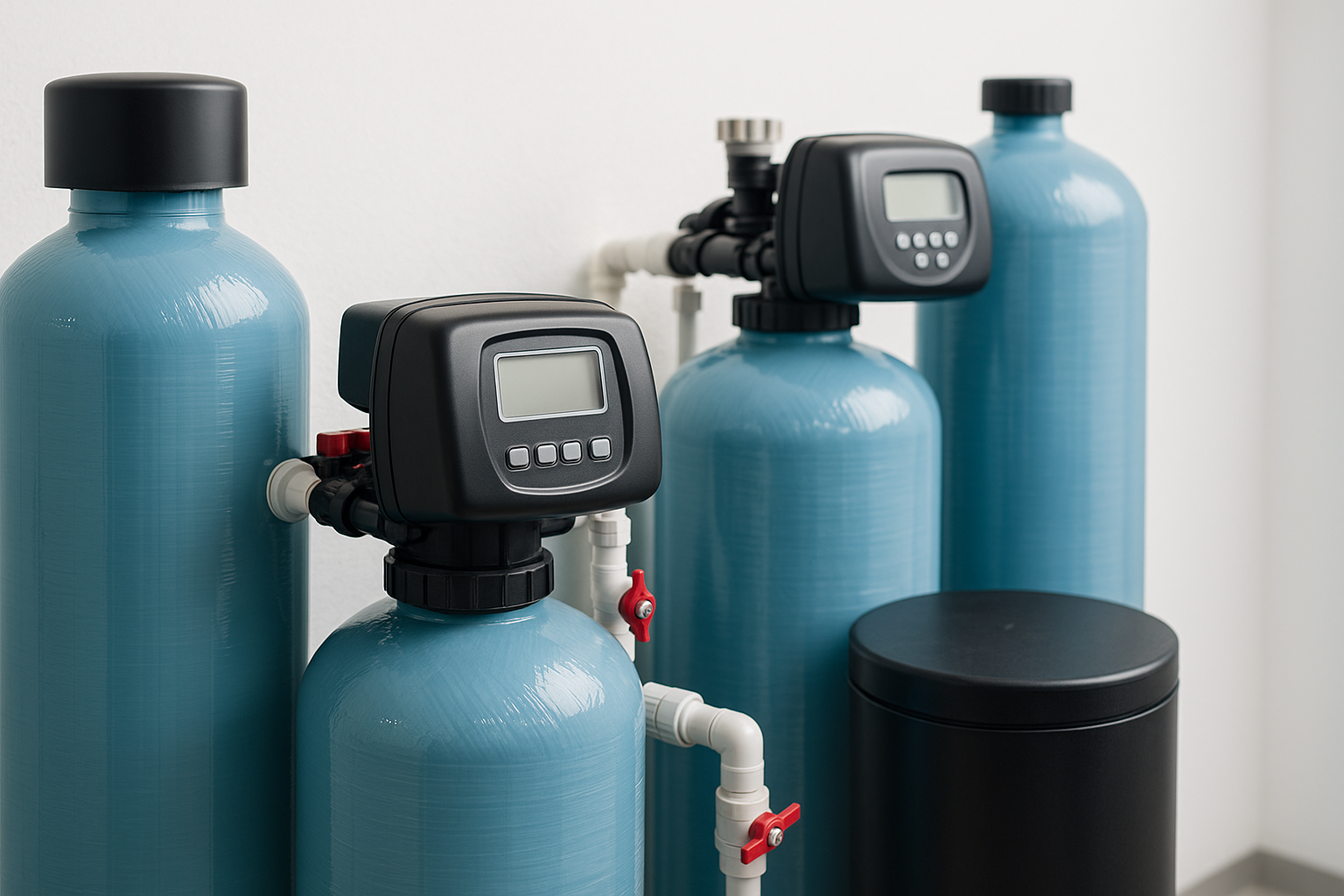
Dual-Tank (Twin Alternating) Softeners
Great for large households or applications with continuous high demand. One tank services the home while the other regenerates, offering uninterrupted soft water. They tend to be more expensive but provide continuous performance and efficiency.
Reverse Osmosis and Point-of-Use Systems
RO systems remove many dissolved solids and are ideal for drinking and cooking water. They’re not a whole-house softener solution but pair well with a softener to give both softened water and purified drinking water.
Sizing and Capacity: Match the Softener to Your Home
Sizing a system correctly is critical to performance and cost-effectiveness. Key factors:
- Household size and daily water use
- Grain capacity rating of the softener
- Grains per gallon (GPG) hardness level of your water
For example, a household of four with moderately hard water typically needs a 32,000 to 48,000 grain system. A larger family or very hard water may require a higher capacity or a dual-tank system.
Regeneration Methods
Regeneration restores the softening resin. There are two main control types:
- Timer-based: regenerates at set intervals regardless of use. Simpler but can waste water and salt.
- Demand-initiated regeneration (DIR): regenerates based on actual water usage. More efficient and commonly recommended.
Maintenance and Upkeep
Maintenance needs vary by system. Salt-based systems require periodic salt refills and occasional resin cleaning. Salt-free systems often need less frequent checks but benefit from annual inspections. Ask about service plans, how to check salt levels, and what warranty and replacement parts are included.
Costs and Budgeting
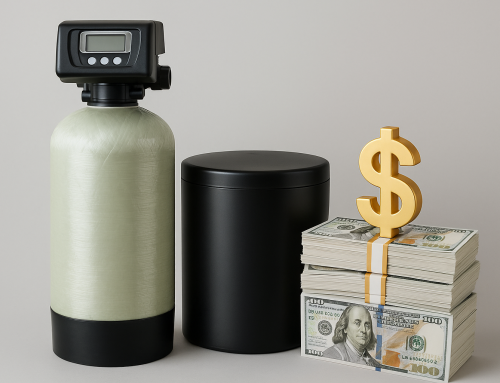
Costs include the initial unit and installation, ongoing salt or media costs, and periodic service. A basic ion exchange system and installation may cost less upfront than a high-capacity dual-tank unit, but efficiency and long-term savings on appliance life and energy should factor into decisions. Look at lifecycle cost, not just purchase price.
Installation, Certifications, and Local Considerations
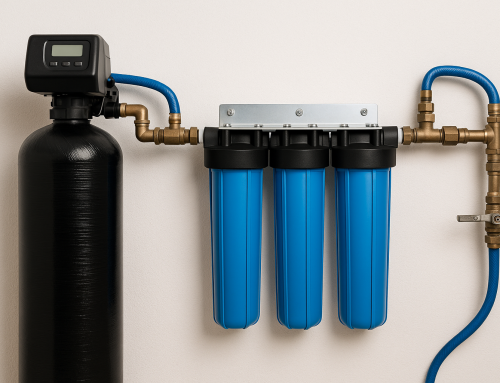
Professional installation ensures proper sizing, placement, and connection to your plumbing. Check for industry certifications like NSF/ANSI where applicable, and make sure the installer evaluates your water chemistry. Local water characteristics—such as iron content or high levels of total dissolved solids—can affect system choice and may require pre-treatment.
How to Choose the Right System for You
Start with a water test to determine hardness, iron, and other parameters. From there:
- Decide between whole-house softening and point-of-use solutions
- Choose the system type that balances performance, maintenance, and environmental concerns
- Size the system based on household water use and hardness
- Prefer demand-initiated regeneration for efficiency
- Consider warranties, service plans, and local installer reputation
Next Steps
Not sure which system fits your home? Schedule a water test and consultation. The right installer will review your water report, lifestyle needs, and budget to recommend a tailored solution. For personalized guidance and to set up an appointment, reach out to Custom Filtration Systems. Their team can test your water, explain options, and provide a no-obligation quote.
Conclusion
Choosing a water softener means balancing performance, maintenance, and cost while considering your household’s unique water profile. By testing your water, understanding the types of systems, and working with a qualified installer like Custom Filtration Systems, you can protect your plumbing, improve water quality, and enjoy smoother laundry and cleaner dishes for years to come.