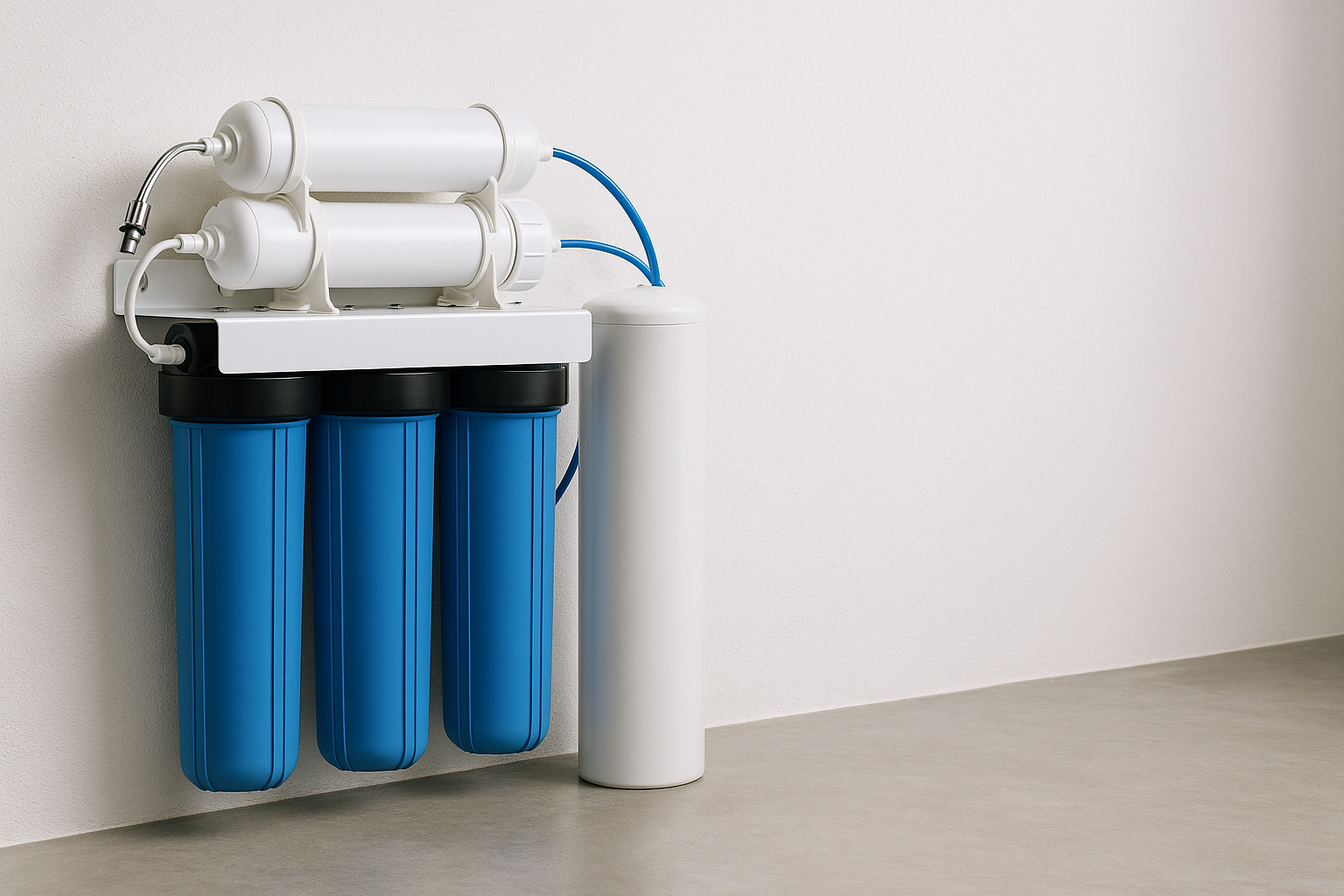
Clean water is one of the most important investments you can make for your home. If you’re considering a reverse osmosis whole house water filter, this guide walks you through how RO works, the benefits and trade-offs, installation considerations, and how to choose the right system for your family.
What Is a Reverse Osmosis Whole House Water Filter?
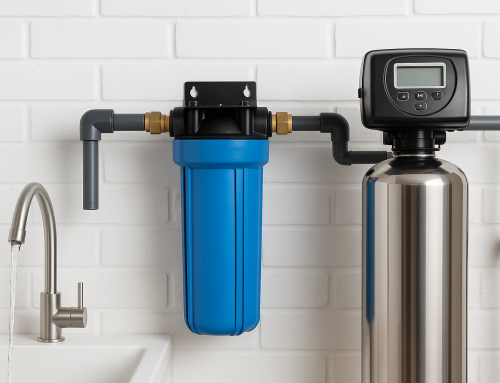
A reverse osmosis (RO) whole house water filter treats all the water entering your home—delivering filtered water to every faucet, shower, and appliance. Unlike point-of-use RO units (installed under a kitchen sink), whole-house RO systems are installed at the main water line so every outlet benefits from filtration.
How Reverse Osmosis Works
RO pushes water through a semi-permeable membrane under pressure. The membrane blocks dissolved solids, many salts, heavy metals, and a wide range of contaminants. Typical RO systems also include pre-filters (sediment and carbon) to protect the membrane and post-filters to polish taste.
Point-of-Use vs. Whole-House RO
Point-of-use RO is common for drinking water but doesn’t protect appliances, showers, or laundry. Whole-house RO treats all water but requires a larger system, more water pressure, and more space. Deciding between the two depends on your goals: drinking water only, or comprehensive home protection.
Benefits of a Whole House RO System
- Comprehensive contaminant reduction: RO removes many dissolved solids, chlorine byproducts, heavy metals, and certain pesticides.
- Improved taste and odor: Cleaner water can improve drinking water taste and reduce shower odors.
- Protects appliances and plumbing: Reduces scale and buildup that shorten the life of water heaters, dishwashers, and washing machines (depending on hardness management).
- Health and skin benefits: Softer, cleaner water can be gentler on skin and hair, especially for sensitive individuals.
- Whole-home peace of mind: You don’t need separate filters for different outlets—one system covers the house.
Considerations Before Installing
Whole-house RO is powerful, but it’s not a drop-in solution for every home. Consider these practical aspects before moving forward.
Water Pressure and Flow Rate
RO systems require adequate pressure to operate efficiently. Homes with low incoming pressure often need a booster pump. Also evaluate peak water usage: ensure the system’s flow rate supports simultaneous showers, washing machines, and other demands.
Pre-treatment and Water Softening
RO membranes can be damaged by high sediment, chlorine, or extreme hardness. Most whole-house setups include pre-filters (sediment and carbon) and sometimes a water softener or anti-scalant to extend membrane life.
Wastewater and Environmental Impact
RO produces a concentrate (brine) that carries removed contaminants to the drain. Traditional RO can waste several gallons for each gallon of purified water; modern systems and smart designs reduce waste significantly. Factor water usage and disposal into your decision.
Maintenance and Filter Replacement
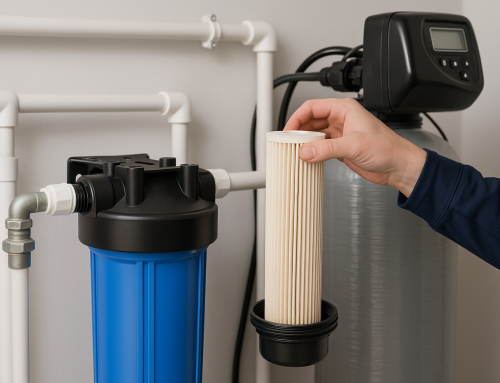
Membranes and filters need regular replacement—sediment and carbon filters more frequently, membranes less so. Budget for ongoing maintenance and choose a system with accessible local service or professional support.
Cost and Sizing
Whole-house RO systems range widely in cost based on capacity, features, and installation complexity. A proper site assessment helps determine the right size and expected ROI from appliance longevity and improved water quality.
Installation Process Overview
Installation typically includes a site assessment, mounting the pre-treatment, RO skid or membrane housings, storage tanks (if used), and plumbing to the main line. Electrical work may be needed for pumps and controls. Because of system complexity and plumbing permits, professional installation is highly recommended.
Why Professional Installation Matters
Correct sizing, pressure management, and proper pre-treatment are crucial. A pro can avoid common mistakes that reduce performance or shorten system life. For homeowners seeking expert help, reach out to Custom Filtration Systems to schedule an appointment and get a personalized assessment.
Common Questions and Quick Answers
Does RO remove beneficial minerals? Yes—RO removes many dissolved minerals. Some homeowners remineralize drinking water post-treatment for taste and mineral content.
Is RO water safe for drinking? Yes—properly maintained RO systems produce very safe, clean water suitable for drinking and cooking.
Can I water my plants with RO water? Most plants tolerate RO water, but some gardeners prefer blending RO-treated water with a small portion of untreated water to retain minerals.
How to Choose the Right System
Look for systems sized to your household flow needs, NSF certifications for contaminant reduction, reliable warranties, and a local service partner. Read reviews, compare lifecycle cost (installation + maintenance), and ask about water-waste ratios and options for waste reduction.
Conclusion
A reverse osmosis whole house water filter can dramatically improve water quality for your entire home, but it requires careful planning—consider pressure, pre-treatment, wastewater, and maintenance. If you’re ready to explore options or schedule an on-site assessment, reach out to Custom Filtration Systems to set up an appointment and get personalized recommendations.