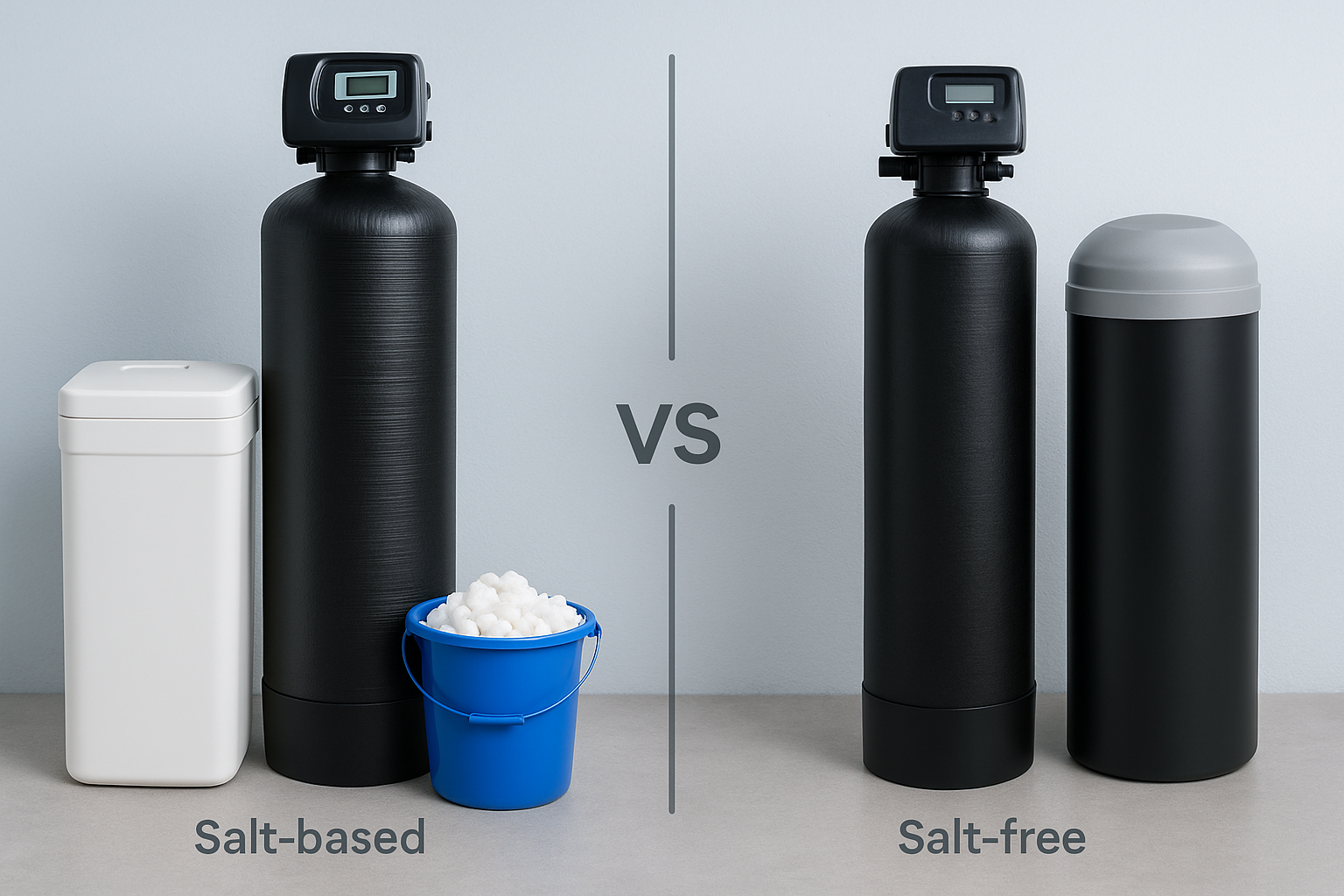
Understanding the Basics: Why Water Softeners Matter
Hard water — water high in calcium and magnesium — can lead to scale buildup, dull laundry, dry skin, and reduced appliance efficiency. Water softeners help address these issues, but not all systems work the same way. In this post we’ll compare salt-based vs salt-free water softeners so you can choose the right solution for your household.
How Each System Works
Salt-Based Water Softeners (Ion Exchange)
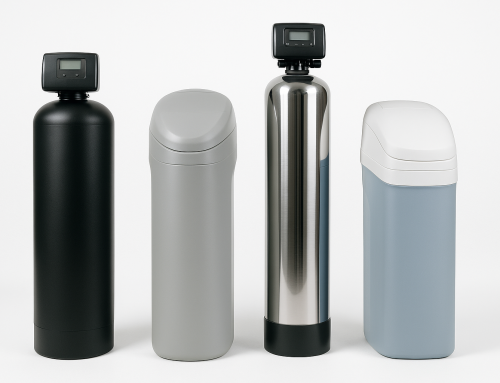
Salt-based systems use ion exchange: hard mineral ions (calcium and magnesium) are swapped for sodium or potassium ions inside a resin tank. Periodically the system regenerates by flushing the resin with a brine solution to restore its softening capacity.
Salt-Free Water Softeners (Conditioners)
Salt-free systems don’t remove minerals. Instead, they alter the structure of the minerals so they won’t adhere to surfaces and form scale. Common methods include template-assisted crystallization (TAC), electronic/magnetic descalers, and chelation. These systems are often called water conditioners rather than true softeners.
Pros and Cons: A Side-by-Side Comparison
Salt-Based Softener: Advantages
- Effectively removes hardness ions — results in noticeably softer water.
- Proven performance for protecting water-using appliances and plumbing from scale buildup.
- Improves soap lathering and laundry softness.
Salt-Based Softener: Disadvantages
- Requires regular salt refills and periodic maintenance.
- Produces brine discharge that may be restricted by local regulations or environmental concerns.
- Increases sodium (or potassium) in softened water — a consideration for low-sodium diets (potassium is an alternative but more expensive).
Salt-Free Softener: Advantages
- Low maintenance — no salt, no brine tank, and no backwash discharge.
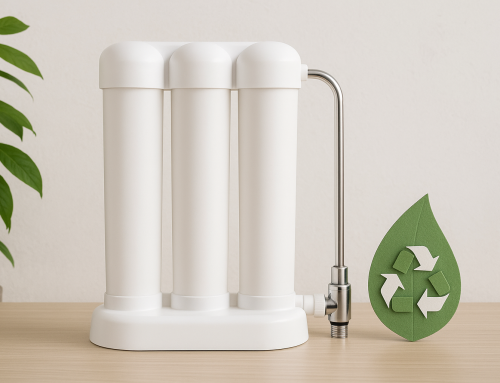
- Environmentally friendly since there’s no salt discharge into wastewater.
- Preserves beneficial minerals while reducing scale formation on fixtures and appliances.
Salt-Free Softener: Disadvantages
- Does not actually remove hardness ions — results vary depending on water chemistry and hardness levels.
- May be less effective for very hard water or for preventing all forms of scale in high-temperature applications.
- Some technologies (e.g., magnetic conditioners) have mixed evidence supporting effectiveness.
Cost, Maintenance, and Lifespan
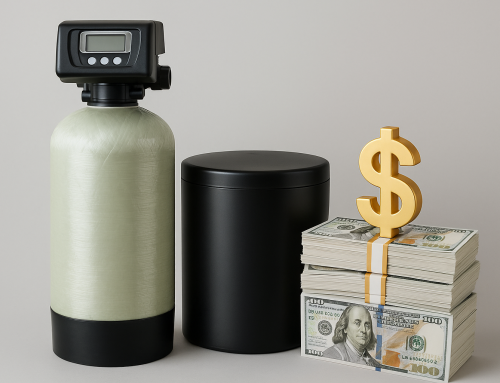
Upfront costs for salt-based systems are generally competitive with salt-free systems, but ongoing costs differ. Salt-based systems require continuous purchases of salt and occasional service for resin replacement or repairs. Salt-free systems often have lower operating costs and longer service intervals but may need periodic media replacement (TAC cartridges typically last 3–5 years).
Health, Environmental, and Regulatory Considerations
If municipal rules restrict brine discharge or if you’re on a low-sodium diet, salt-free or potassium-based systems become more attractive. Salt-based softeners add sodium to water (usually a small amount), which some people want to avoid. On the environmental side, the brine from salt-based systems can impact septic systems and municipal wastewater, prompting restrictions in some areas.
Which System Is Best for You?
Consider these factors when choosing:
- Water hardness level: Very hard water (over 10–12 grains per gallon) often benefits more from salt-based softening.
- Environmental regulations: Local restrictions on brine discharge may rule out salt-based systems.
- Maintenance preference: If you prefer a low-maintenance option, salt-free may be a better fit.
- Health concerns: If sodium in water is a concern, look at potassium alternatives or salt-free conditioners.
- Appliance protection: For peak protection of water heaters, dishwashers, and boilers, salt-based systems are often the most effective.
Installation and Sizing Tips
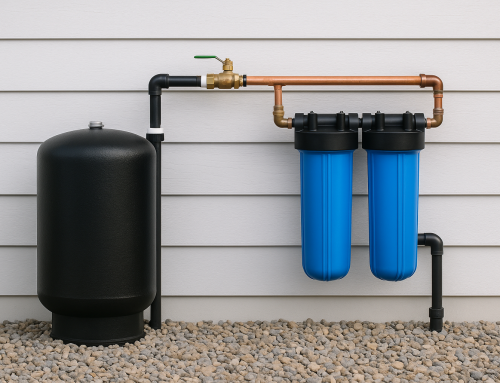
Correct sizing is crucial. A professional will test your water hardness and flow needs, then recommend an appropriately sized softener. Salt-based systems are sized by grain capacity; oversizing can lead to unnecessary cost, while undersizing will produce poor results. Salt-free systems are sized by flow rate and household water use. Proper installation ensures optimal performance and longevity.
Making the Decision
Both technologies have solid use cases. If you want the softest possible water for laundry, bathing, and scale prevention, a salt-based ion-exchange softener is typically the best choice. If you prefer a greener, lower-maintenance option and have moderate hardness, a salt-free conditioner may meet your needs.
Next Steps: Get Personalized Advice
Every home’s water chemistry and needs are different. For a tailored recommendation and professional installation, reach out to Custom Filtration Systems to schedule an appointment. Their experts can test your water, explain options, and help you choose the system that fits your budget and goals.
Conclusion
Choosing between a salt-based and salt-free water softener comes down to priorities: maximum softening and appliance protection (salt-based) versus low maintenance and environmental concerns (salt-free). Test your water, weigh the pros and cons, and consult a professional like Custom Filtration Systems to make the best decision for your home.