Introduction
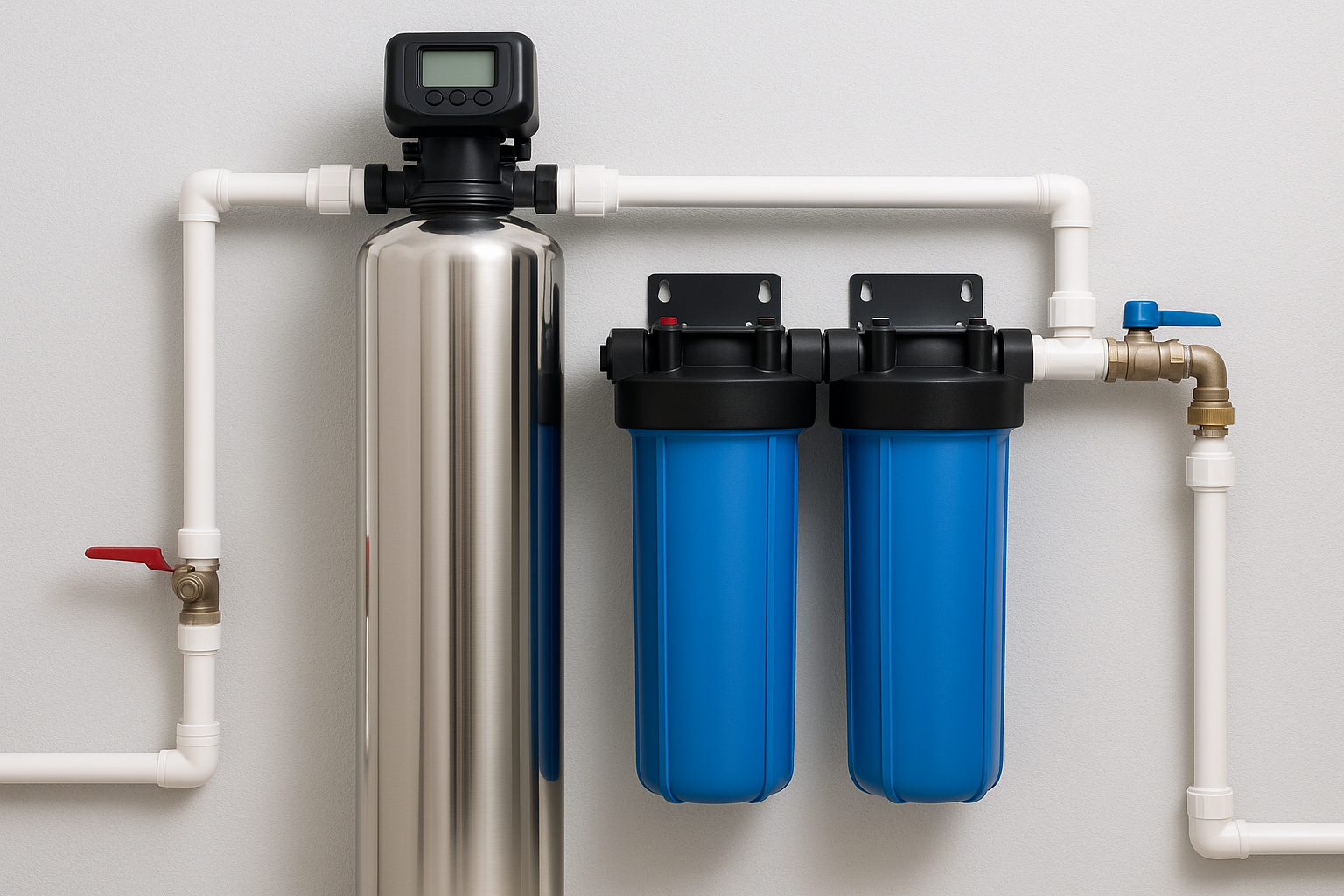
Choosing the right whole house water filter brand can feel overwhelming. With different technologies, certifications, flow rates, and maintenance needs, you want a system that matches your water quality, household size, and budget. This guide walks through top whole house water filter brands, what sets them apart, and how to pick the best option for your home.
Top Whole House Water Filter Brands to Consider
Aquasana
Aquasana is known for its comprehensive whole house systems that combine activated carbon with additional filtration stages to reduce chlorine, sediment, and many common contaminants. Their systems often focus on improving taste and odor while providing high flow rates suitable for large homes.
- Pros: Good contaminant reduction for municipal water, long filter life options, sleek designs.
- Cons: Can be pricier than basic filters; not all models target heavy sediment or iron-heavy well water.
- Best for: City water users seeking taste and chlorine removal with low to moderate maintenance.
APEC
APEC is widely respected for reverse osmosis and high-efficiency filtration. While they’re better known for under-sink RO systems, they offer whole home pre-filtration and multi-stage systems tailored to specific contaminants.
- Pros: High-quality components, strong contaminant removal in systems designed for specific needs.
- Cons: RO at the whole-house level is uncommon; some whole-house solutions focus more on specific filtration stages rather than comprehensive multi-contaminant removal.
- Best for: Homeowners wanting reliable brand reputation and modular systems.
Home Master
Home Master offers whole house systems that address sediment, chlorine, and sometimes iron. Their designs emphasize easy maintenance with larger filter housings and quick-change cartridges.
- Pros: User-friendly maintenance, strong sediment handling, competitive pricing.
- Cons: May require additional stages for complete contaminant removal in some regions.
- Best for: Homes with well water or heavy sediment issues that need robust pre-filtration.
Culligan
Culligan is a long-established brand with local dealers and comprehensive service programs. They provide whole house filtration, softeners, and hybrid solutions with professional installation and routine service agreements.
- Pros: Local support, professional testing and installation, customizable setups.
- Cons: Higher upfront and service costs for dealer-installed systems.
- Best for: Homeowners who want professional service and white-glove installation.
Pentair and Fleck
Pentair and Fleck systems are known for durable components and reliable water softening and filtration controls. Fleck controllers paired with Pentair media tanks form solid whole house configurations for sediment, chlorine, and scale control.
- Pros: Robust hardware, flexible media choices, excellent for scale and sediment control.
- Cons: Often requires professional configuration and specific media selection based on water tests.
- Best for: Homes needing a reliable, long-lasting mechanical system with customizable media.
Key Features to Compare
Filtration Technology
Look for systems that match your contaminants: activated carbon for chlorine and VOCs, catalytic carbon for chloramines, KDF for heavy metals, and specialty media for iron or hydrogen sulfide. Reverse osmosis is best for dissolved solids but is typically used at point-of-use rather than whole-house.
Flow Rate and Capacity
Whole house filters must maintain adequate flow for showers, appliances, and multiple users. Check the system’s gallons-per-minute rating and service life in gallons to ensure it fits your household demand.
Certifications and Testing
NSF/ANSI certifications and third-party testing give confidence in performance claims. Always review which contaminants are covered by testing.
Maintenance and Warranty
Consider filter replacement intervals, ease of cartridge changes, and warranty length. Some brands include professional maintenance plans that simplify upkeep.
Installation, Maintenance, and Cost Considerations
Installation ranges from DIY-friendly spin-on systems to complex multi-stage setups requiring a plumber. Budget not only for the initial unit and installation but also replacement filters and periodic service. Factor in potential savings on appliances and plumbing repairs when water quality improves.
How to Choose the Right Brand for Your Home
- Test your water first—know which contaminants you need to address.
- Match the brand and model to your water profile, flow needs, and budget.
- Compare certifications, maintenance frequency, and total cost of ownership.
- Consider local support and installation services—these can make a big difference long-term.
Conclusion
Selecting the best whole house water filter brand comes down to understanding your water, balancing performance with maintenance, and choosing a trusted provider. For personalized recommendations and to schedule a professional assessment, reach out to Custom Filtration Systems to set up an appointment. Their team can test your water, recommend the best brand and configuration, and handle installation so you get clean, reliable water throughout your home.