Introduction
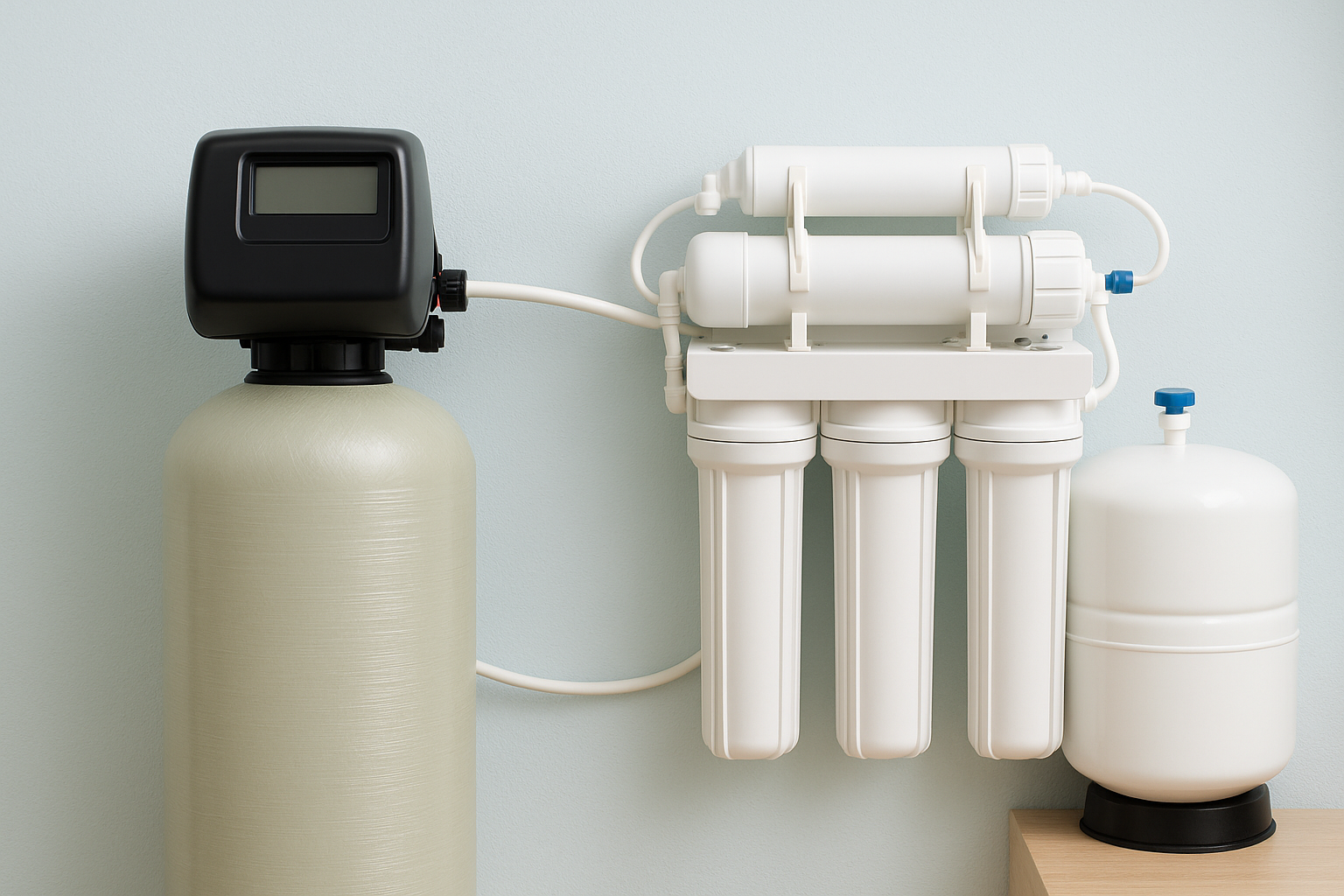
Combining a water softener system with reverse osmosis (RO) gives homeowners two complementary layers of protection: softened water for your whole house and purified, great-tasting water at the tap. If you’re dealing with hard water and want the best drinking water quality, this pairing is often the ideal solution. This guide explains how each system works, the benefits of using them together, what to consider before installing, and practical tips for maintenance.
How Each System Works
Water Softeners: The Basics
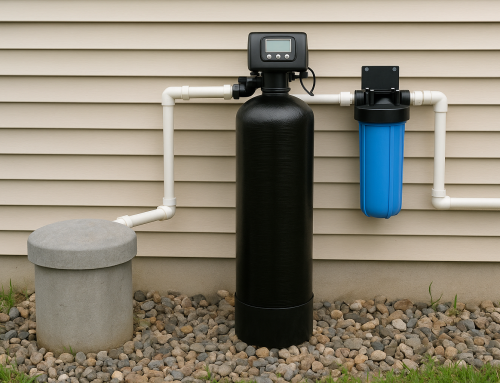
Water softeners use an ion exchange process to remove hardness minerals—primarily calcium and magnesium—that cause scale buildup. Hard water can lead to clogged pipes, reduced appliance efficiency, soap scum, and dull-looking laundry. A typical softener swaps hardness ions for sodium or potassium ions within a resin bed, periodically regenerating with salt to maintain performance.
Reverse Osmosis: Purifying at the Tap
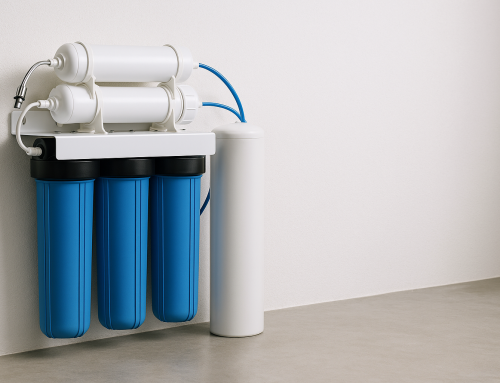
Reverse osmosis is a membrane-based filtration method that removes dissolved solids, contaminants, and many chemicals from water. An RO system forces water through a semipermeable membrane, rejecting particles like lead, arsenic, nitrates, and much of the total dissolved solids (TDS). Because RO systems are installed at a single point—usually the kitchen sink—they’re ideal for drinking and cooking water.
Why Combine a Water Softener with Reverse Osmosis?
Using a water softener before an RO system enhances the performance and lifespan of both systems. Here’s why they work so well together:
Protects the RO Membrane
Hard water minerals can precipitate and foul RO membranes, reducing flow and increasing the need for maintenance. Softening pretreats the water by removing scale-forming minerals, helping the membrane operate more efficiently and last longer.
Better Tasting, Cleaner Water
Softened water feels silkier and reduces soap scum and scale in showers and on fixtures. RO-treated water delivers superior taste and clarity for drinking and cooking. Together, they give you both whole-house comfort and high-quality drinking water.
Improved Appliance Longevity and Efficiency
Softened water reduces scale build-up in water heaters, dishwashers, and coffee makers, which improves energy efficiency and reduces repairs. Coupled with RO where needed, you avoid issues from both hardness and chemical contaminants.
Considerations Before Installing
Start with a Water Test
A comprehensive water test is the first step. It identifies hardness levels, TDS, pH, and any contaminants that require targeted treatment. Test results help determine the right softener size, RO system type, and any additional pretreatment (like sediment or carbon filters).
Sizing, Space, and Flow Rates
Whole-house softeners must be sized by household water usage and hardness levels. RO systems need adequate water pressure and space under the sink or in a utility area. Consider flow rates and recovery rates: RO systems produce purified water more slowly than a whole-house system delivers softened water.
Maintenance and Operating Costs
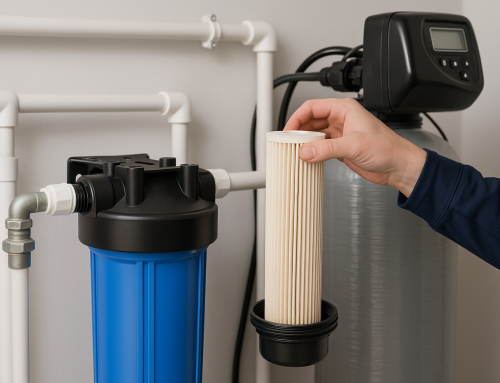
Both systems require regular maintenance. Softeners need salt replenishment and occasional resin service; RO systems require periodic filter and membrane changes. Factor in salt, filter replacements, and potential water waste from RO (modern systems are more efficient, and permeate pumps can reduce wastewater).
Installation and Maintenance Tips
Professional vs. DIY Installation
For accurate sizing, proper pretreatment, and a reliable installation, hiring a professional is usually the best route. A pro can ensure correct plumbing connections, proper drain and pressure setups for RO, and compliance with local codes. If you prefer DIY, follow manufacturer instructions carefully and consider a baseline water test from a certified lab.
Maintenance Schedule
- Water softener: Check salt monthly and regenerate as recommended; service resin every few years or as needed.
- Reverse osmosis: Replace pre-filters every 6–12 months, RO membrane every 2–4 years (depending on feed water), and sanitize the system annually.
- Regularly monitor water quality: Keep an eye on taste, flow rate, and hardness/TDS using home kits or professional testing.
Is This Combination Right for Your Home?
If you have hard water and want the cleanest possible drinking water, pairing a water softener with reverse osmosis is often the most effective solution. It addresses both the nuisance and damage of hardness and the health and taste concerns from contaminants.
Conclusion
Combining a water softener system with reverse osmosis gives you the best of both worlds: whole-house protection against scale and high-quality, purified water at the tap. For personalized recommendations, accurate water testing, and professional installation, reach out to Custom Filtration Systems to schedule an appointment. Their team can assess your water, recommend the right system combination, and handle installation and maintenance so you can enjoy softer, cleaner water worry-free.