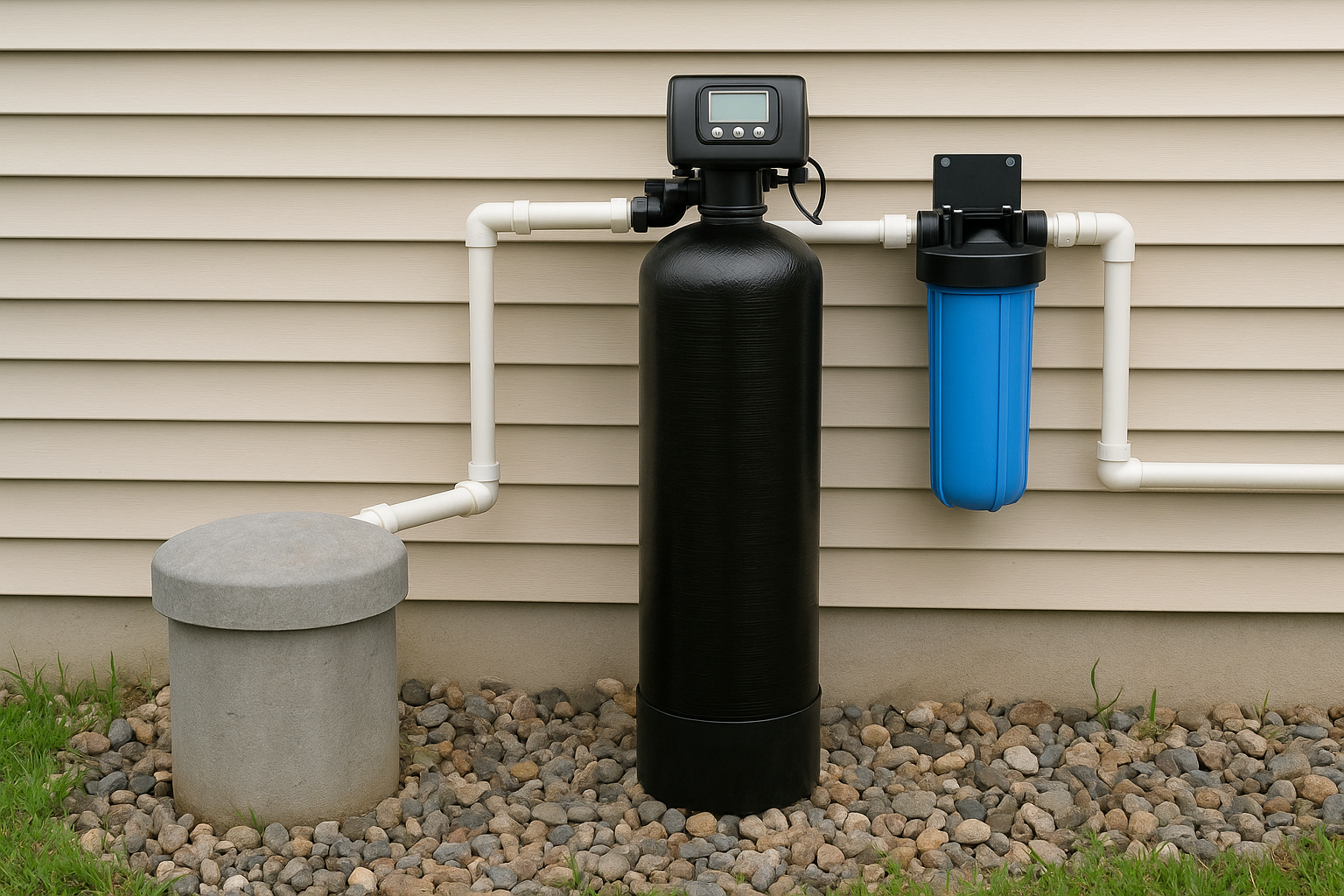
Understanding Hard Water in Well Systems
Hard water is a common issue for homeowners who rely on well water. It’s caused primarily by dissolved minerals—most often calcium and magnesium—that your well picks up as water moves through soil and rock. While hard water isn’t harmful to drink, it can cause scale buildup, reduce appliance efficiency, leave soap scum, and affect the taste of water.
What “hard water” really means
Hardness is measured in grains per gallon (gpg) or milligrams per liter (ppm). Levels above 7 gpg (120 ppm) are typically considered hard and will start to produce noticeable problems like scale on pipes and fixtures.
Common contaminants associated with hard wells
- Calcium and magnesium (primary causes of hardness)
- Iron and manganese (can stain and worsen taste/odor)
- Sediment and turbidity (sand or silt from the aquifer)
- Occasional bacteria or nitrates (require specific treatment)
Types of Filtration and Conditioning Systems for Hard Well Water
Addressing hard water often requires a combination of technologies tailored to your well’s specific water chemistry.
Ion-exchange water softeners
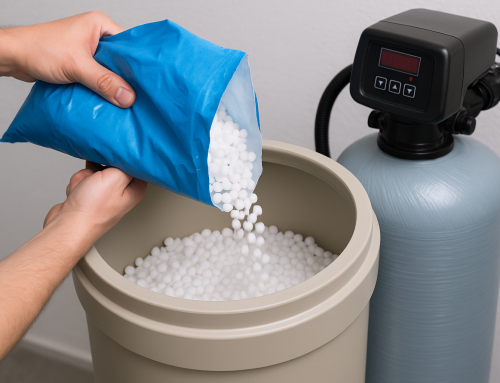
Traditional ion-exchange softeners swap hardness ions (calcium and magnesium) for sodium or potassium ions. They’re very effective at preventing scale and are the most common solution for residential hard water. Consider a unit sized for your household flow and hardness level.
Salt-free conditioners (template-assisted crystallization and others)
Salt-free systems don’t remove hardness minerals but condition them to prevent scale formation. They’re low-maintenance, don’t require salt, and are ideal where salt discharge is a concern or for homes on water-restricted lots. Effectiveness varies with water chemistry and temperature.
Reverse osmosis (RO)
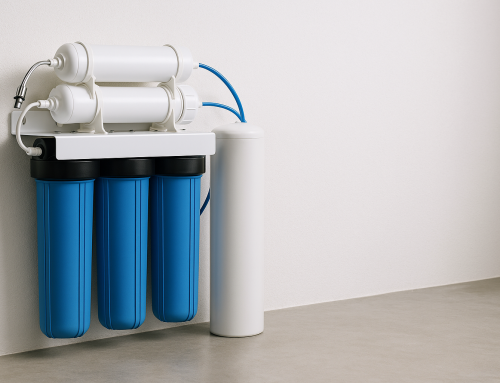
RO systems provide high-quality drinking water by removing dissolved solids, including some hardness minerals, at a point-of-use (typically under the kitchen sink). They’re not practical for whole-house hardness control due to waste water and lower flow rates, but excellent for drinking and cooking water.
Oxidation and filtration for iron and manganese
Wells with iron or manganese often need oxidizing filters (air injection, chlorine, or potassium permanganate) followed by media filters (greensand, catalytic carbon) to remove precipitated particles. These systems are frequently paired with softeners or conditioners.
How to Choose the Right System
Start with a professional water test
Testing your well water is the first step. A comprehensive test will measure hardness, iron, manganese, pH, total dissolved solids (TDS), and potential bacterial contamination. Results guide the right combination of treatments.
Consider flow rate and household needs
Whole-home systems must handle peak flow rates (showers, laundry, dishwasher). Choose equipment rated for your peak gallons-per-minute (GPM) demand and estimated daily usage.
Evaluate maintenance and operating costs
Ion-exchange softeners require salt and periodic resin regeneration. Salt-free units have lower ongoing costs but may require cartridge changes. Factor in electricity, media replacements, and any pretreatment needs like sediment filters.
Installation and Maintenance Tips
Professional installation vs. DIY
Professional installation ensures correct sizing, proper bypass plumbing, and compliance with local codes—especially when dealing with well pumps, pressure tanks, or chemical feeders. For complicated water chemistries (iron plus high hardness), a pro can design a reliable multi-stage system.
Routine upkeep
- Check salt levels monthly (for ion-exchange systems)
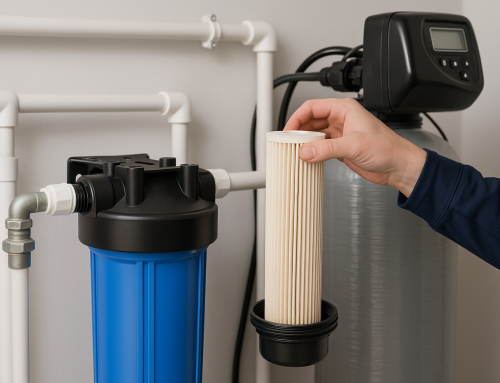
- Replace sediment and carbon filters per manufacturer recommendations
- Sanitize tanks and components when required
- Schedule annual inspections to catch wear and maintain efficiency
Cost Considerations and Long-Term Value
Upfront costs vary: a basic whole-house softener can be a few hundred to a few thousand dollars installed depending on capacity and features. Salt-free or conditioning systems can be comparable, while RO units for drinking water are less expensive per point-of-use. Consider long-term savings: reduced scale extends the life of water heaters, dishwashers, and plumbing, and improves soap and detergent performance.
Choosing a Local Partner
Working with an experienced, local filtration company can simplify the process. They’ll perform accurate testing, recommend a tailored solution, and provide timely service and maintenance. If you’re ready to evaluate your well water and discuss options, reach out to Custom Filtration Systems to schedule an appointment—our team can help you choose the right system for your home and lifestyle.
Conclusion
Treating hard well water improves comfort, protects appliances, and enhances water quality. Start with a comprehensive water test, weigh system types against your needs, and partner with a professional for installation and maintenance. For personalized advice and to book an appointment, contact Custom Filtration Systems today.