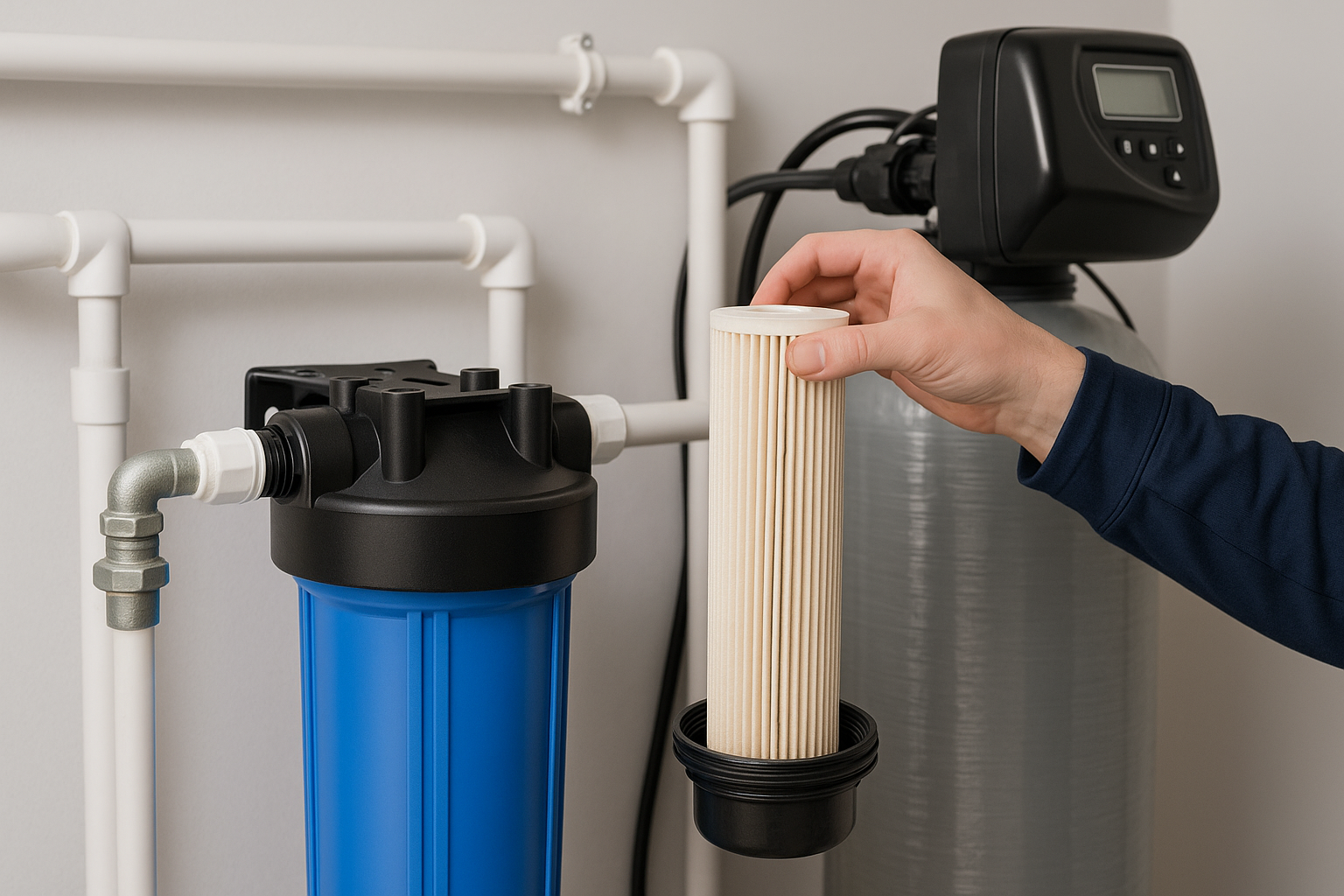
Why whole home water filter maintenance matters
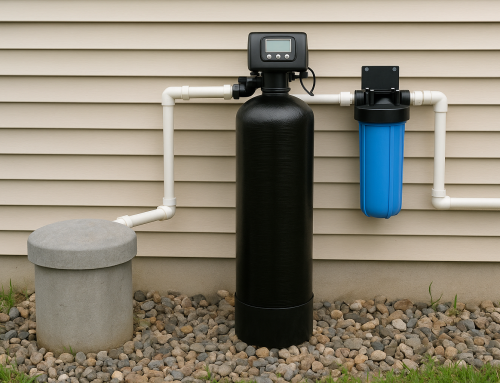
Your whole home water filter protects every faucet, appliance, and pipe from sediment, chlorine, and other contaminants. Regular maintenance not only preserves water taste and smell, it extends the life of your filtration system and prevents costly plumbing repairs. Neglecting upkeep can reduce flow, strain household appliances, and allow contaminants to pass through — so a consistent maintenance plan pays off.
Understand your system
Before any maintenance, know what type of system you have. Each requires slightly different care.
Common system types
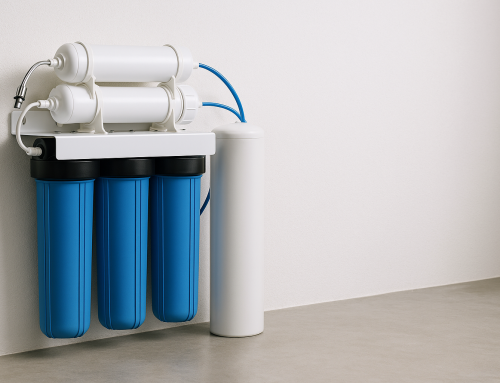
- Sediment/cartridge filters: One of the most common systems. They use replaceable cartridges that trap particulates.
- Activated carbon filters: Reduce chlorine, odors, and some organic compounds; cartridges need periodic replacement.
- Backwashing filters: Designed to be cleaned by reversing flow; require scheduled backwashes and media replacement.
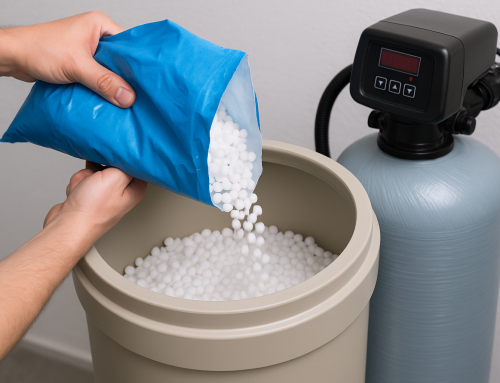
- Water softeners and combined systems: Often integrate resin or media tanks that need regeneration and salt/refill checks.
- UV and specialty systems: UV lamps need bulb replacement and sleeve cleaning on a scheduled basis.
Routine maintenance checklist
Use this practical checklist to keep your system in top shape. Frequency notes are general — follow your manufacturer’s recommendations.
Weekly to monthly tasks
- Visually inspect housings, valves, and connections for leaks or corrosion.
- Check water pressure and flow. A sudden drop often signals a clogged cartridge.
- Monitor water clarity and taste; any changes can indicate filter exhaustion or contamination.
Every 3–6 months
- Replace sediment and carbon cartridges. Homes with higher sediment loads may need more frequent changes.
- Flush or backwash systems that support it to remove trapped debris and restore flow.
Annually
- Inspect and sanitize housings, O-rings, and fittings. Replace worn O-rings and lubricate with food-grade silicone where recommended.
- Replace UV bulbs and clean quartz sleeves if your system includes UV disinfection.
- Have a professional check the system for wear, media condition, and plumbing integration.
Step-by-step: replacing cartridges and cleaning housings
Cartridge replacement is straightforward but requires care.
- Turn off the water supply to the filter and relieve pressure by opening a nearby faucet.
- Unscrew the housing using a wrench or the provided tool; protect plastic housings from cracking by using two hands and steady pressure.
- Remove the old cartridge and discard according to local regulations.
- Clean the housing with mild soap and warm water — avoid harsh solvents. Inspect and replace the O-ring if cracked or flattened.
- Lubricate the O-ring lightly with food-grade silicone grease and reseat it carefully.
- Install the new cartridge, reassemble the housing, and slowly turn the water back on, checking for leaks.
Sanitizing your system
Sanitizing is especially important after cartridge changes, repairs, or if you notice bacterial growth (biofilm). Use a manufacturer-approved sanitizer or a diluted bleach solution following the recommended contact time, then flush thoroughly until no chlorine smell remains. If you’re unsure about the proper procedure for your unit, get professional help.
Troubleshooting common issues
- Low flow: Check for clogged cartridges, blocked inlets, or closed valves. Replace cartridges and clean prefilters.
- Leaks: Inspect O-rings, housing cracks, and fitting connections. Tighten or replace components as needed.
- Bad taste or odor: Replace carbon filters and sanitize the system if the problem persists.
- Frequent cartridge clogging: Consider a coarser sediment prefilter upstream or shorten cartridge replacement intervals.
Tips to prolong filter life
- Install a prefilter for homes with high sediment to protect primary cartridges.
- Keep an eye on municipal water advisories — contamination events may require extra maintenance.
- Label housings with the next replacement date to avoid guesswork.
- Maintain consistent water pressure; extremes can stress housings and fittings.
When to call a professional
Some maintenance tasks are best handled by a professional — especially repairs, media replacement, system upgrades, and any work involving electrical components (like UV systems). If you detect persistent leaks, unusual noises, or significant drops in water quality, reach out to Custom Filtration Systems for an appointment. A pro can perform a thorough inspection, test water quality, and ensure your system is optimized for your home.
Conclusion
Regular whole home water filter maintenance protects your family, appliances, and investment. A simple schedule of inspections, timely cartridge changes, and proper sanitizing keeps performance high and problems rare. For expert service and to schedule an appointment, reach out to Custom Filtration Systems — professional care makes maintenance easy and reliable.