Why Whole House Well Water Filtration Matters
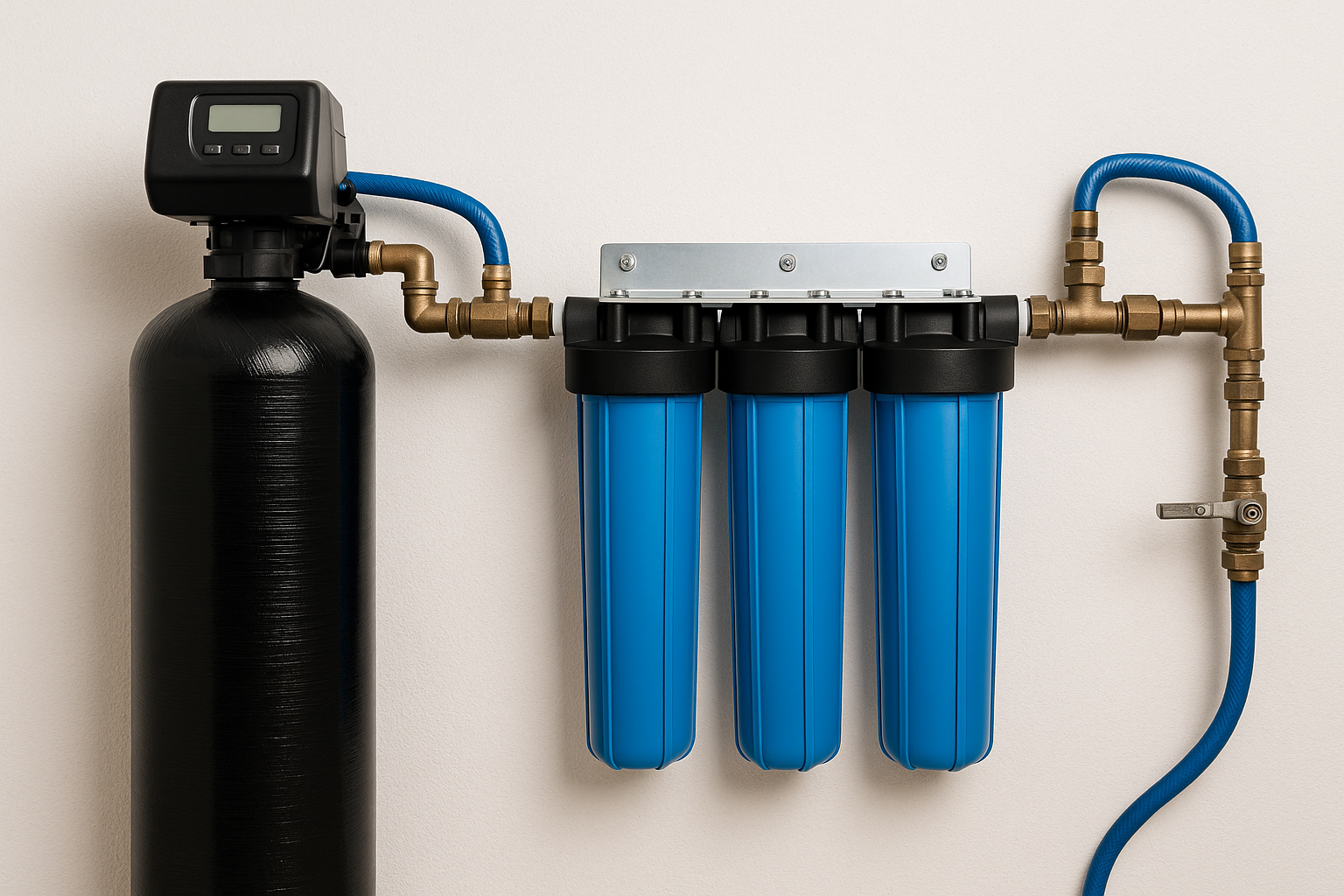
If your home draws water from a private well, the quality of that water directly affects every faucet, appliance, and person in the house. Whole house well water filtration systems (also called point-of-entry systems) treat water at the point it enters your plumbing, ensuring safe, clean water for drinking, bathing, cooking, and laundry. Unlike point-of-use filters that only protect a single tap, whole-house systems provide consistent protection for the entire home.
Common Contaminants in Well Water
Well water can contain a variety of contaminants depending on local geology, agricultural practices, septic systems, and industrial activity. Common issues include:
- Bacteria and viruses: Coliform bacteria, E. coli, and other pathogens can enter wells through surface runoff or damaged casings.
- Hardness minerals: Calcium and magnesium cause scale buildup in pipes and appliances.
- Iron and manganese: These can stain fixtures, leave metallic tastes, and clog plumbing.
- Hydrogen sulfide: Responsible for a rotten-egg odor in water.
- Sediment and turbidity: Sand, silt, and organic matter that make water cloudy and abrasive.
- Nitrates and chemicals: From fertilizers and industrial sources; especially concerning for infants and pregnant women.
Types of Whole House Well Water Filtration Systems
Choosing the right system depends on what’s found in your water test. Here are the most common options:
1. Sediment Filters
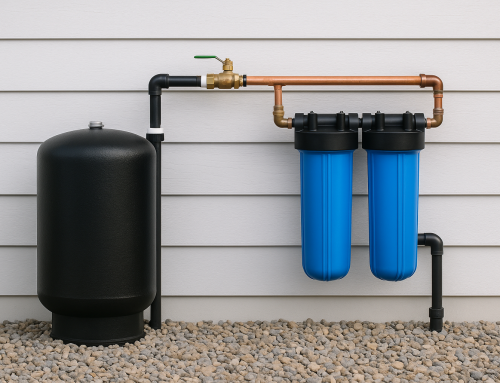
Sediment filters remove sand, silt, and rust particles to protect plumbing and downstream treatment equipment. They’re typically the first stage in a multi-stage system.
2. Activated Carbon Filters
Carbon filters reduce chlorine (if present), volatile organic compounds (VOCs), tastes, and odors. For many homeowners, carbon is an essential component to improve drinking water flavor and remove chemical contaminants.
3. Water Softeners
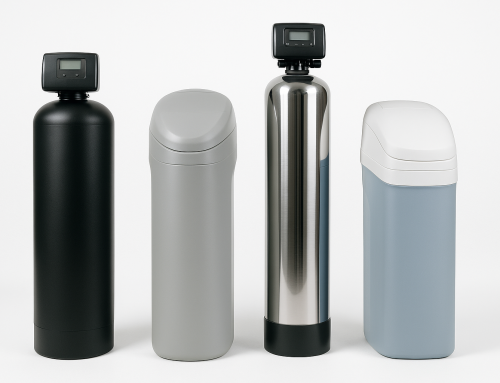
Ion-exchange water softeners remove hardness minerals (calcium and magnesium) to prevent scale buildup. Softening improves soap performance and extends the life of appliances.
4. Iron and Manganese Removal
Specialized filters oxidize and filter out iron and manganese. Options include air injection, greensand, and catalytic carbon systems depending on concentration and water chemistry.
5. Ultraviolet (UV) Disinfection
UV systems inactivate bacteria and viruses without chemicals. For microbiological safety, UV purifiers are often paired with pre-filtration to remove turbidity that can shield microbes from UV exposure.
6. Reverse Osmosis + Point-of-Use
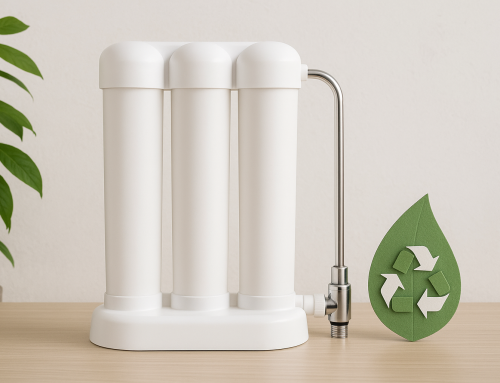
While reverse osmosis (RO) is typically used at a single tap for drinking water, combining whole-house filtration with a point-of-use RO system gives you both comprehensive protection and ultrapure drinking water.
How to Choose the Right System
Start with a Professional Water Test
Every well is unique. Begin with a certified lab test that checks microbiological contaminants, metals (like lead and arsenic), nitrates, hardness, iron, pH, and any locally relevant pollutants. Testing reveals what treatment steps are necessary.
Match System Capacity and Flow Rate
Make sure the system can handle your household’s peak flow rates so showers, laundry, and faucets won’t suffer low pressure. Filter size and media determine capacity and replacement frequency.
Consider Maintenance and Operating Costs
Some systems need regular media replacement, backwashing, or UV lamp changes. Factor in ongoing costs and the convenience of local service when choosing equipment.
Installation and Permits
Whole-house systems usually require professional installation near the point where water enters your home. Depending on your jurisdiction, permits or inspections may be needed—your installer can guide you through local requirements.
Benefits of Investing in Whole House Filtration
- Consistent, safer water for drinking, bathing, and household tasks
- Protects plumbing and appliances from scale, iron, and sediment
- Improves taste and odor, making water more enjoyable
- Reduces health risks from microorganisms and harmful chemicals
- Can increase home value and appeal to buyers who want worry-free well water
Maintenance Tips
- Follow manufacturer schedules for filter and media replacement.
- Have UV lamps replaced annually and quartz sleeves cleaned as needed.
- Re-test your well water annually or after heavy storms or nearby land-use changes.
- Keep a log of service visits, filter changes, and water test results.
Final Thoughts
Whole house well water filtration is an investment in your home’s comfort, appliance longevity, and family health. The right system starts with accurate water testing and a tailored approach to your specific contaminants and household needs.
If you’re ready to protect your home with a professionally designed solution, reach out to Custom Filtration Systems to schedule an appointment. Their experts can test your well, recommend the optimal whole house filtration setup, and handle installation and ongoing service.
Short Conclusion
A properly selected and maintained whole house well water filtration system provides peace of mind and cleaner water for every part of your home. Take the first step with testing and expert guidance from Custom Filtration Systems.