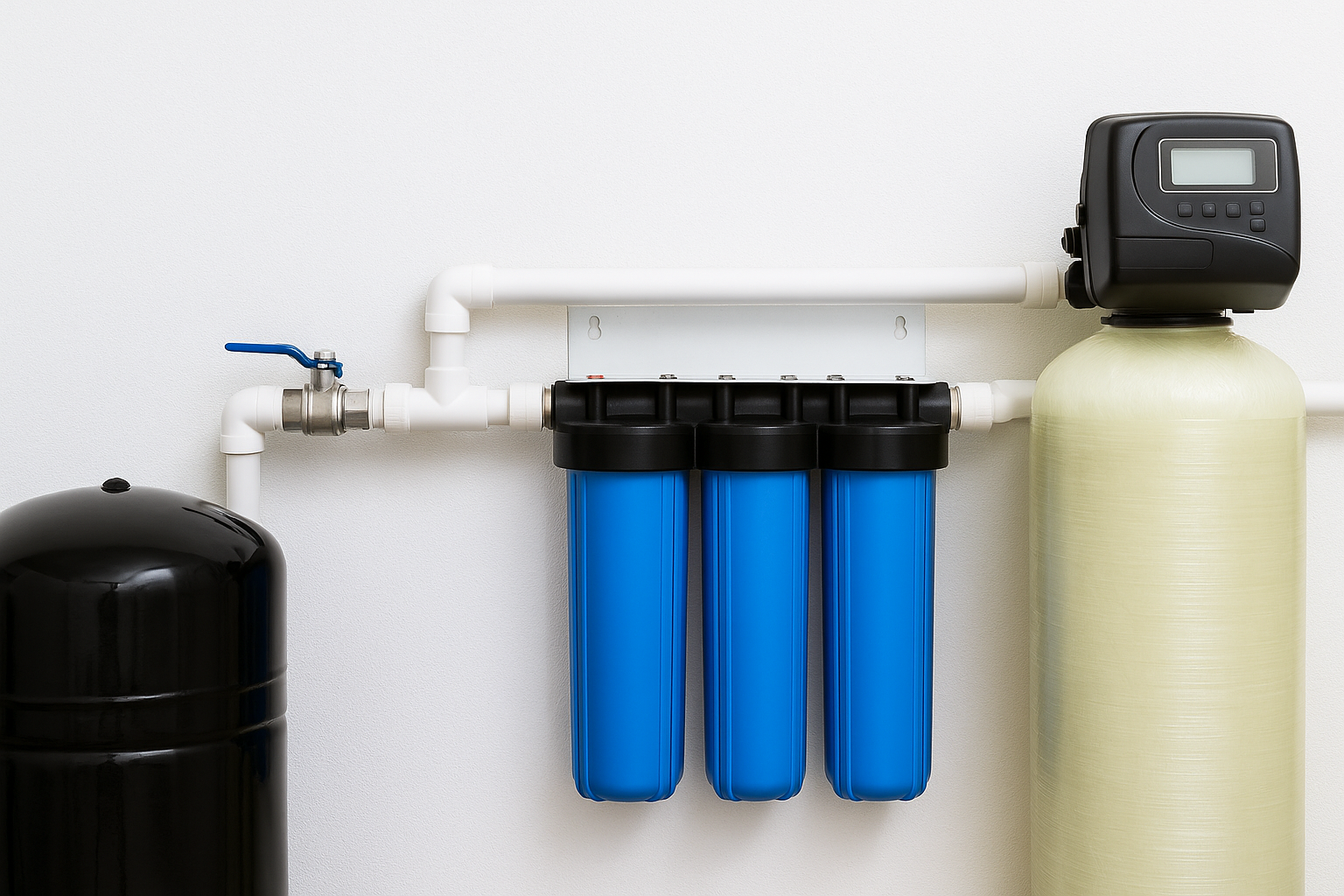
Why Well Water Needs Filtration
If your home relies on well water, you enjoy independence from municipal supply but also take on responsibility for water quality. Well water can contain sediments, minerals, organic matter, and in some cases bacteria or other contaminants. A properly chosen filtration system protects your family, extends appliance life, and improves taste and clarity.
Common Contaminants in Well Water
- Sediment such as sand, silt, and rust that clogs plumbing and fixtures
- Iron and manganese causing staining and metallic taste
- Hardness minerals like calcium and magnesium that scale pipes and appliances
- Microbial contaminants including bacteria and viruses in shallow or unprotected wells
- Volatile organic compounds and nitrates from agricultural runoff or nearby contamination sources
Types of Filtration Systems
Sediment Filters
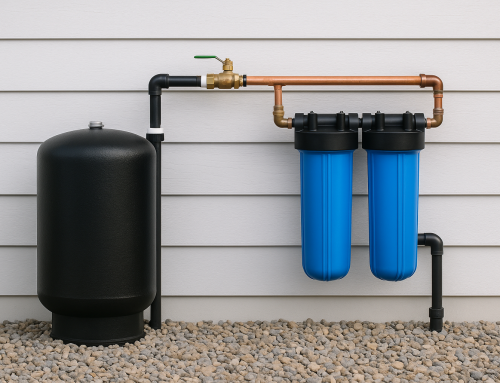
Sediment filters are the first line of defense. They remove particulates that cloud water and damage downstream equipment. Options include spin-down filters, pleated cartridges, and depth filters. These are inexpensive and low maintenance when sized correctly.
Activated Carbon Filters
Carbon filters reduce chlorine (if present), bad tastes, odors, and some organic contaminants. They are excellent for improving drinking water flavor and protecting reverse osmosis membranes and other systems.
Iron and Manganese Filters
Specific media and oxidation systems remove dissolved iron and manganese. Specialized backwashing filters or chemical oxidation systems are necessary for high concentrations and to prevent staining and sediment buildup.
Water Softeners
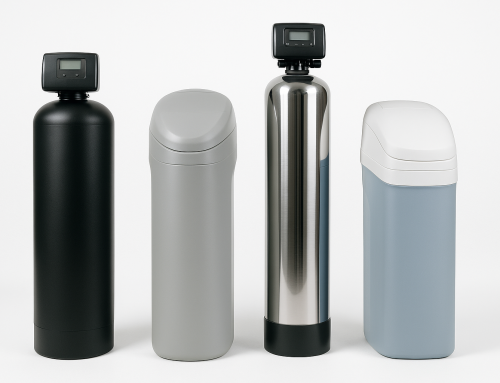
Ion exchange softeners exchange hardness minerals for sodium or potassium. Softening protects plumbing, improves soap performance, and prevents scale buildup in water heaters and appliances.
Reverse Osmosis Systems
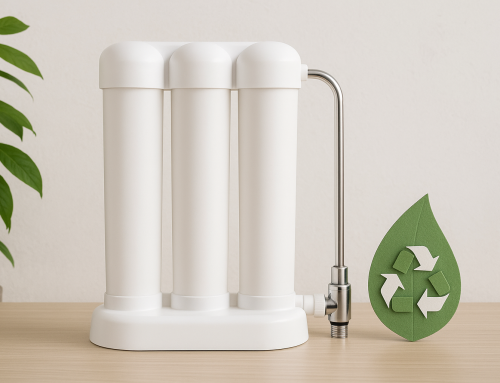
RO systems deliver high-quality drinking water by removing dissolved solids, heavy metals, and many contaminants. Typically installed under the kitchen sink, they are not designed for whole-house treatment but are ideal for drinking and cooking water.
Ultraviolet Disinfection
UV systems inactivate bacteria, viruses, and protozoa without chemicals. UV is an excellent complement when microbiological contamination is a concern, but it does not remove chemical contaminants or particulates.
How to Choose the Best System for Your Well
Start with a Comprehensive Water Test
Have your water professionally tested for bacteria, pH, hardness, iron, manganese, nitrates, lead, and VOCs. Results guide the selection and sizing of treatment equipment.
Consider Flow Rate and Household Demand
Whole-house systems must handle peak flow rates. Ensure the system you choose meets peak demand, not just average flow, to avoid pressure drops and inconsistent performance.
Look for Certified Equipment
Choose systems and components certified by trusted organizations such as NSF or WQA. Certification verifies contaminant reduction claims and ensures product safety and reliability.
Factor in Maintenance and Operating Costs
Know the replacement schedule for media, cartridges, and UV lamps, and factor in electricity and salt or chemical costs. Some systems require professional annual maintenance, while others are homeowner-serviceable.
Top Recommended Well Water Solutions
- Whole-House Sediment + Carbon + UV Combo Ideal for homes needing particulate removal, improved taste, and microbiological protection. Pros include comprehensive coverage; cons include higher upfront cost.
- Iron Removal and Water Softening Package Best for wells with high iron and hard water. These systems reduce staining and scale and improve appliance lifespan.
- Point-of-Use Reverse Osmosis For the best drinking water at the kitchen sink. Pairs well with a whole-house prefilter to extend membrane life.
- Dedicated UV System Recommended if testing shows bacterial contamination. Combine with sediment filtration for optimal UV performance.
Installation and Maintenance Tips
Professional installation ensures correct sizing, proper placement, and code compliance. Regular maintenance includes replacing cartridges, regenerating or refilling softeners, cleaning or replacing media, and UV lamp replacement per manufacturer guidelines. Keep records of service dates and test water annually or when you notice changes in color, taste, or pressure.
Costs and Financing
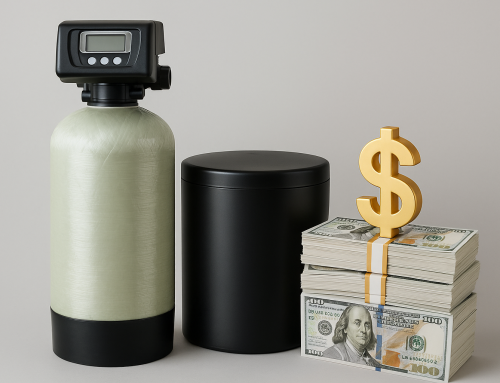
Basic sediment or carbon systems can start at a few hundred dollars. Whole-house treatment packages and installation often range from a few thousand to several thousand dollars depending on complexity. Ask about financing options, warranties, and service plans to manage upfront costs and ensure long-term performance.
Conclusion
Choosing the best well water filtration system depends on your water quality, household needs, and budget. Start with a reliable water test and prioritize certified equipment that addresses the contaminants identified. For personalized recommendations and professional installation, reach out to Custom Filtration Systems to schedule an appointment and get a system tailored to your well and home.