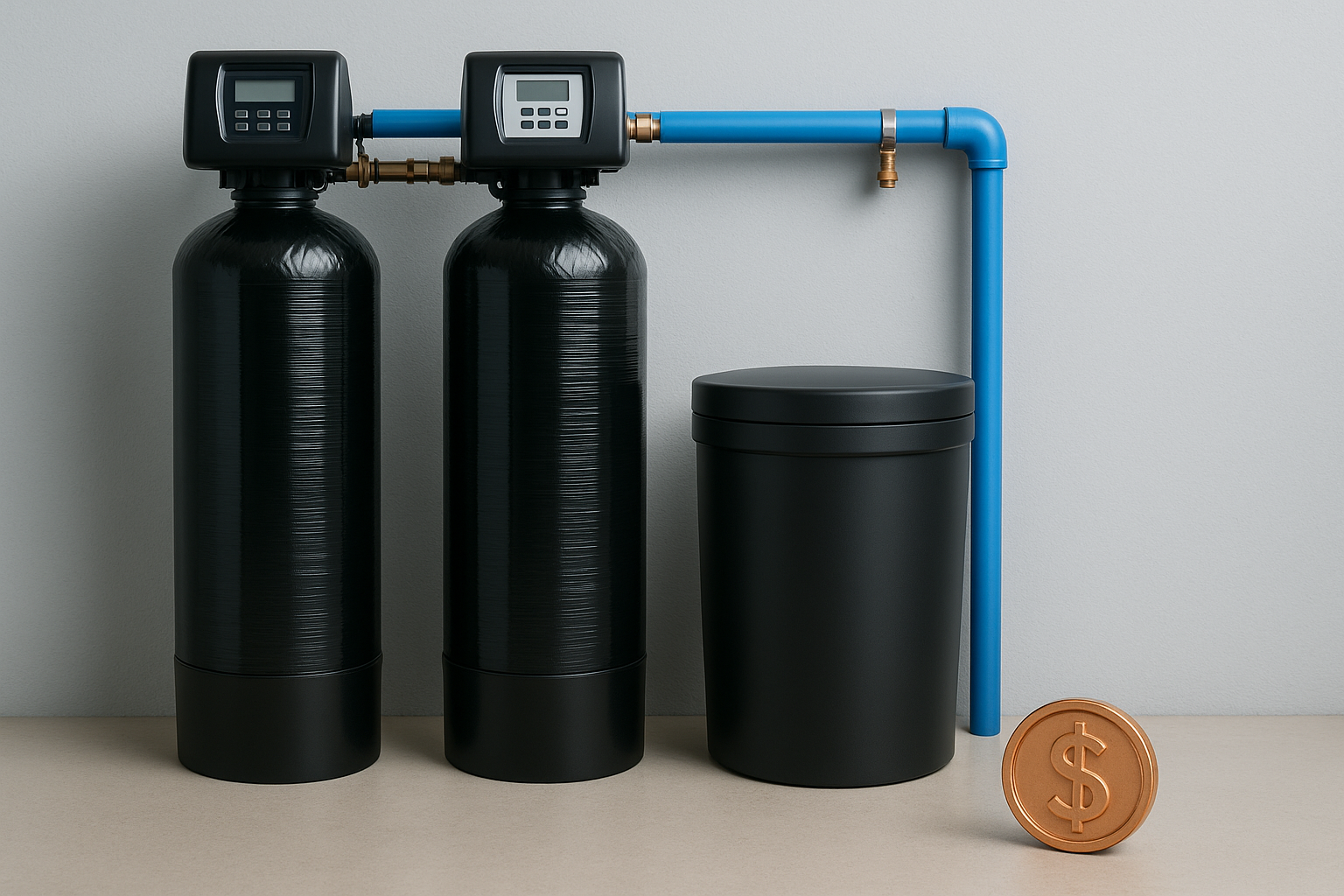
Introduction to Whole Home Water Filtration Systems
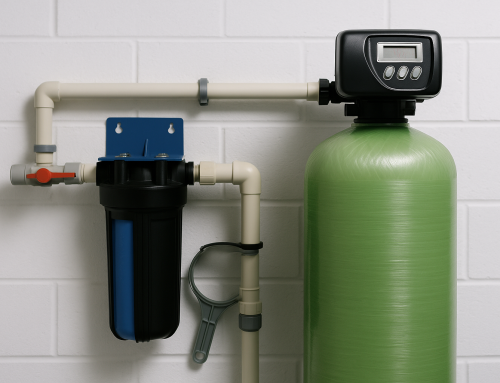
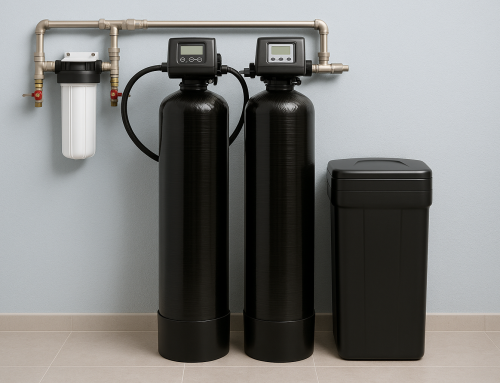
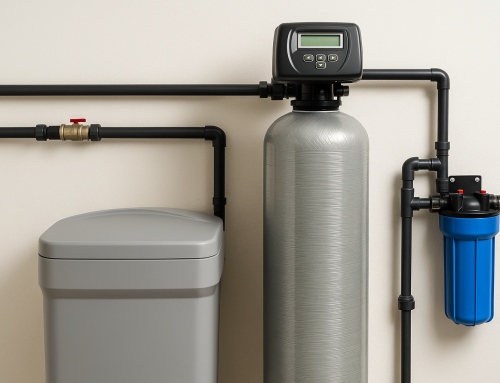
Investing in a whole home water filtration system is an excellent way to ensure your family and plumbing are protected from contaminants and sediment. These systems filter water at the point of entry, delivering clean, safe water throughout your entire home. But before making this important investment, it’s essential to understand the cost factors involved in installing a whole home water filtration system.
The Components Affecting the Cost
1. Type of Filtration System
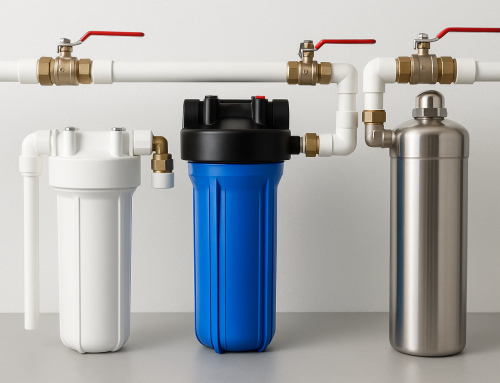
The technology behind filtration plays a major role in determining overall expense. Common types include carbon filters, reverse osmosis, UV systems, and water softeners. Carbon filtration systems typically cost less, while reverse osmosis combined with UV filtration offers more comprehensive protection but comes at a higher price.
2. Filtration Capacity and Size
The size of the system depends on your household water usage and the number of water outlets. Larger homes or those with higher water consumption will require higher capacity filters, increasing the initial cost.
3. Installation Complexity
Installation cost varies depending on your home’s plumbing configuration and whether additional modifications are necessary. Homes with easy access to main water lines typically incur lower labor costs.
4. Maintenance and Replacement Filters
Maintenance is an ongoing expense. Filter cartridges and membranes need periodic replacement, the frequency and cost of which depend on the system type and water quality.
Average Cost Breakdown
Equipment Costs
Basic whole home filtration systems can start around $300 for simple sediment and carbon filters. More advanced systems with multiple filtration stages or UV purification range from $1,000 to $3,000 or more.
Installation Charges
Professional installation typically costs between $500 and $1,500. Complex installations requiring plumbing modifications may push costs higher. It’s important to factor this in to avoid surprises.
Maintenance Expenses
Replacement filters generally cost $50 to $200 annually, depending on system specifications. Scheduling regular maintenance extension ensures system efficiency and longevity.
Factors That Can Influence Your Final Cost
Water Quality and Testing
Performing a comprehensive water test before purchasing helps identify the exact contaminants you need filtered. Customized systems tailored to these needs may cost more upfront but save money in the long term by avoiding unnecessary components.
Additional Features
Some systems offer smart monitoring, automatic flushing, or enhanced filtration stages. These upgrades improve convenience and water quality but can increase the price.
Is a Whole Home Water Filtration System Worth the Investment?
While the upfront and maintenance costs may seem significant, the health benefits and protection for your plumbing are invaluable. Cleaner water reduces the risk of contaminants affecting your household and appliances, potentially lowering future repair and health care expenses.
How to Get an Accurate Cost Estimate
Every home has unique water needs. The best way to determine pricing and find the right system is to consult with water filtration professionals. They can assess your water quality, home size, and budget to recommend a tailored solution.
Schedule a Consultation With Custom Filtration Systems
Considering a whole home water filtration system? Reach out to Custom Filtration Systems to schedule an appointment. Their experts will perform detailed water testing, discuss your goals, and provide a transparent, no-obligation cost estimate that fits your home’s needs.
Conclusion
The cost of installing a whole home water filtration system varies widely based on system type, size, and installation complexity. While the initial investment may range from a few hundred to several thousand dollars, the peace of mind from clean, safe water throughout your home is well worth it. For personalized pricing and the best system options, contacting a trusted company like Custom Filtration Systems is your first step toward enjoying better water quality.