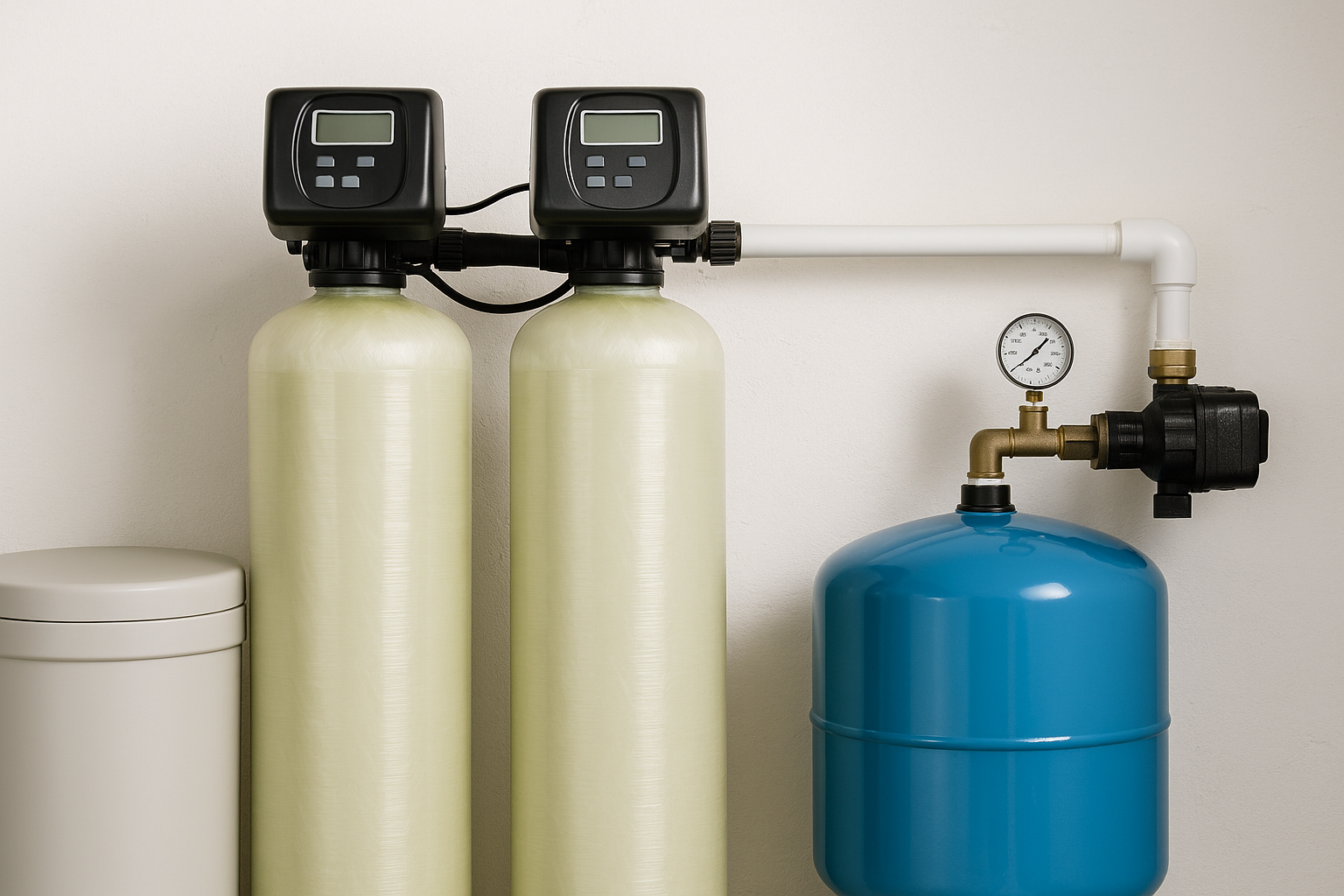
If you rely on well water, you may have noticed scale buildup on fixtures, dry skin, or diminished soap performance. A properly selected water softener system can solve these problems and protect your plumbing and appliances. This guide explains what makes well water unique, the types of softeners that work best, and how to choose, install, and maintain the right system for your home.
Why well water often needs a softener
Well water commonly has higher mineral content—especially calcium and magnesium—than municipal supplies. These minerals cause “hard water” that forms scale on pipes, water heaters, faucets, and fixtures. Left untreated, hard water increases energy costs, shortens appliance life, and can make cleaning and bathing more difficult. In addition, well water may contain iron, manganese, sediment, or biological contaminants that affect system selection.
How water softeners work
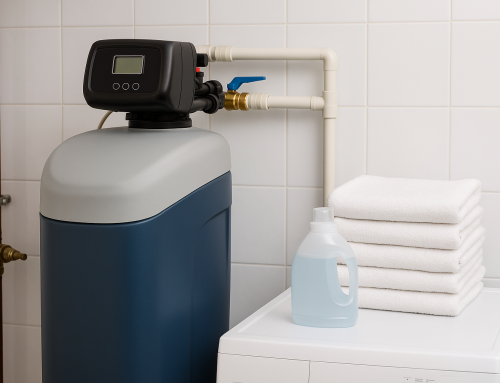
The most common home systems are ion-exchange softeners. They replace hardness ions (calcium and magnesium) with sodium or potassium ions, which do not form scale. Softeners typically have a resin tank and a brine tank for regeneration. During regeneration, salt or potassium chloride flushes the resin to renew its softening capacity. Other approaches, such as salt-free conditioners, use template-assisted crystallization or sequestration to reduce scale without ion exchange.
Types of systems for well water
Salt-based ion exchange softeners
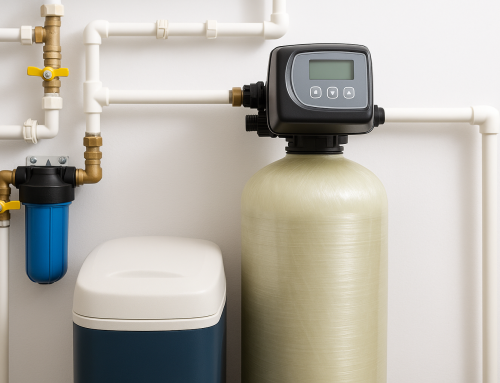
These are the classic solution for removing hardness. They are very effective and predictable. For well water, choose systems with appropriate capacity and reliable control valves. If your well water contains iron, choose a resin and control valve rated for iron-bearing water and plan for pre-filtration to avoid fouling.
Salt-free conditioners
Salt-free systems do not actually remove hardness but can reduce scale formation by transforming hardness minerals into microscopic crystals. They require less maintenance and no salt, but they do not lower water hardness readings and are less effective when iron or heavy hardness is present.
Dual-tank and high-efficiency systems
Homes with high water usage or those that need continuous soft water (no downtime during regeneration) benefit from dual-tank systems. High-efficiency systems with metered regeneration can reduce salt and water use by regenerating only when needed.
Pre-treatment for well water
Well water often requires pre-treatment before softening to protect the softener and improve overall performance.
Iron and manganese removal
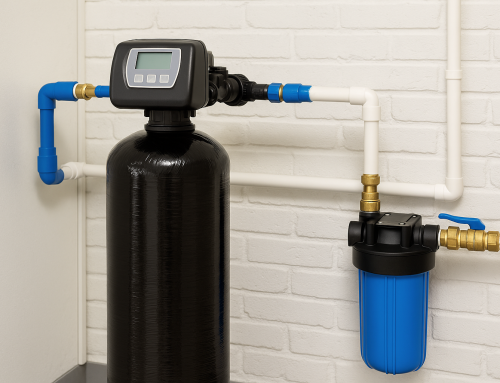
Even low levels of iron can foul softener resin and stain fixtures. Options include oxidation/filtration systems (greensand, catalytic carbon), air injection, or chemical oxidation followed by filtration. Addressing iron before the softener extends its life and effectiveness.
Sediment and bacterial concerns
Sand and sediment can damage valves and resin. A sediment filter ahead of the softener is recommended. If bacterial contamination is present, consult a water treatment professional—softeners are not designed to disinfect water.
Sizing and choosing the right system
Testing water hardness and composition
Start with a comprehensive water test that measures hardness (grains per gallon), iron, manganese, pH, and any other relevant parameters like total dissolved solids (TDS) and bacterial indicators. Accurate testing is the foundation of an appropriate system recommendation.
Calculating capacity and flow rate
Sizing a softener requires calculating daily grain removal based on household water usage and hardness level. Also consider peak flow rates to ensure the softener doesn’t create pressure drops when multiple fixtures run simultaneously. A professional can help match resin capacity and valve size to your home’s needs.
Installation, maintenance, and costs
Installation tips
Have the system installed by a qualified technician familiar with well setups. Proper placement for backwash drains, brine tank access, and pre-filtration are important. Check local codes for discharge and plumbing requirements.
Routine maintenance
Maintain your softener by keeping the brine tank filled with the correct salt or potassium, cleaning the tank periodically, and following manufacturer recommendations for resin cleaning if iron is present. Replace pre-filters on schedule to prevent sediment buildup.
Operating costs
Costs include salt or potassium, electricity for metered valves, and occasional resin or valve service. High-efficiency systems typically reduce salt and water use, lowering ongoing expenses.
Making the right choice for your home
Choosing the right softener for well water depends on water chemistry, household demand, and budget. For many well owners, a salt-based ion exchange system with appropriate iron pre-treatment is the best balance of performance and cost. If you prefer low-maintenance options and your water has minimal iron, a salt-free conditioner may be worth considering.
Conclusion
Well water can present unique challenges, but with proper testing, pre-treatment, and system selection you can enjoy softer water, preserved plumbing, and longer-lasting appliances. To get specific recommendations and a professional installation, reach out to Custom Filtration Systems to schedule an appointment and have your well water evaluated by experts.