Introduction
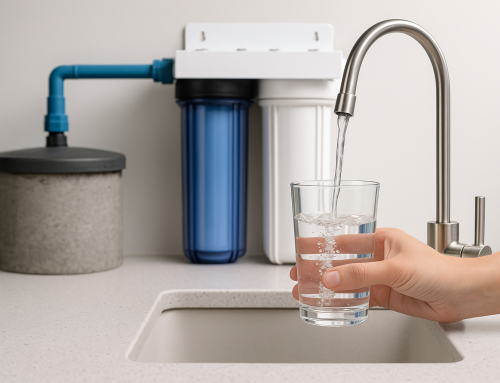
Investing in a whole house carbon water filter is one of the most effective ways to improve water quality at every faucet, shower, and appliance in your home. Unlike point-of-use filters that treat water at a single sink, a whole house carbon system treats incoming water at the main line, delivering cleaner, better-tasting water throughout your entire home. This post explains how carbon filtration works, the benefits, installation and maintenance considerations, and how to choose the right system for your needs.
What Is a Whole House Carbon Water Filter?
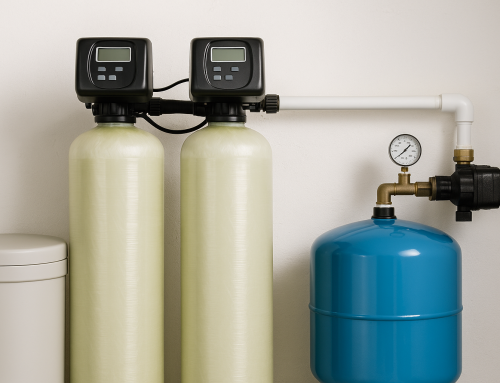
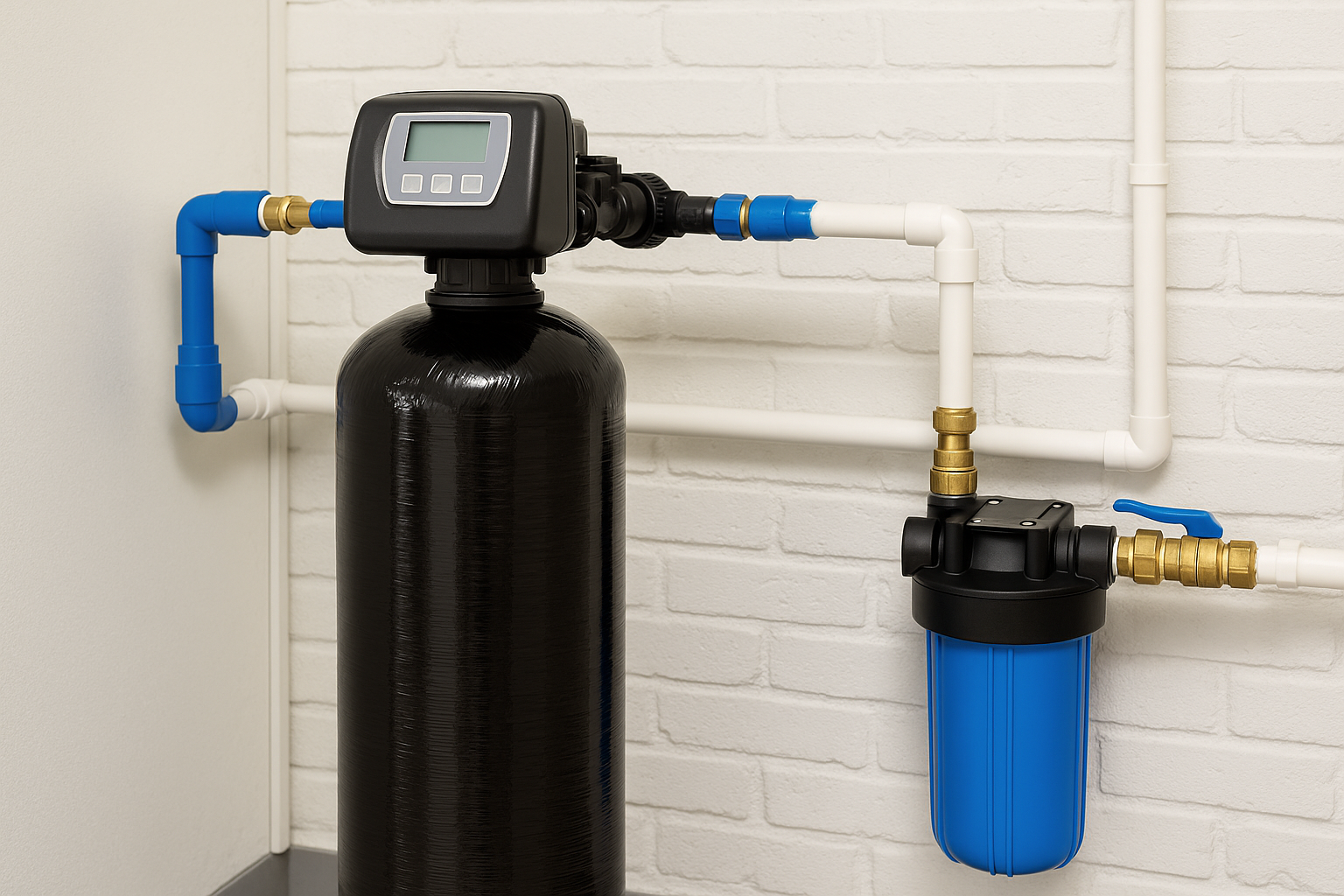
A whole house carbon water filter uses activated carbon media to remove or reduce chemicals, tastes, and odors from your water supply. These systems are installed at the point where water enters your home so all water — for drinking, cooking, bathing, and laundry — passes through the carbon media first.
Types of Carbon Media
- Granular Activated Carbon (GAC): Loose granules that provide good contact with water and are effective for chlorine taste and odor removal.
- Carbon Block: Compressed carbon with a tighter structure that can filter fine particles and often provides more consistent contaminant reduction.
How It Works
Activated carbon removes contaminants primarily through adsorption — contaminants adhere to the surface of the carbon particles. The more porous the carbon and the greater the contact time, the more effective the removal. Carbon is especially effective against:
- Chlorine and chloramine (taste and odor)
- Volatile organic compounds (VOCs) and many industrial chemicals
- Some pesticides and herbicides
- Certain forms of lead and other heavy metals when the carbon is specifically treated and certified
Benefits of a Whole House Carbon Filter
Improved Taste and Smell
Most homeowners notice an immediate improvement in tap water taste and a reduction in chlorine smell, which makes drinking water more pleasant and can improve the flavor of cooked food and beverages.
Better Skin and Hair
Chlorine and some disinfectant byproducts can dry out skin and hair. Using filtered water for showers and baths can help reduce irritation and keep hair softer.
Protects Plumbing and Appliances
Reducing chlorine and organic contaminants can extend the lifespan of your water heaters, dishwashers, and washing machines by minimizing scale and chemical degradation.
Installation and Maintenance
Where It’s Installed
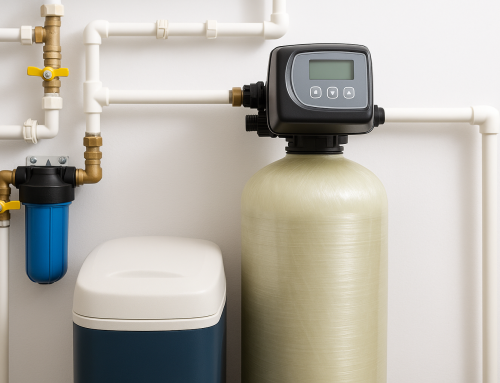
Whole house carbon filters are typically installed at the main water line after the shutoff valve and before the water heater. A professional plumber or filtration specialist should evaluate space, water pressure, and piping to determine the best placement.
Maintenance Requirements
Maintenance varies by system and water quality. Carbon cartridges or media need replacement periodically — commonly every 6–12 months for cartridge systems and every 1–3 years for large media tanks. Pre-filtration with a sediment filter can extend the life of the carbon media.
Choosing the Right System
Test Your Water First
Start with a professional water test to identify contaminants present in your supply. This will help determine if a carbon filter alone is sufficient or if additional treatment (e.g., softening, iron removal, reverse osmosis for drinking water) is required.
Look for Certifications
Choose systems and cartridges certified by reputable organizations (NSF/ANSI) for specific contaminant reduction claims. This ensures the system performs as advertised.
Consider Flow Rate and Capacity
Make sure the system can handle your household’s peak flow rate without a big pressure drop. Also match the carbon capacity to your home’s usage and contaminant levels to avoid premature exhaustion of the media.
Cost and Return on Investment
Initial costs vary widely depending on system size and complexity — from a few hundred dollars for simple cartridge systems to several thousand for larger media tanks and professionally installed systems. Factor in maintenance costs for periodic media or cartridge replacement. The ROI shows up in improved appliance longevity, reduced need for bottled water, and better water quality for health and comfort.
Common FAQs
Does a carbon filter remove hard water minerals?
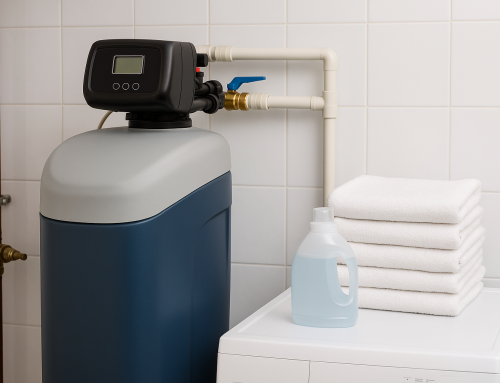
No. Carbon filters do not remove hardness (calcium and magnesium). If hard water is a problem, pair carbon filtration with a water softener.
Can carbon remove lead?
Some carbon filters can reduce lead if they are specifically certified for that purpose. Check product certifications and consider targeted lead-removal cartridges or a whole-home solution designed for heavy metals.
Conclusion
A whole house carbon water filter is a practical, effective solution for improving taste, odor, and many chemical contaminants in your home’s water. To get the best results, start with a water test and choose a certified system sized for your household. For personalized recommendations and professional installation, reach out to Custom Filtration Systems to schedule an appointment—our experts can help you find the right system and keep your water flowing clean and fresh.