Introduction
Hard water is a quiet problem that affects millions of homes, leaving behind scale, reducing appliance efficiency, and making cleaning harder. Installing a water softener is one of the most effective ways homeowners can protect plumbing, improve daily comfort, and lower long-term costs. In this post, we walk through the real advantages of using a water softener so you can decide if it’s the right upgrade for your home.
Why Water Hardness Matters
What is hard water?
Hard water contains elevated levels of dissolved minerals, primarily calcium and magnesium. These minerals are harmless to health for most people but react with soap and heat to form scale and residue that can clog pipes and coat surfaces.
Common problems caused by hard water
- Scale buildup on pipes, fixtures, and heating elements
- Reduced lifespan and efficiency of water heaters, dishwashers, and washing machines
- Soap scum, reduced lather, and dingy laundry
- Dry skin and dull hair after bathing
- Higher energy and maintenance costs over time
Key Advantages of Using a Water Softener
1. Protects plumbing and prevents scale buildup
One of the clearest benefits of a water softener is that it removes the calcium and magnesium that form hard mineral scale. When scale is reduced, pipes stay clearer and fixtures remain free of crusty deposits. That means fewer clogged lines, less frequent plumbing repairs, and fewer emergency service calls.
2. Extends the life of appliances
Water heaters, dishwashers, and washing machines work harder when scale accumulates on heating elements and internal parts. Soft water helps appliances run more efficiently and last longer, so you delay replacement costs and get better return on your investments.
3. Improves energy efficiency and lowers utility bills
Scale acts like insulation on heating elements, forcing appliances to use more energy to reach the same temperatures. By minimizing scale, a water softener can reduce energy consumption for water heating and appliance operation—translating to measurable savings on monthly utility bills.
4. Better cleaning with less detergent
Soft water allows soap and detergents to lather more effectively, meaning you need less product to get things clean. Dishes come out spot-free, laundry is brighter and softer, and you’ll use less dish soap, laundry detergent, and cleaning chemicals—cutting both cost and environmental impact.
5. Softer skin and shinier hair
Hard water can strip natural oils from skin and hair, leaving them dry and dull. Many homeowners notice smoother skin, reduced irritation, and more manageable hair after switching to soft water because shampoos and soaps rinse out more completely.
6. Reduced maintenance and long-term cost savings
While installing a water softener is an upfront expense, the reduction in repairs, appliance replacements, and detergent use typically offsets that cost over time. Fewer clogged pipes and lower cleaning and energy bills add up to meaningful savings over the life of your home systems.
7. Environmental benefits
Using less detergent and extending the life of appliances reduces waste and lowers the environmental footprint of your household. In addition, improved efficiency means less energy consumption, contributing to lower greenhouse gas emissions associated with heating water.
Choosing the Right System and Maintenance
Types of water softeners
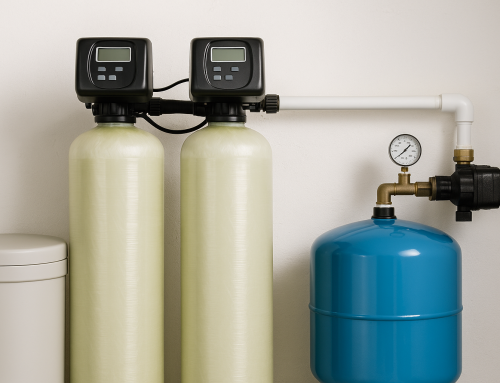
There are several types of water softening technologies, including traditional salt-based ion exchange systems, salt-free conditioners that reduce scale formation, and dual-tank systems for uninterrupted soft water. Each option has trade-offs in performance, maintenance, and cost.
Professional installation and ongoing care
Proper sizing, placement, and setup are essential to get the most benefit from a water softener. Routine maintenance—like checking salt levels or replacing media as recommended—helps the system perform effectively. For personalized recommendations and professional installation, reach out to Custom Filtration Systems to schedule an appointment. Their team can assess your water quality, discuss options that fit your budget, and keep your system running smoothly.
Conclusion
Installing a water softener delivers clear, tangible benefits: healthier skin and hair, cleaner dishes and laundry, longer-lasting appliances, and lower energy and maintenance costs. If hard water is causing issues in your home, a properly selected and installed softening system is a smart investment in comfort and savings. Contact Custom Filtration Systems to learn more and book an appointment tailored to your needs.