Introduction
Thinking about a reverse osmosis whole house water filter? You’re not alone. Homeowners are increasingly turning to whole-home reverse osmosis (RO) to improve water quality at every tap—kitchen, shower, laundry, and more. This guide explains how whole house RO works, the benefits and trade-offs, installation and maintenance considerations, costs, and tips for choosing the right system for your needs.
What Is a Reverse Osmosis Whole House Water Filter?
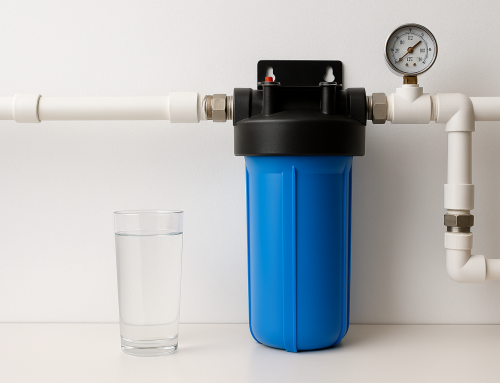
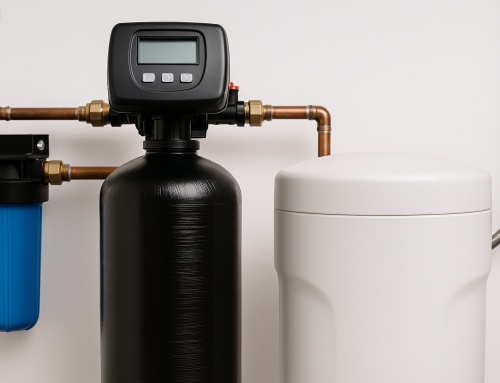
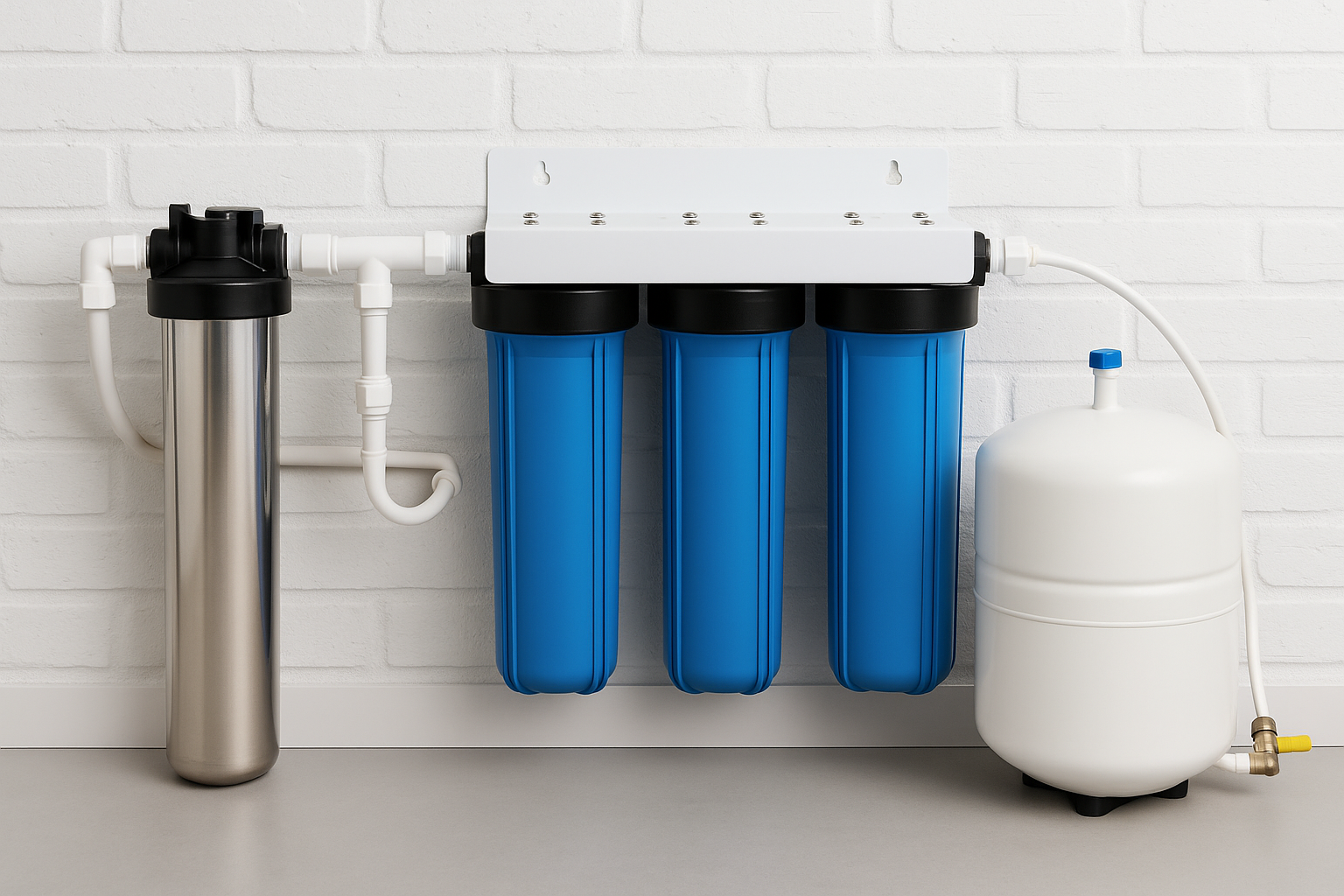
A reverse osmosis whole house water filter is a point-of-entry system that treats all incoming water before it reaches faucets, appliances, and fixtures. Unlike under-sink RO units that serve only a single tap, whole house systems aim to deliver purified water throughout the home by combining pre-filtration, RO membranes, and post-treatment options.
How It Works
Whole house RO typically follows these stages:
- Pre-filtration removes sediment, chlorine, and larger contaminants to protect the RO membrane.
- Reverse osmosis membrane uses pressure to force water through a semi-permeable membrane, rejecting dissolved solids, heavy metals, and many contaminants.
- Post-treatment may include remineralization, UV sterilization, or activated carbon polishing to improve taste and stability.
Key Components
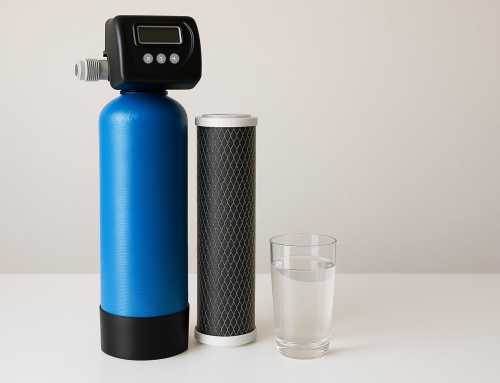
- Prefilters (sediment and carbon)
- High-capacity RO membrane housings
- High-pressure pump (often required for adequate flow)
- Storage tanks or buffering systems
- Post-filters and optional remineralization or UV units
Benefits of Whole House RO
- Comprehensive protection: Treats water for the entire home, reducing contaminants like lead, arsenic, fluoride (depending on membrane), and some pesticides.
- Better water for appliances: Purified water can extend the life of water heaters, coffee makers, and other appliances by reducing scale and sediment buildup.
- Consistent taste and odor: A whole-home system can improve the smell and taste of water at every tap.
- Health and comfort: Softer-feeling water for bathing and laundry (though RO is not the same as water softening) and lower exposure to harmful contaminants.
Considerations and Potential Drawbacks
Whole house RO systems have clear advantages, but they’re not right for every home. Consider these factors:
Water Wastage
RO systems produce a wastewater stream (brine). High-efficiency systems reduce waste, but you should account for this when evaluating system performance and local regulations.
Flow Rate and Pressure
To serve an entire house, a whole-home RO needs sufficient pressure and often a high-pressure pump plus storage tank to ensure household demand is met without noticeable drops in flow.
Cost and Complexity
Whole house RO installations are more expensive than point-of-use filters and require more space, professional installation, and regular maintenance—filter changes, membrane replacement, and system sanitization.
Mineral Removal
RO removes beneficial minerals like calcium and magnesium. Many systems include remineralization stages to restore balanced water for taste and plumbing compatibility.
Installation & Space Requirements
These systems are typically installed at the main water entry point and require enough room for prefilters, membrane housings, pumps, and storage tanks. Professional installation ensures proper bypass valves, pressure regulation, and connection to existing plumbing. If you’re considering a whole-house RO system, reach out to Custom Filtration Systems to schedule an appointment for an on-site assessment and accurate sizing.
Maintenance and Expected Costs
Maintenance tasks include replacing prefilters every 3–12 months, changing RO membranes every 2–5 years (depending on quality and water conditions), and occasional sanitization. Costs vary by system size and brand, but expect higher upfront investment for whole-house RO compared to point-of-use filters. Factor in long-term savings from appliance longevity and reduced bottled water purchases.
Who Should Consider a Whole House RO?
- Homes with well water containing high dissolved solids, heavy metals, or specific contaminants that RO can remove.
- Households wanting the highest possible water quality at every tap for drinking, bathing, and appliances.
- People concerned about contaminants not treated effectively by standard carbon filtration (e.g., certain nitrates, fluoride, arsenic).
If you suspect your water has contaminants that require advanced treatment, schedule a professional water test and consultation—Custom Filtration Systems can help with testing and recommend the right system for your needs.
Choosing the Right System
When comparing whole house RO systems, evaluate:
- System capacity and flow rates
- Water recovery efficiency
- Pre- and post-treatment options
- Warranty, local service support, and filter/membrane costs
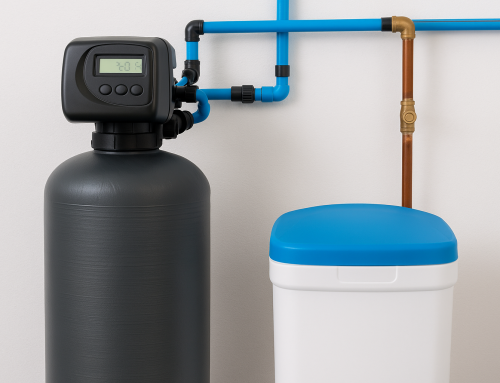
Work with experienced local professionals to size the system correctly and integrate it with any existing softeners or conditioners.
Conclusion
A reverse osmosis whole house water filter is a powerful solution for homeowners seeking high-quality water throughout their home. While it requires a larger upfront investment and regular maintenance, the benefits—improved water quality, better-tasting water, and protection for appliances—often outweigh the drawbacks for homes with specific contamination or quality concerns. For personalized advice and to schedule an on-site consultation, reach out to Custom Filtration Systems to book an appointment and get a system tailored to your home’s needs.