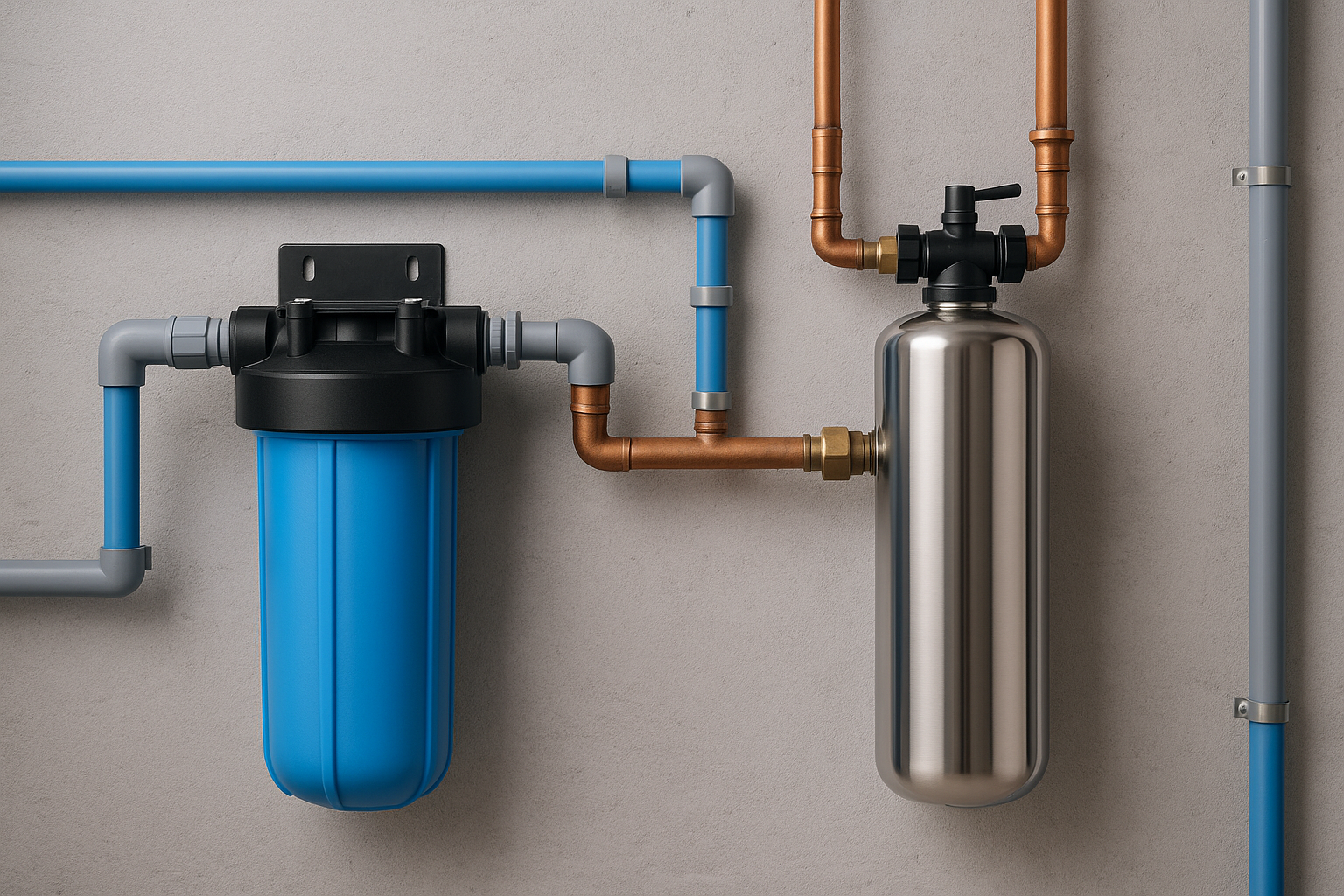
What is Whole Home Water Filtration?
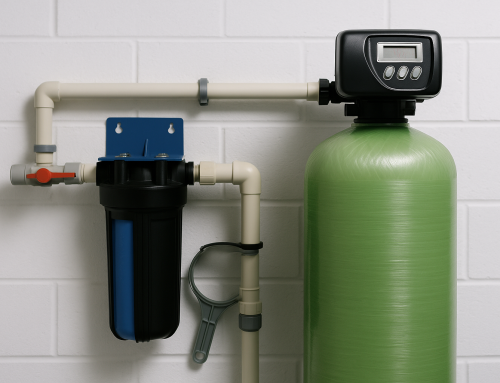
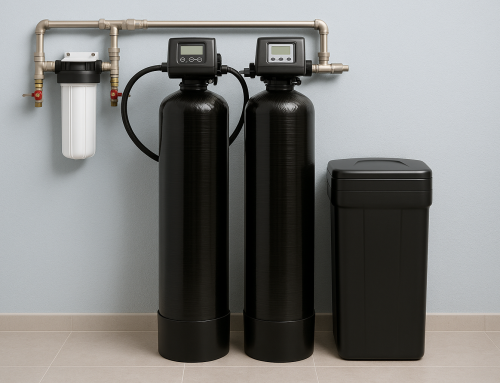
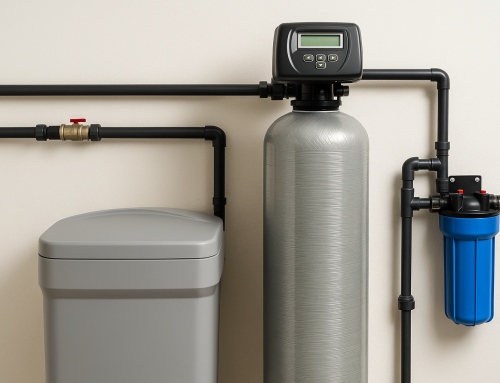
A whole home water filtration system—also called a whole-house filter—treats water at the point it enters your house so every faucet, shower, and appliance gets cleaner water. Unlike point-of-use filters that treat water at a single sink or refrigerator, whole home systems work for the entire plumbing system. That means better-tasting drinking water, cleaner showers, and extended life for appliances and pipes.
Benefits of a Whole Home System
- Consistent water quality: Enjoy filtered water at every tap without installing multiple filters.
- Protect plumbing and appliances: Reduce scale, sediment and corrosion that wear down water heaters, dishwashers and washing machines.
- Improved health and comfort: Remove contaminants that affect taste, odor, and skin/hair health.
- Convenience: Lower maintenance compared to managing several point-of-use units.
Common Contaminants Addressed
Different systems target different problems. Common contaminants whole home filters address include:
- Sediment: Sand, rust, and dirt that cloud water and clog fixtures.
- Chlorine and chloramines: Chemicals from municipal treatment that cause taste and odor issues.
- Heavy metals: Lead, copper, and iron that can come from distribution systems and older plumbing.
- Hardness minerals: Calcium and magnesium that cause scale buildup.
- Microbial contaminants: Bacteria and viruses (typically addressed with UV disinfection).
Types of Whole Home Filtration Systems
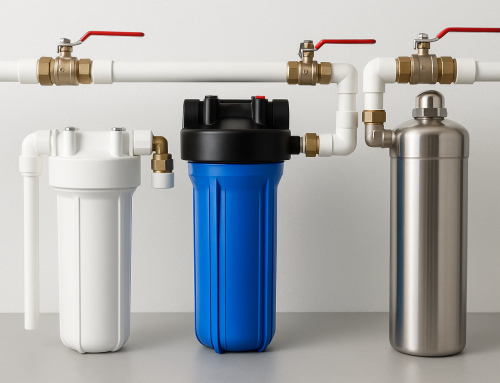
Choosing the right technology depends on your water source and concerns. Here are common whole-home options:
Sediment Filters
These capture larger particles like sand and rust. They’re usually the first stage in a multi-filter system and protect downstream filters and appliances.
Activated Carbon Filters
Excellent for removing chlorine, organic compounds, and many chemicals that affect taste and smell. Carbon filters come in granular or block form and are a staple of many systems.
Water Softeners
Ion-exchange softeners reduce hardness minerals, preventing scale buildup on fixtures and inside appliances. They are ideal for homes with hard water issues.
UV Disinfection
Ultraviolet systems neutralize bacteria and viruses without chemicals—great for well water or systems concerned about microbial contamination.
Whole-Home Reverse Osmosis
While full-house RO systems are less common due to water waste and cost, point-of-entry RO units are available for households needing extensive contaminant removal across the home.
How to Choose the Right System
Start with a Water Test
Testing your water is the first step. A comprehensive test tells you which contaminants are present and at what levels, so you can match a system to your needs.
Consider Flow Rate and Household Size
Whole home systems must handle peak flow rates—showers, laundry and dishwashers running at once. Make sure the system’s capacity matches your household habits to avoid pressure drops.
Look for Certifications
Choose filters certified by recognized bodies (NSF/ANSI) for the contaminants you care about. Certification ensures the product performs as advertised.
Installation & Maintenance
Professional installation is strongly recommended. A qualified installer will place the system at the appropriate point-of-entry, size it to your plumbing, and set up bypass valves for easy service. Routine maintenance—changing filters, servicing softeners, and monitoring UV lamp life—is essential to keep performance high.
If you’d like an expert assessment and professional installation, reach out to Custom Filtration Systems for an appointment. They can test your water, recommend the right system, and schedule a timely installation that fits your home.
Cost Considerations & Long-Term Value
Upfront costs vary by system type and home size: a basic sediment-and-carbon setup is more affordable, while softeners, UV units, and whole-home RO systems raise costs. Factor in maintenance (filter replacements, salt for softeners, UV lamp changes) and the savings from fewer appliance repairs, reduced detergent use, and improved energy efficiency when making your decision. Over time, the benefits often outweigh the investment, especially in homes with known water quality issues.
Frequently Asked Questions
Will a whole home filter remove lead?
Some systems, particularly those with certified activated carbon or specialized media, can reduce lead. Confirm performance with a certified product and your water test results.
Do whole home systems waste water?
Most whole home filters (carbon, sediment, softeners) do not waste water. Reverse osmosis systems can produce wastewater; consider recovery options or choose alternatives if water conservation is a priority.
How often do filters need changing?
Frequency depends on usage and contaminant load. Pre-filters may need changing every 3–6 months, carbon filters 6–12 months, and softener maintenance varies by model and salt usage. Your installer should provide a schedule tailored to your system.
Conclusion
Whole home water filtration gives you cleaner water at every tap, protects plumbing and appliances, and enhances health and comfort. Start with a water test, choose a system matched to your needs, and lean on professionals for installation and upkeep. For personalized recommendations and to schedule an appointment, contact Custom Filtration Systems—your partner in better water for the whole home.