Introduction
Upgrading your home’s water supply to a whole home water filtration system with a softener is one of the most impactful home improvements you can make. These systems treat water at the point of entry so every tap—showers, washing machines, dishwashers, and faucets—delivers cleaner, softer water. In this guide we’ll explain how these systems work, their benefits, how to choose the right one, installation and maintenance considerations, and when to call in a pro.
How Whole Home Systems Work
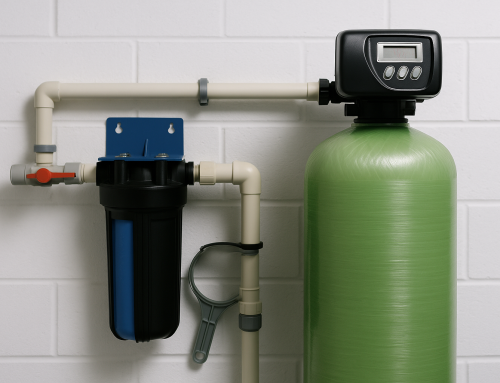
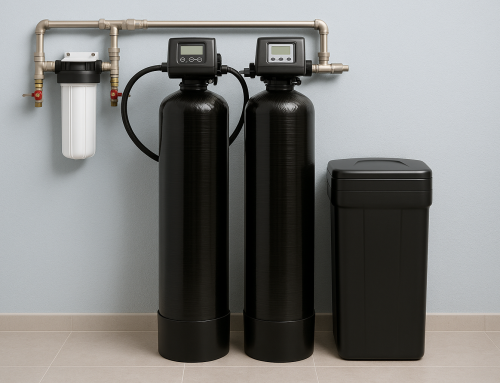
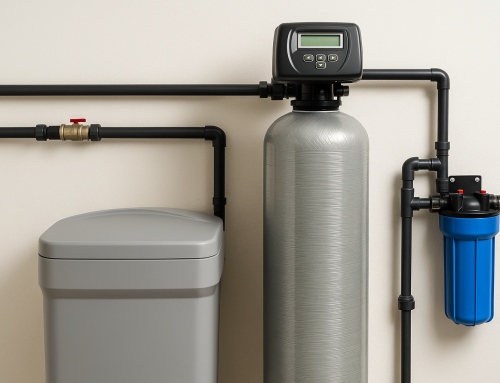
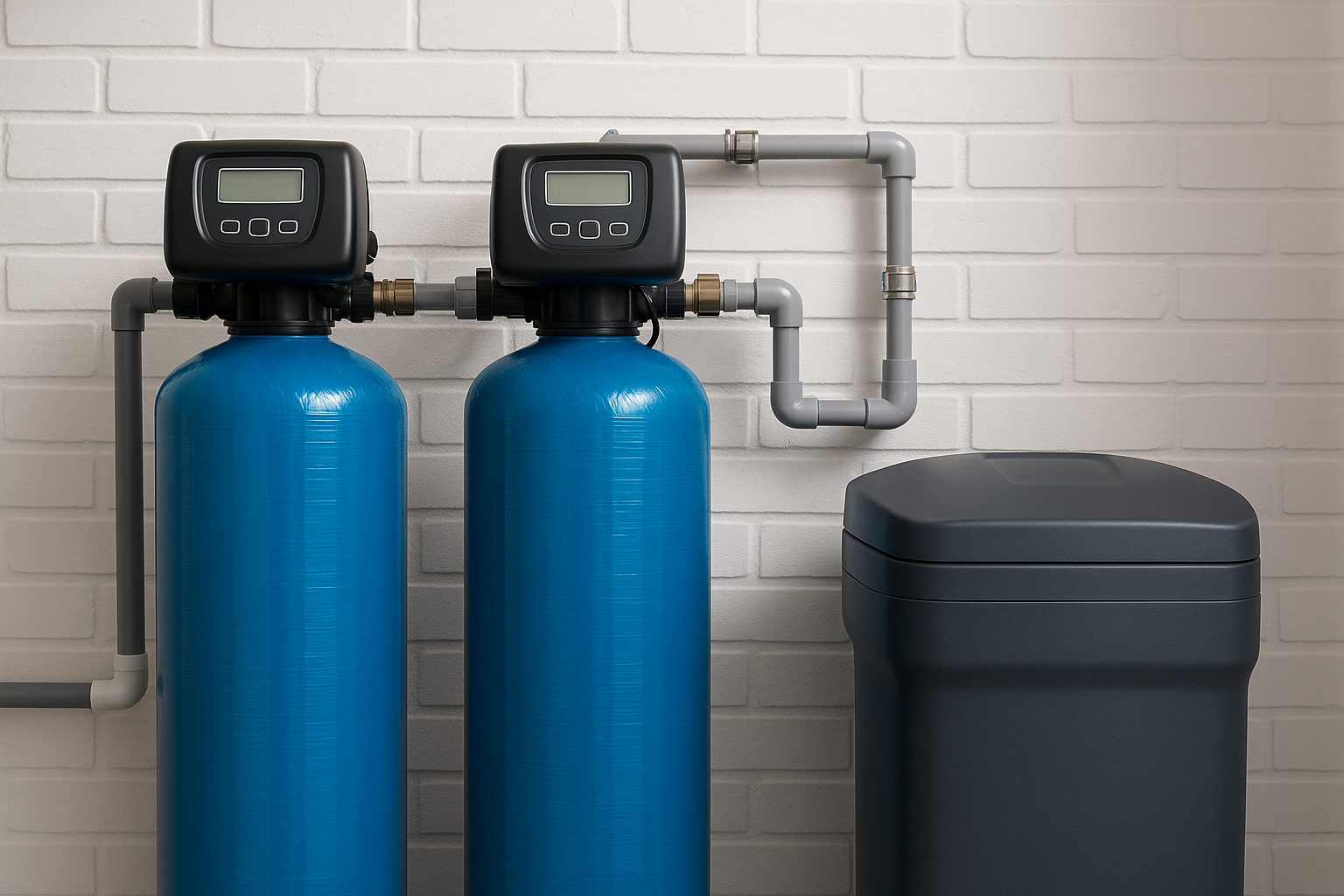
Whole home (or whole-house) systems are installed where water enters the home. They combine filtration to remove contaminants and a water softener to reduce hardness (calcium and magnesium ions). The typical flow is:
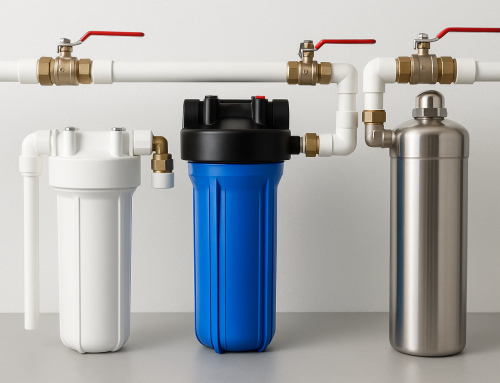
- Incoming water passes through a sediment pre-filter to capture sand and rust.
- A main filtration stage reduces chlorine, organic compounds, heavy metals, or other target contaminants depending on the media used.
- Water flows through a softener that exchanges hardness minerals for sodium or potassium ions, dramatically reducing scale formation.
- Optional post-filters or UV treatment can be added for extra polishing or disinfection.
Key Components
1. Pre-filters and Main Filters
Pre-filters protect the main media by trapping larger particles. Main filters may use activated carbon, catalytic carbon, KDF, or specialized media for iron, manganese, or VOCs. Choice depends on your water test results and goals (taste, odor, chemical reduction).
2. Water Softeners
Most softeners use ion-exchange resin to replace calcium and magnesium with sodium or potassium. That prevents scale buildup on pipes and appliances, improves soap performance, and makes hair and skin feel smoother. Modern systems are efficient, with demand-initiated regeneration to conserve salt and water.
Benefits of Combining Filtration and Softening
- Comprehensive protection: Filtration tackles contaminants, while softening prevents scale—protecting both health and plumbing.
- Improved appliance life: Reduced scale means longer-lasting water heaters, dishwashers, and washing machines.
- Better cleaning and comfort: Softer water improves soap efficiency, reduces spotting on glassware, and leaves skin and hair feeling better.
- Whole-home convenience: No need for separate filters on appliances or individual taps.
Choosing the Right System
Start with a Water Test
Always test your water before selecting a system. A basic test will reveal hardness, pH, iron, and chlorine levels; a comprehensive lab test can identify heavy metals, nitrates, bacteria, or VOCs. Results drive media choice and sizing.
Size and Capacity
Choose a system sized for peak household flow and daily water usage. Undersized systems struggle during high demand; oversized systems waste money. Look for flow rate specs (gallons per minute) and softener grain capacity appropriate to your household size and hardness level.
Features to Consider
- Demand-initiated regeneration for efficiency
- High-quality resin and carbon media
- Backwash and bypass valves for easy maintenance
- Optional UV disinfection if microbiological concerns exist
Installation and Costs
Professional installation ensures proper placement, plumbing connections, and drainage. Costs vary widely based on system complexity, brand, and local labor rates. Expect a range from a few thousand dollars for a standard whole-home filter + softener to higher amounts for multi-stage or high-capacity setups.
For accurate recommendations that match your home’s needs, consider reaching out to Custom Filtration Systems for an appointment. A local expert can test your water, recommend solutions, and provide a clear quote.
Maintenance Tips
- Replace pre-filters as recommended—often every 3–12 months.
- Keep the softener’s salt reservoir filled (if using salt-based systems).
- Schedule periodic resin or media replacement according to manufacturer guidance.
- Have an annual professional check to ensure valves, brine lines, and seals function correctly.
Common Questions
Will a softener remove chlorine or lead?
No. Softeners remove hardness minerals but not chlorine or heavy metals. That’s why combining a carbon filter or other specialized media with a softener gives broader protection.
Are salt-free softeners effective?
Salt-free conditioners help reduce scale through template-assisted crystallization but don’t remove hardness minerals. They can be a low-maintenance option where water hardness is moderate or where salt use is a concern.
Conclusion
Whole home water filtration systems with a softener offer comprehensive improvements: cleaner, better-tasting water, protected plumbing and appliances, and a more comfortable home experience. The right system depends on your water quality, household needs, and budget. For tailored advice and professional installation, consider reaching out to Custom Filtration Systems for an appointment—it’s the quickest way to get a solution that fits your home.