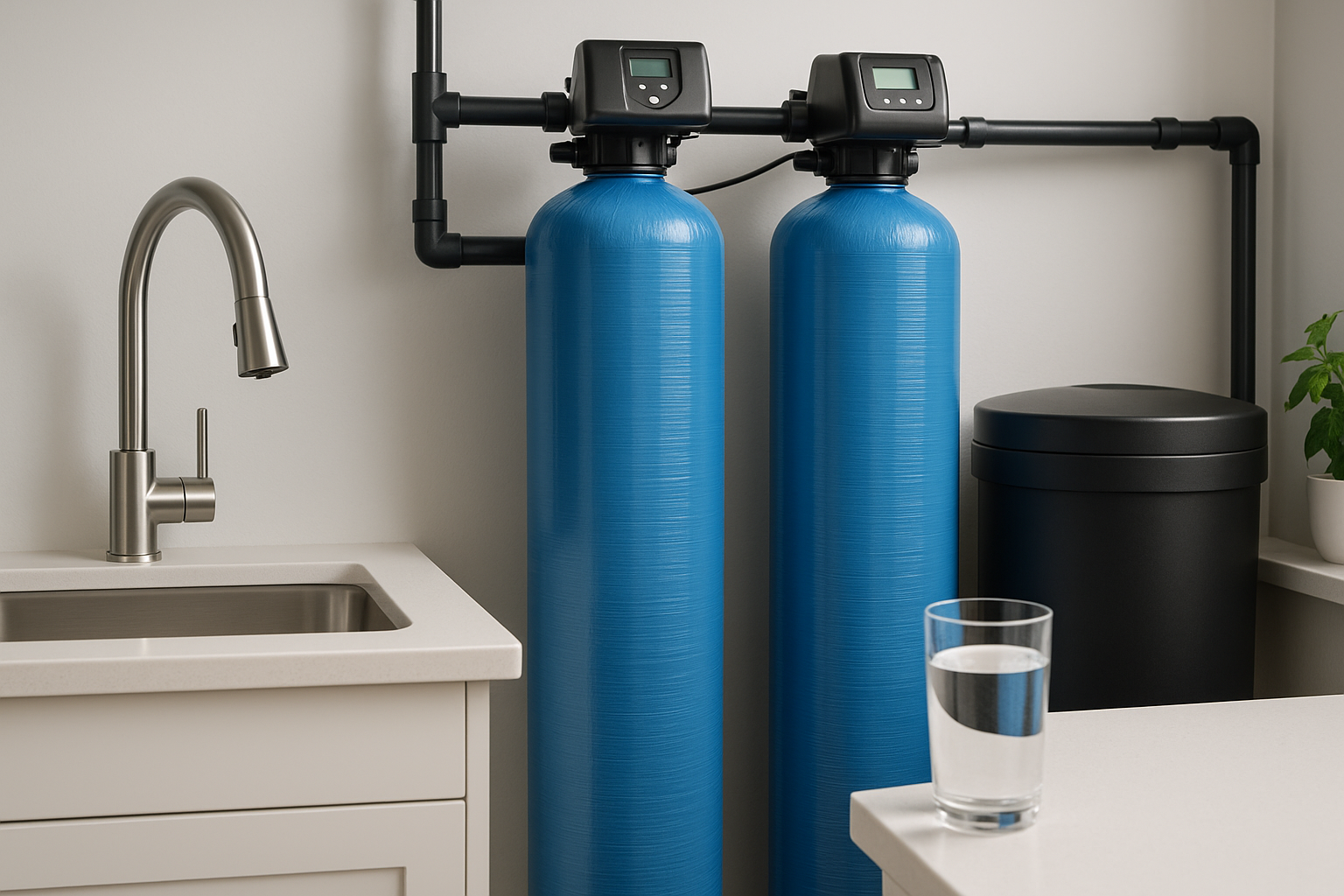
Why Whole Home Water Filtration Matters for Health
Clean water is fundamental to health, but tap water can contain contaminants that affect more than just taste. Whole home water filtration—also called point-of-entry (POE) filtration—treats all water as it enters your home, protecting every faucet, shower, appliance, and family member. Installing the right system reduces exposure to chemicals, heavy metals, and microbial risks that can impact skin, digestion, and long-term health.
Common Contaminants and Health Risks
- Chlorine and chloramine: Used to disinfect municipal water, these can dry skin and hair and form potentially harmful byproducts.
- Lead and heavy metals: Corrosion from old pipes can introduce lead, which is particularly dangerous to children and pregnant people.
- PFAS and VOCs: Emerging contaminants linked to long-term health effects, often from industrial runoff.
- Bacteria and protozoa: Including E. coli and Giardia in poorly treated or private well water.
- Hardness minerals (calcium/magnesium): Not a direct health risk but can aggravate skin conditions and reduce appliance lifespan.
Health Benefits of Whole Home Filtration
Installing a whole home filtration system can deliver noticeable health and lifestyle improvements beyond just better tasting water.
Immediate and Long-Term Benefits
- Improved skin and hair: Removing chlorine, chloramines, and heavy metals reduces dryness, irritation, and color fading for chemically treated hair.
- Reduced chemical exposure: Filtration lowers uptake of disinfection byproducts and VOCs that can accumulate over time.
- Better digestion and hydration: Cleaner water encourages drinking more water and reduces ingestion of unwanted contaminants.
- Healthier home environment: Cleaner water means less soap scum, scale buildup, and fewer opportunities for bacteria to harbor in plumbing.
- Protects appliances: Fewer minerals and sediments extend the life of water heaters, washing machines, and dishwashers—lowering repair-related stress and exposure to appliance breakdowns.
Types of Whole Home Filtration Systems
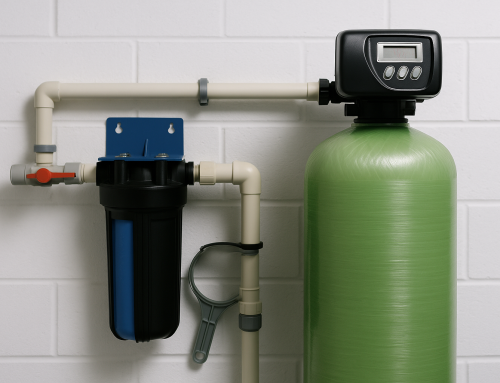
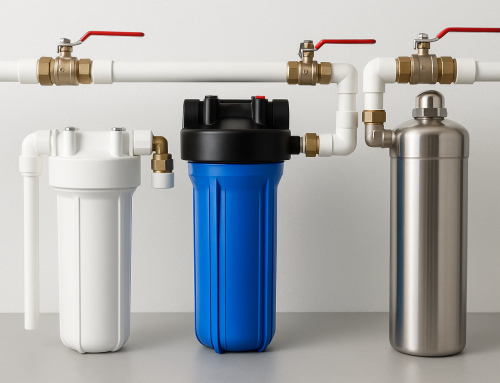
Choosing the right technology depends on the contaminants present, water usage, and budget. Here are common system types:
Sediment Filters
Trap sand, rust, and larger particles. They’re an inexpensive pre-filter that protects downstream components.
Activated Carbon Filters
Highly effective at removing chlorine, chloramines, VOCs, and improving taste and odor. Often used as the primary whole-house solution.
Water Softeners (Ion Exchange)
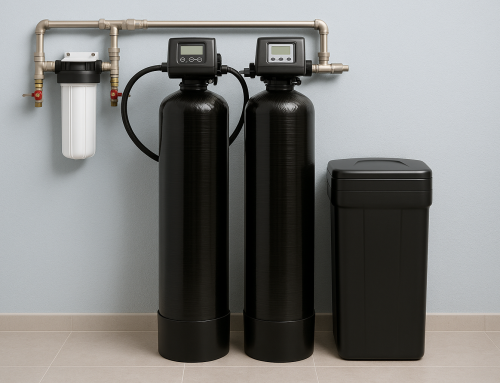
Address hardness by exchanging calcium and magnesium for sodium or potassium, reducing scale and improving soap performance. They don’t remove all chemical contaminants, so pairing with carbon filtration is common.
KDF Media and Catalytic Carbon
Useful for removing heavy metals and enhancing chlorine/chloramine reduction. Often combined with carbon filters for broader protection.
UV Disinfection
Effective against bacteria and viruses. UV doesn’t remove chemicals or particulates, so it’s typically used alongside other filtration stages.
Whole-House Reverse Osmosis (RO)
Provides very high purity but is expensive, reduces water pressure, and can waste water. Many homeowners opt for RO at a single drinking-water tap while using other whole-home methods for bathing and appliances.
How to Choose the Right System
Start with Water Testing
Have your water professionally tested to identify contaminants and concentrations. Private wells should be tested more frequently. Tests guide the specific mix of sediment, carbon, softening, and disinfection you’ll need.
Consider Flow Rate and Household Needs
Choose a system rated for your home’s peak flow to avoid pressure drops. Factor in family size, laundry frequency, and appliances that use water concurrently.
Certifications and Maintenance
Look for NSF/ANSI-certified components for contaminant claims. Understand filter replacement intervals, UV lamp changes, and any media regeneration needs. Regular maintenance keeps the system effective and protects health.
Installation and Maintenance Tips
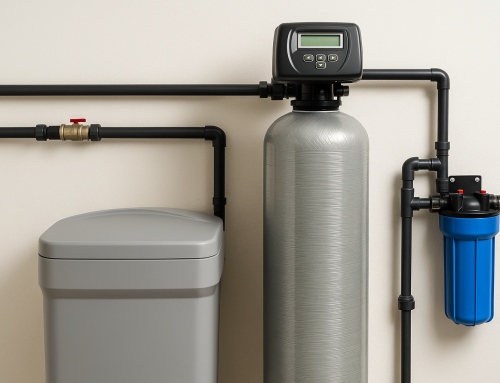
Professional installation ensures proper placement (usually at the main water supply), correct bypass valves, and local code compliance. Maintenance typically involves scheduled filter changes, periodic sanitization, and annual system inspections.
Routine Tasks
- Replace sediment and carbon filters per manufacturer guidance (often every 3–12 months).
- Service water softener resin and regenerate according to salt usage.
- Change UV lamps yearly and clean sleeves to maintain effectiveness.
- Keep a maintenance log and schedule annual professional inspections.
Conclusion
Whole home water filtration is an investment in your family’s health, comfort, and long-term home maintenance. By targeting the specific contaminants in your water and choosing certified systems with regular upkeep, you’ll enjoy safer water for drinking, cooking, bathing, and appliance use. For a personalized assessment and professional installation, reach out to Custom Filtration Systems for an appointment—our team can test your water, recommend the best solution, and keep your system running smoothly.