Introduction
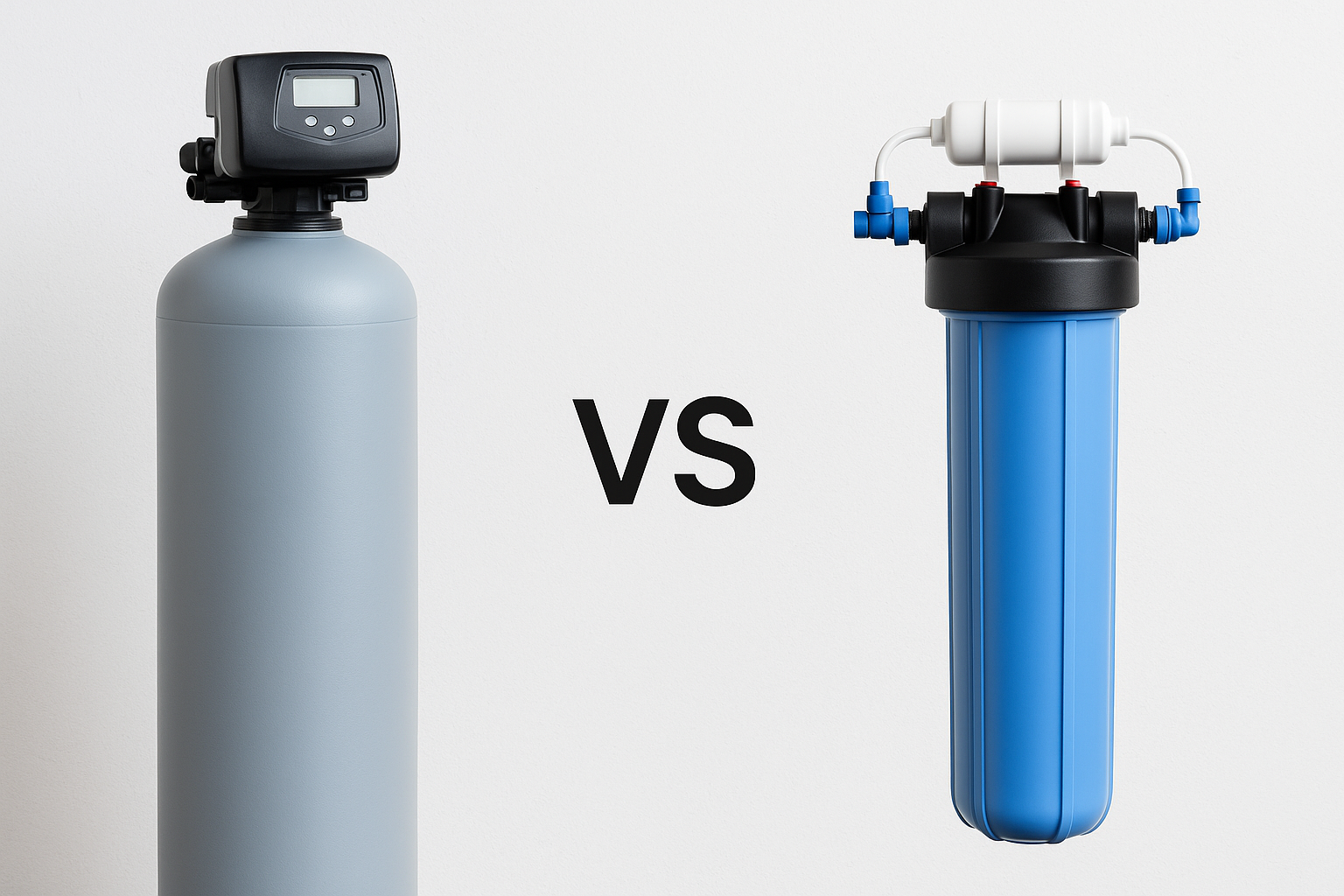
Choosing between a water softener and a water filter is a common dilemma for homeowners. Both systems improve water quality but in very different ways. Understanding their purposes, benefits, limitations, and how they work will help you pick the right solution—or decide if you need both.
How They Work
Water Softeners
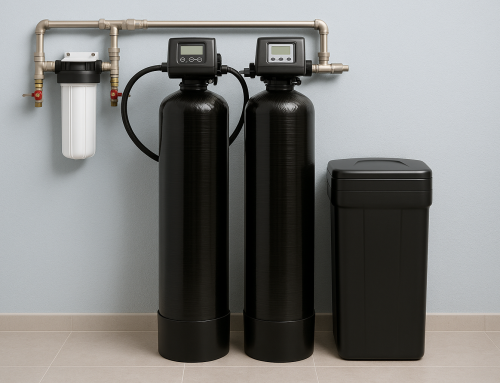
Water softeners use an ion-exchange process to remove hardness minerals—primarily calcium and magnesium—from your water. As hard water passes through resin beads inside the softener, sodium (or potassium) ions replace the calcium and magnesium ions. The result is softened water that reduces scale buildup on plumbing, fixtures, and appliances.
Water Filters
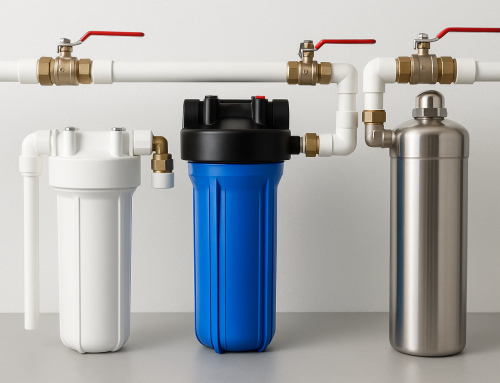
Water filters are designed to remove physical particles, chemicals, and biological contaminants. There are many types of filters—carbon filters, sediment filters, reverse osmosis (RO), UV purifiers, and specialty media—each targeting different contaminants like chlorine, lead, sediment, bacteria, and dissolved solids.
Primary Differences: Purpose and Performance
At a glance, the main difference is that water softeners treat hardness, while water filters remove contaminants that affect taste, odor, safety, and clarity.
- Softening: Reduces scale, extends appliance life, and improves soap performance.
- Filtering: Improves taste and safety by removing contaminants and particulates.
Benefits and Limitations
Benefits of Water Softeners
- Prevents limescale buildup in pipes, water heaters, and fixtures.
- Makes soap and detergents more effective; reduces spotting on dishes and glassware.
- Prolongs the lifespan and efficiency of appliances like dishwashers and washers.
Limitations of Water Softeners
- Does not remove bacteria, viruses, heavy metals, or most chemical contaminants.
- Requires regeneration with salt or potassium and periodic maintenance.
- May add sodium to water (minimal, but a consideration for people on sodium-restricted diets).
Benefits of Water Filters
- Can remove chlorine, lead, pesticides, organic compounds, and sediment depending on the filter type.
- Improves taste, odor, and safety of drinking and cooking water.
- Some systems (RO, UV) offer near-complete purification for specific contaminants.
Limitations of Water Filters
- Not all filters address hardness; a standard carbon filter won’t prevent scale.
- High-performance systems (like RO) can be more expensive and may waste some water.
- Filters require cartridge changes and regular maintenance to remain effective.
How to Choose: Questions to Ask
- What’s in your water? Start with a water test to identify hardness levels and contaminants.
- What problems are you trying to solve? Cloudy or bad-tasting water points toward filtration; scale buildup and poor soap performance point toward softening.
- Do you want whole-home coverage or point-of-use? Softeners typically serve whole-home needs. Filters can be installed either at the main line or at specific taps.
- Budget and maintenance: Factor in installation cost, operating costs (salt, filter cartridges), and lifespan.
Installation and Maintenance
Professional installation is recommended for both systems. Water softeners require periodic salt additions and occasional resin replacement. Filters need regular cartridge or membrane changes and may require pre-filters if water contains high sediment.
When You Might Need Both
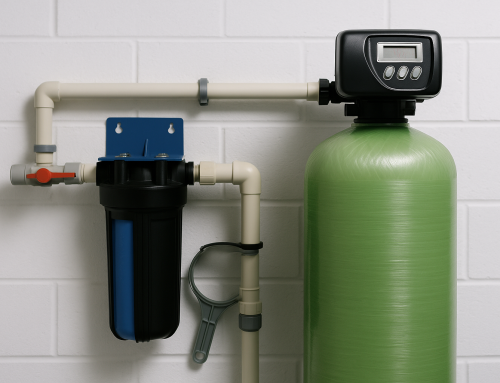
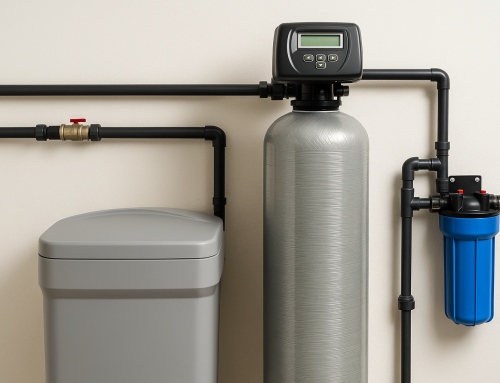
Some homes benefit from a combined approach: a whole-house water softener to protect plumbing and appliances, paired with a point-of-use filter (like an under-sink RO system or a carbon filter) at the kitchen tap for drinking water. This setup addresses both scale and contaminants, providing the best overall water quality.
Common Misconceptions
- “Softened water is unsafe to drink.” Softened water contains slightly higher sodium, but for most people it’s safe; those on strict sodium-restricted diets can use a dedicated drinking-water filter or bypass at the kitchen tap.
- “A filter removes hardness.” Most simple filters don’t remove calcium and magnesium; a softener or specialized filter is needed for that.
Conclusion
Water softeners and water filters serve different but often complementary roles. The right choice depends on your water test results and the specific issues you want to solve. For tailored advice and professional installation, reach out to Custom Filtration Systems to schedule an appointment and find the ideal solution for your home.