Introduction
If your home suffers from scale buildup, dull laundry, or dry skin, a water softener system installation could be the solution. This guide breaks down everything you need to know about installing a water softener, from choosing the right type to post-install maintenance, so you can make informed decisions and enjoy the benefits of softer water.
Do You Need a Water Softener?
Signs of Hard Water
- White or chalky scale on faucets, showerheads, and appliances
- Soap scum and reduced lather from soaps and shampoos
- Spots on glassware and dishes after washing
- Shortened lifespan or decreased efficiency of water heaters and appliances
If you recognize one or more of these signs, testing your water hardness is the first step.
Benefits of Installing a Water Softener
- Reduced scale buildup extends the life of water-using appliances
- Softer skin and hair, and better performance from soaps and detergents
- Improved water heater efficiency and lower energy costs over time
- Cleaner fixtures and less frequent descaling
Types of Water Softeners
Salt-Based Ion Exchange Softeners
These are the most common systems. They exchange calcium and magnesium ions for sodium or potassium, effectively removing hardness. They require periodic salt refills and occasional regeneration cycles.
Salt-Free Conditioners
Salt-free systems use template-assisted crystallization or other technologies to reduce the effects of hard minerals without removing them. They require less maintenance but may not be as effective in very hard water.
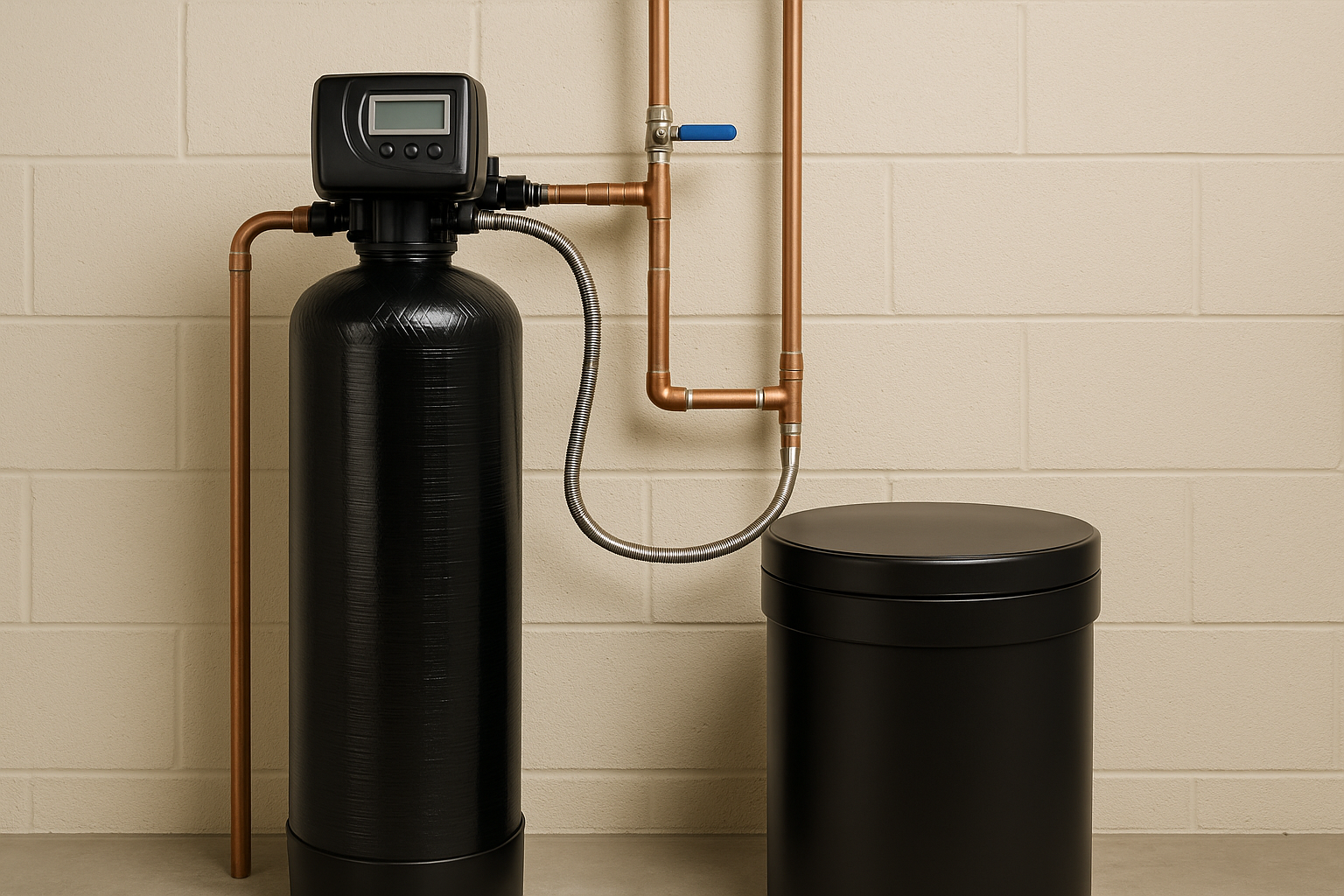
Dual-Tank and Metered Systems
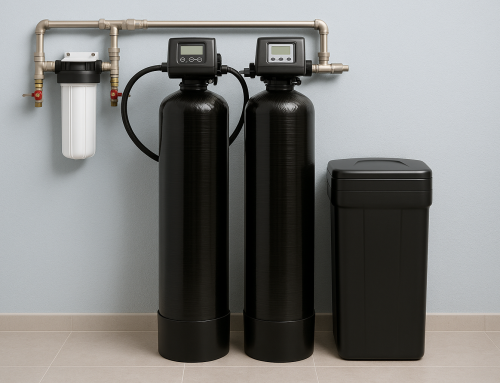
Dual-tank systems ensure continuous soft water during regeneration, while metered systems regenerate based on actual water use, which can save salt and water.
Pre-Installation Considerations
Test Your Water
Start with a water hardness test, either from a lab or a reliable home test kit. Knowing the grains per gallon (GPG) or parts per million (ppm) helps determine the size and type of system you need.
Sizing Your System
Calculate household water use (people x average gallons per person per day) and factor in hardness to choose a softener with appropriate capacity. Oversizing can be wasteful; undersizing causes frequent regeneration.
Location and Drain Requirements
Plan the installation near the main water supply line, a drain for regeneration discharge, and a power outlet if required. Leave enough clearance for servicing and salt refills.
Permits and Local Regulations
Some municipalities regulate water softener discharge or require backflow prevention. Check local codes before installation.
Step-by-Step Installation Overview
Preparation
- Turn off main water supply and relieve pressure by opening faucets
- Prepare tools and materials including fittings, flexible connectors, and a drain line
- Position the softener on a level surface with access to power and drain
Plumbing Connections
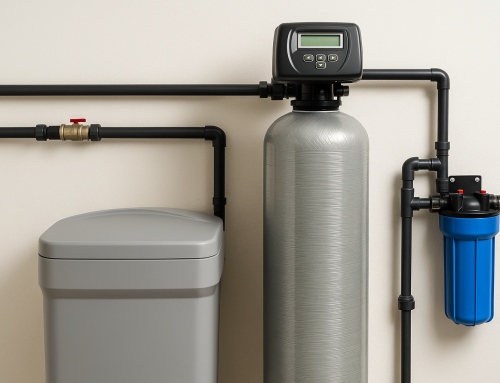
Install a bypass valve so water can bypass the softener for maintenance. Connect inlet and outlet lines in the correct orientation, and secure the drain line to an appropriate drain point. Use fittings and piping rated for potable water.
Programming and Initial Setup
Set the hardness level, regeneration time, and current clock on the softener control head. Fill the brine tank with the recommended salt and run the initial regeneration cycle to flush the system.
Testing After Installation
Check for leaks, ensure the unit cycles correctly, and re-test the water to confirm hardness levels have dropped to expected values.
DIY vs Professional Installation
When DIY Is Appropriate
If you are comfortable with basic plumbing, follow clear instructions, and your installation location is straightforward, a DIY install can save money. Always follow manufacturer guidance and local codes.
When to Hire a Professional
Hire a pro if your plumbing is complex, you need to install backflow prevention, or you want guaranteed performance and warranty-backed service. Professionals can optimize placement, ensure proper sizing, and handle permits.
Maintenance and Troubleshooting
Routine Maintenance
- Refill salt as needed and use recommended salt types
- Clean the brine tank annually to prevent buildup
- Check settings and perform periodic water tests
Common Issues and Fixes
If the system regenerates too often, check for incorrect hardness settings or leaks. If soft water performance declines, inspect for channeling in the resin or exhausted resin that may need professional attention.
Conclusion
Proper water softener system installation improves water quality, protects appliances, and adds daily comfort. Whether you choose to install the system yourself or want professional help, planning, correct sizing, and ongoing maintenance are key. For expert advice and professional installation, reach out to Custom Filtration Systems to schedule an appointment and get personalized recommendations for your home.