Understanding the cost of a well water filtration system
Investing in a well water filtration system protects your family, plumbing and appliances from contaminants like iron, sulfur, sediment, and bacteria. But how much should you expect to pay? The total cost depends on the quality of your water, the type of system you choose, installation complexity, and ongoing maintenance. This guide breaks down those variables so you can budget smartly and choose the right solution.
Factors that affect system cost
1. Water quality and required treatment
The starting point for any cost estimate is a comprehensive water test. If your well only needs a sediment filter, costs are far lower than systems needed to remove high iron, manganese, hydrogen sulfide, hard water minerals, or microbiological contaminants. Multiple contaminants often require multi-stage systems, which increase cost.
2. System type
- Point-of-use (POU) systems like under-sink filters and reverse osmosis (RO): generally less expensive and treat water at a single tap.
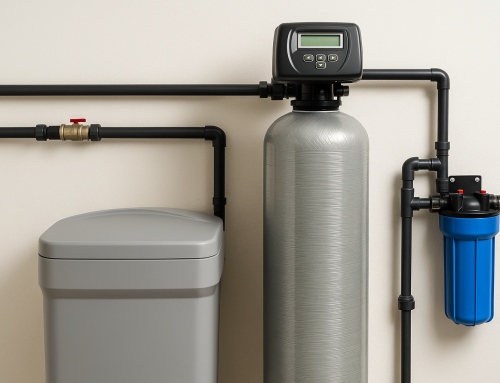
- Point-of-entry (POE) or whole-house systems: treat all water entering the home; typically cost more but protect plumbing and appliances.
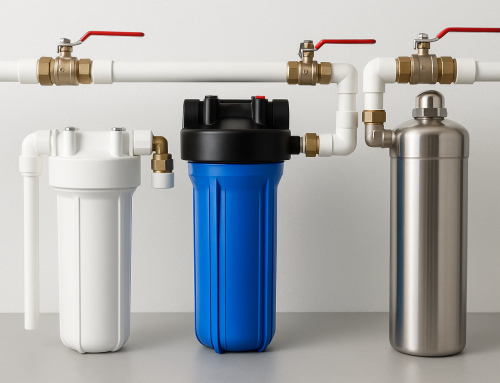
- Specialty systems (UV sterilization, iron filters, water softeners combined with filtration): add to complexity and price.
3. Capacity and flow rate
Homes with higher water demand need larger or multiple units to maintain proper flow, which raises equipment and installation costs.
4. Installation complexity
Installation costs depend on plumbing accessibility, whether new piping or electrical work is required, and how many stages the system has. If the well pump, storage tank or pressure tank needs modification, that adds labor and materials.
5. Certifications, warranties and brand
Certified systems (NSF/ANSI) and well-known brands often cost more upfront but can provide better performance guarantees and longer warranties.
Typical price ranges for common systems
Point-of-use systems (under-sink RO and countertop filters)
Cost: $150–$1,200 for units; $100–$300 for professional installation if needed.
Notes: Reverse osmosis systems are excellent for drinking water at a single tap and remove many dissolved contaminants. They require filter and membrane replacements over time.
Whole-house (point-of-entry) filtration
Cost: $800–$6,000+ depending on capacity and stages.
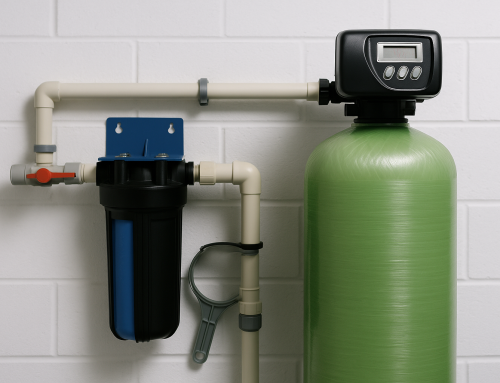
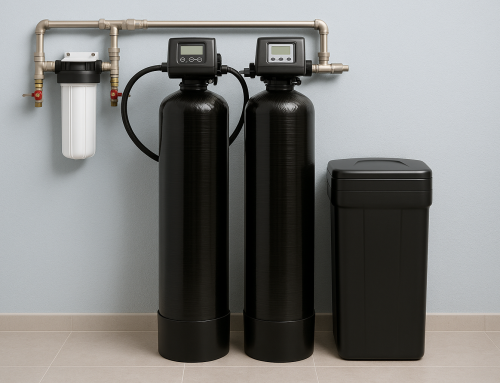
Notes: These provide comprehensive protection to every tap and appliance. Multi-stage setups, including sediment, carbon, and specialized media (iron or arsenic), push costs higher.
Specialty systems
- Iron removal: $1,000–$8,000 depending on iron levels and method (oxidation/greensand/air injection).
- UV disinfection: $400–$2,500 for unit and installation to eliminate bacteria and viruses.
- Whole-house RO (rare and costly): $8,000–$25,000 for large-scale systems.
Installation and ongoing costs
Professional installation vs. DIY
DIY can save on labor but risks improper installation, voided warranties, or missed issues. Professional installers ensure correct sizing, appropriate placement, and code compliance. Expect to pay $200–$1,500 in installation labor depending on complexity.
Maintenance, replacement filters and testing
Ongoing costs include replacement filters, media regeneration or replacement, UV lamp changes, and periodic water testing. Budget $100–$600 per year depending on system complexity. Some media-based systems require service every few years that can cost several hundred dollars.
How to estimate your total cost
Practical steps
- Get a comprehensive lab water test (basic tests are often $50–$200).
- Identify contaminants to be treated and prioritize health risks.
- Compare system types and request multiple quotes from reputable installers.
- Ask about warranties, expected filter lifespans, and annual maintenance expenses.
- Factor in any plumbing or electrical upgrades that may be required.
Financing, rebates and cost-saving tips
Some companies offer financing plans or payment options. Look for manufacturer rebates, local utility incentives, or state programs for water treatment or well upgrades. Cost-saving tips include staging filtration (sediment first, then targeted treatment), buying replaceable cartridges in multi-packs, and maintaining pre-filters to extend life of specialty media.
Choosing the right system for your well
Test first, choose second
A tailored solution based on a test is both more effective and often more cost-efficient than guessing. Treat only what’s necessary to meet health and taste goals.
Work with a trusted professional
Experienced installers will recommend the right-sized equipment, proper placement, and a maintenance schedule. They can also help you calculate life-cycle costs so you understand both upfront and ongoing expenses.
Conclusion
Well water filtration costs vary widely based on water quality, system type, installation complexity, and maintenance needs. Start with a lab water test, compare options, and consider the long-term value of a well-designed system. For a reliable assessment and customized quote, reach out to Custom Filtration Systems to schedule an appointment and get expert guidance tailored to your well.