Introduction
If your home relies on a private well, clean water is essential for health, comfort, and appliance longevity. Carbon filters are a popular, cost-effective option to treat well water—often improving taste, removing odors, and reducing many organic contaminants. This guide explains how carbon filters work, what they remove, their limitations, and how to choose and maintain the right system for your home.
How Carbon Filters Work
Carbon filters use a form of carbon—typically activated carbon—to trap contaminants through adsorption. Adsorption is a surface-level process where contaminants adhere to the porous carbon material. The high surface area of activated carbon makes it effective at capturing a wide range of chemicals.
Types of Carbon Media
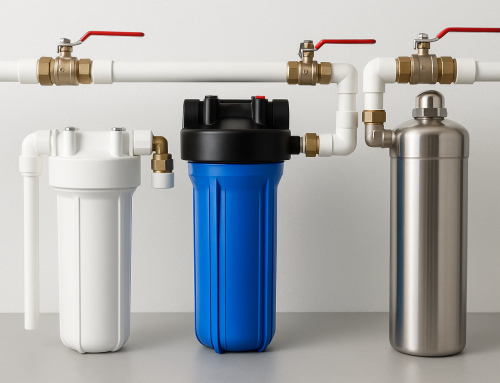
- Granular Activated Carbon (GAC): Loose granules that are good for treating taste and odor issues and many organic chemicals.
- Carbon Block: Compressed carbon with a tighter structure that provides more consistent filtration and often removes smaller particles and more contaminants than GAC.
- Catalytic Carbon: Enhanced carbon designed to handle specific contaminants like chloramines and some sulfur compounds more effectively.
Benefits of Carbon Filters for Well Water
Carbon filtration offers several advantages for homeowners with well systems:
Removes Taste and Odor
Carbon filters excel at removing organic compounds that create unpleasant tastes and odors—common complaints with well water like “rotten egg” sulfur smells.
Reduces Chemical Contaminants
Activated carbon can reduce volatile organic compounds (VOCs), pesticides, herbicides, and some disinfection byproducts. This makes it a strong choice for wells near agricultural areas or older homes with certain plumbing materials.
Protects Appliances and Plumbing
By removing organics and some particulates, carbon filters can extend the life of water-using appliances and reduce staining and buildup in pipes and fixtures.
Limitations and When Carbon Filters Are Not Enough
While versatile, carbon filters are not a cure-all. It’s important to know their limitations so you can select the right combination of treatments.
Biological Contaminants
Carbon filters do not reliably remove bacteria, viruses, or protozoa. If your water tests positive for coliforms or other microbes, you’ll need disinfection methods like chlorination, UV light, or proper shock chlorination of the well.
Hardness and Minerals
Carbon does not soften water. If you have hard water (high calcium and magnesium), consider a water softener or other scale-control technologies in addition to carbon filtration.
Heavy Metals
Standard carbon filters have limited effectiveness against dissolved metals like lead, arsenic, and manganese. Specific media or reverse osmosis systems are often required for those contaminants.
Sizing, Installation, and Maintenance
Choosing the right carbon filter involves matching system capacity and flow rate to your household needs and water chemistry.
Whole-House vs Point-of-Use
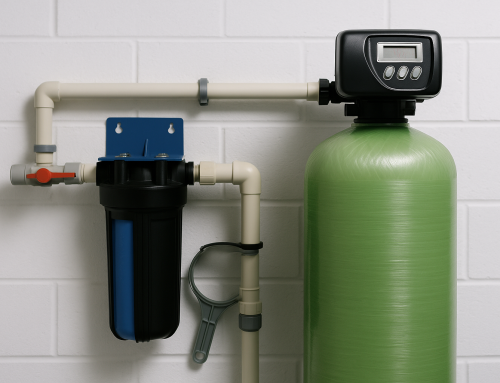
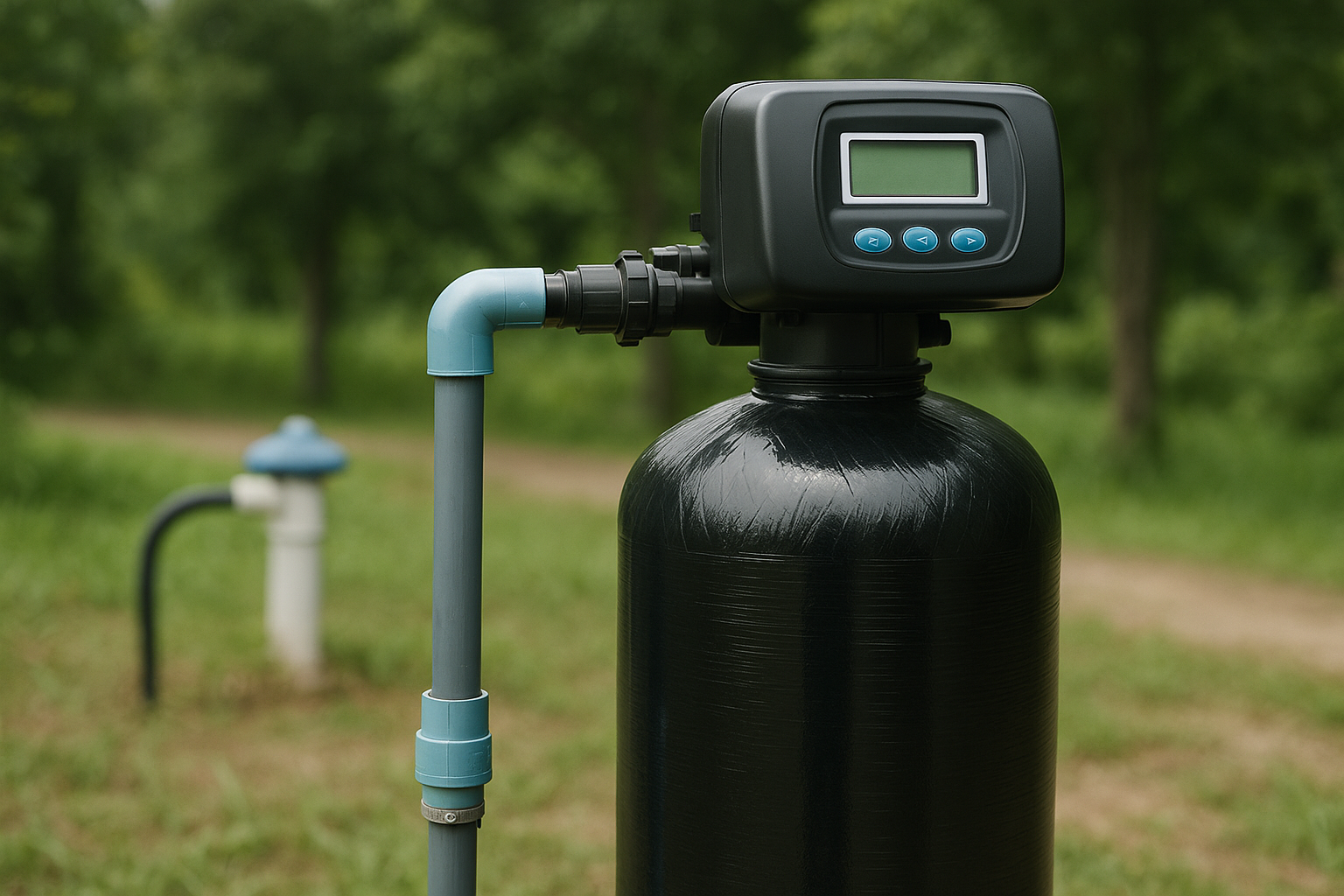
Whole-house (point-of-entry) carbon systems treat all the water entering your home, protecting appliances and plumbing. Point-of-use units, like under-sink carbon filters or countertop systems, target drinking and cooking water only.
Flow Rate and Contact Time
Effective adsorption depends on contact time between water and carbon. Ensure your system’s flow rate allows adequate contact time—this is often why whole-house systems use larger vessels or multiple cartridges.
Maintenance Schedule
Carbon filters require regular cartridge or media replacement. Frequency depends on water quality and usage: typical residential schedules range from 3–12 months for cartridges and several years for larger media beds. Regular maintenance prevents channeling and microbial growth in spent carbon.
How to Choose the Right Carbon Filter
Start with a comprehensive water test. A lab analysis will identify contaminants and concentrations, helping you determine whether carbon alone is sufficient or if other technologies are needed.
Look for Certifications
Choose filters and media certified by organizations like NSF/ANSI for claims such as chlorine, VOC, and cyst reduction. Certification provides assurance that the product performs as advertised.
Combine Treatments When Necessary
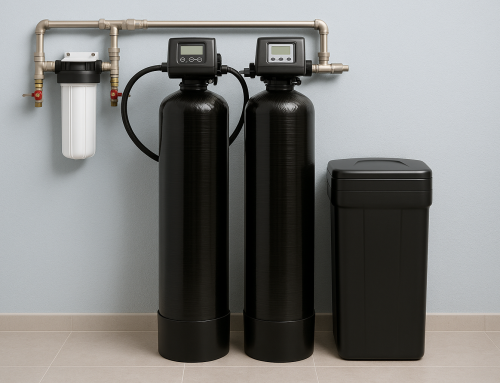
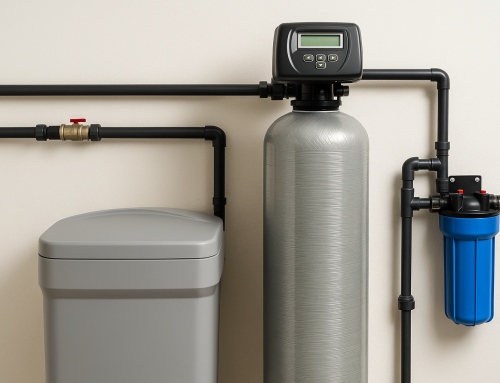
Common pairings include carbon + UV for organics and microbes, carbon + softener for taste plus hardness control, and carbon + RO for high-purity drinking water. A properly designed multi-stage system often offers the best balance of performance and cost.
Costs and Return on Investment
Initial costs vary widely—simple under-sink carbon units can be a few hundred dollars, while whole-house carbon systems can run into thousands depending on media volume and plumbing complexity. Factor in replacement media, labor for maintenance, and potential savings from reduced bottled water use and fewer appliance repairs.
Conclusion
Carbon filters are a proven solution for many well water issues, especially taste, odor, and a range of organic contaminants. They’re most effective when chosen based on a detailed water test and paired with complementary treatments for microbes, hardness, or heavy metals. For tailored recommendations and professional installation, reach out to Custom Filtration Systems to schedule an appointment and get your well water tested. Their team can help design a system that fits your home, budget, and water quality needs.