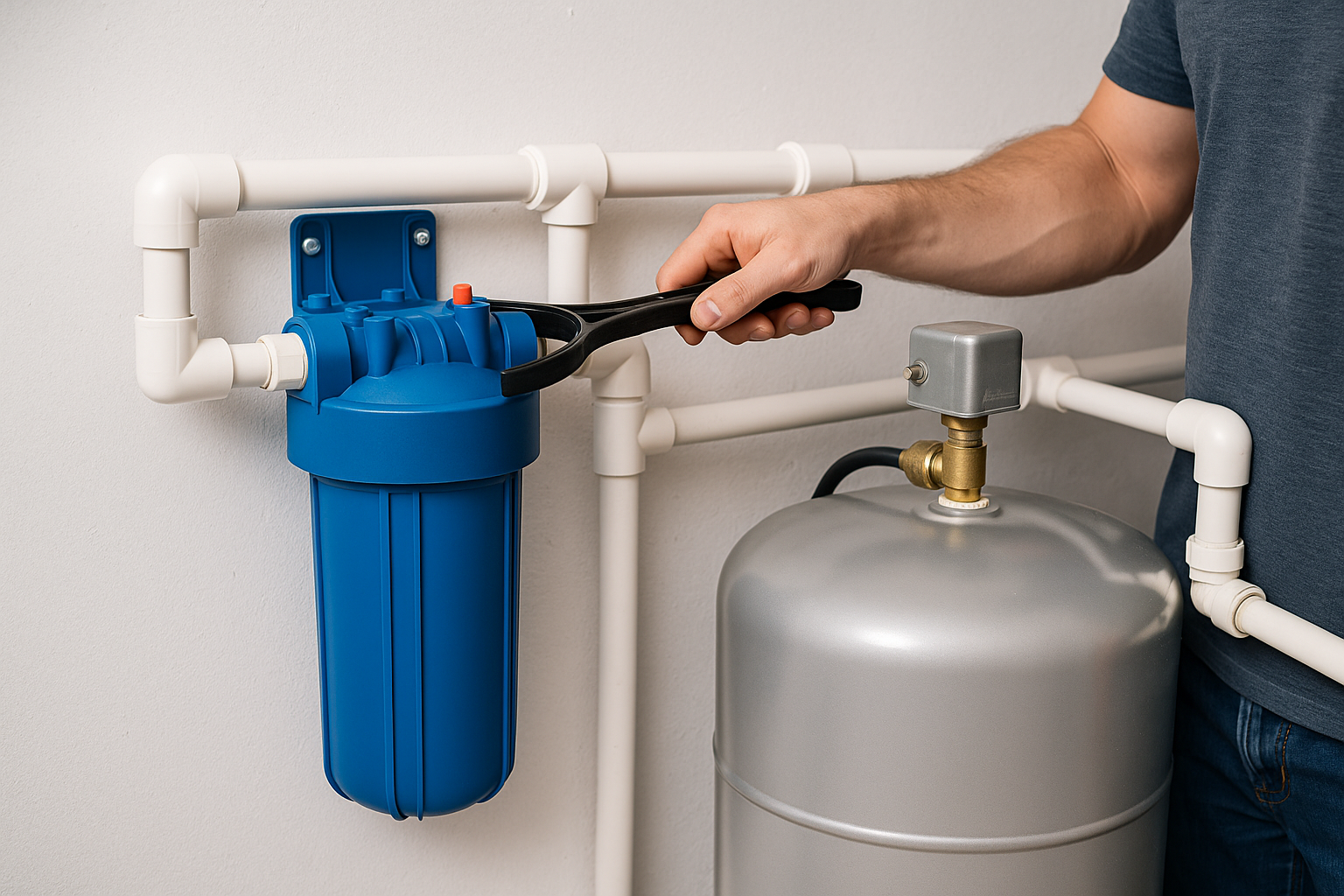
Why Maintaining Your Well Water Filtration System Matters
Well water can be an excellent, cost-effective source for your home, but it requires ongoing attention to stay safe and reliable. A well water filtration system protects you from sediments, bacteria, iron, sulfur, and other contaminants. Regular maintenance keeps the system operating efficiently, extends equipment life, and ensures consistent water quality for drinking, cooking, laundry, and irrigation.
Benefits of regular maintenance
- Better tasting and clearer water
- Reduced risk of plumbing and appliance damage
- Lower long-term repair and replacement costs
- Consistent system performance and flow rate
Routine Maintenance Tasks
Most well filtration systems require a few routine checks and simple tasks performed monthly, quarterly, and annually. Below is a practical checklist to keep your system functioning at its best.
Monthly: Visual checks and flow monitoring
- Look for visible leaks around tanks, valves, and fittings.
- Monitor water pressure and flow—sudden drops often signal an issue.
- Note any changes in taste, odor, or color; early detection helps prevent larger problems.
Every 3–6 months: Replace pre-filters and sediment cartridges
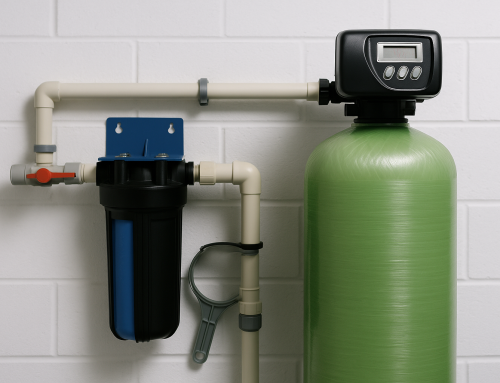
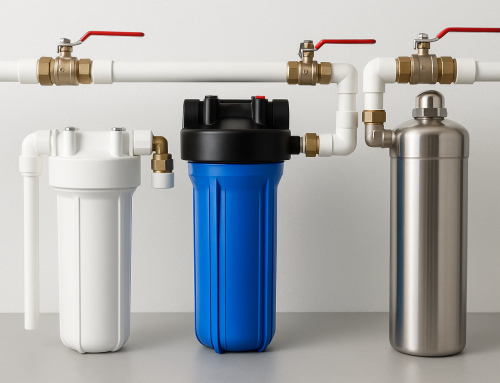
Pre-filters capture sand, silt, and large particles that can clog downstream components. Depending on the sediment load and the filter type, replacement schedules vary, but many homeowners find changing sediment filters every 3–6 months keeps performance steady. Always follow manufacturer recommendations for your specific cartridges.
Annually: Full system inspection and testing
- Have your water tested for common well contaminants like bacteria, nitrates, iron, and hardness.
- Inspect and, if needed, replace carbon filters or media beds in iron/sulfur systems.
- Check pressure tanks, air charge, and control valves for wear and proper operation.
Seasonal and Annual Care
Seasonal changes can affect your well system. Preparing for winter and spring helps avoid freezes and helps you recover quickly after heavy rains or drought conditions.
Winterizing tips
- Insulate exposed pipes and filter housings to prevent freezing.
- Maintain a steady, small trickle of water through external faucets during extreme cold if freezing is a risk.
- Check indoor heating and ventilation to ensure your system stays above freezing temperatures.
Spring checks after heavy rains or flooding
- Retest water if your wellhead was submerged or if you notice cloudy water.
- Inspect well cap and seals for damage, and clear debris around the well area.
Troubleshooting Common Issues
Not all problems require immediate professional intervention—some are simple to identify and fix.
Low water pressure
Low pressure can be caused by clogged pre-filters, a failing pressure tank, or valve issues. Start by replacing sediment filters and checking the pressure tank’s air charge. If pressure doesn’t recover, consult a technician.
Unpleasant odors or tastes
A rotten egg smell usually indicates hydrogen sulfide or sulfur bacteria; metallic taste may point to iron. Carbon filters, chlorination, or specialized media can address these concerns, but testing helps determine the right solution.
Cloudy or discolored water
Cloudiness can be caused by air in the lines or fine particulates. If it persists, have the water tested for iron, manganese, and other suspended solids and consider upgrading filtration media or adding a sediment pre-filter.
When to Call a Professional
Signs you need professional service
- Repeated filter clogging despite replacements
- Persistent bacterial contamination or failed water tests
- Pressure tank failure, leaking tanks, or complex valve issues
- System requires media replacement, backwashing adjustments, or chlorination
Why choose a professional like Custom Filtration Systems
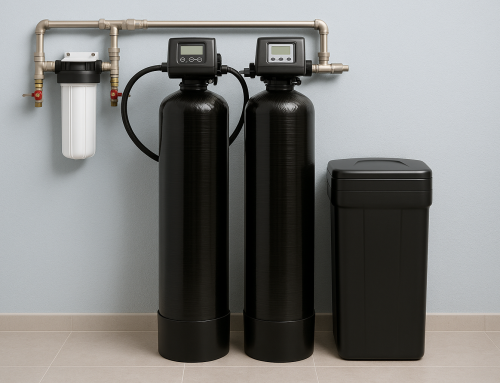
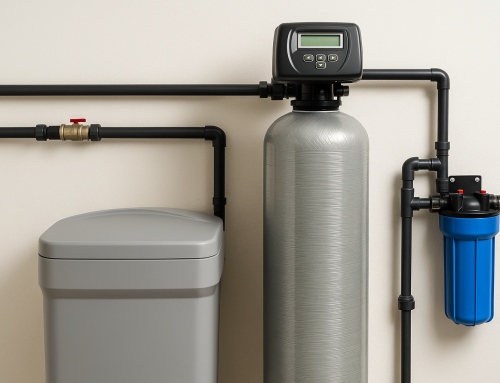
Experienced technicians can perform comprehensive testing, recommend tailored media, and ensure systems like iron removal, water softeners, and UV disinfection are sized and configured correctly. For precise diagnostics and reliable service, reach out to Custom Filtration Systems for an appointment—professional help can save time, money, and ensure your family’s water is safe.
Practical Tips to Extend System Life
- Keep a maintenance log with dates for filter changes, tests, and inspections.
- Use replacement parts specified by the manufacturer to avoid compatibility issues.
- Store spare filters and basic tools so routine maintenance isn’t delayed.
- Schedule annual professional inspections to catch subtle issues early.
Conclusion
Maintaining your well water filtration system is a mixture of routine DIY care and periodic professional support. Regular checks, timely filter changes, seasonal preparation, and professional testing will keep your water clean and your system running smoothly for years. If you’d like expert assistance or a comprehensive system check, reach out to Custom Filtration Systems for an appointment.