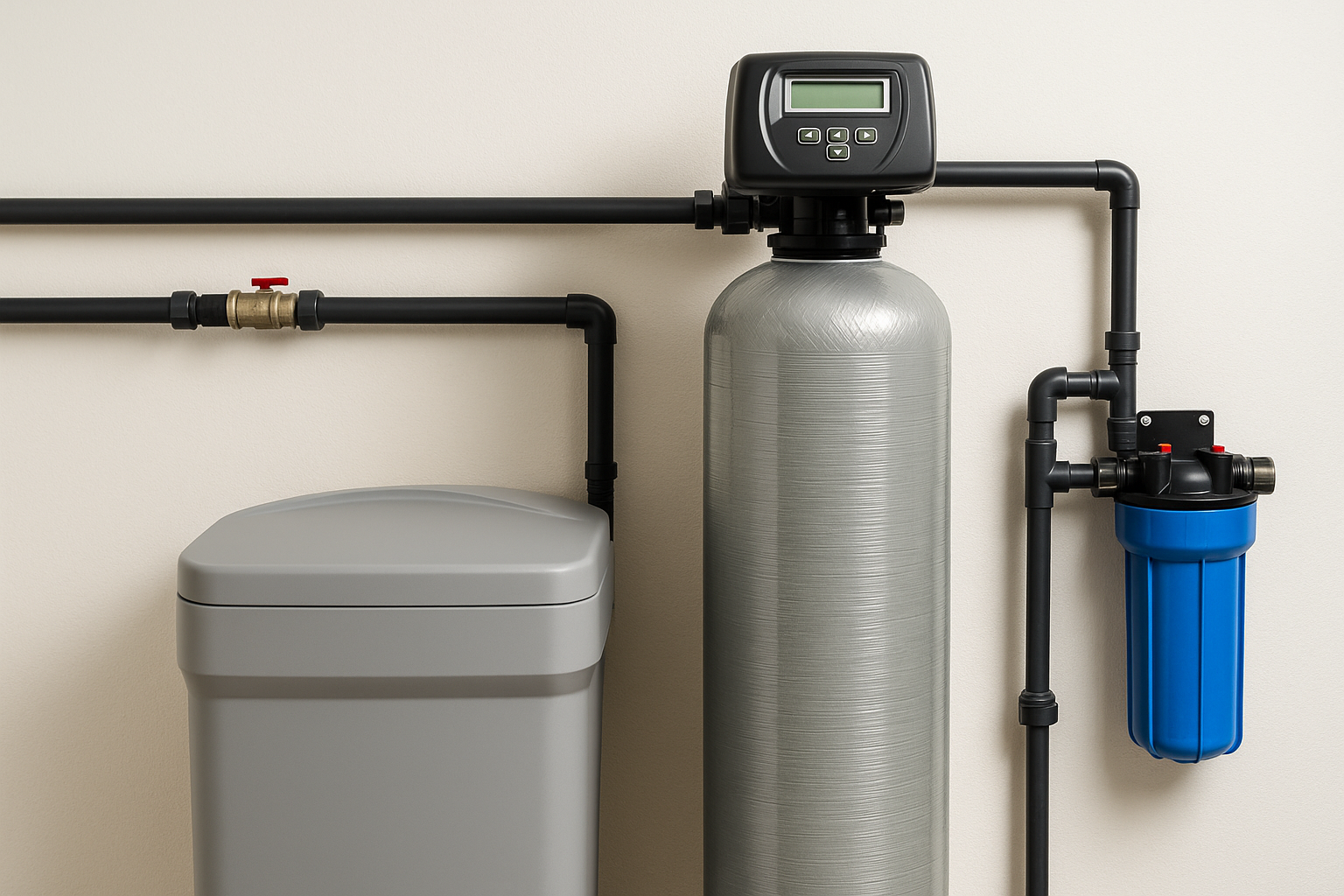
Why Water Softeners Matter
Hard water affects millions of homes, leaving mineral buildup on fixtures, shortening appliance life, and reducing soap performance. A water softener can make a noticeable difference in daily life—from cleaner dishes and softer laundry to longer-lasting water-using appliances. This guide walks through how water softener system reviews work, what to look for, and how to choose the best system for your needs.
How We Review Water Softeners
Key Criteria
- Effectiveness: How well the system reduces hardness (typically measured in grains per gallon).
- Capacity: How much water (or how many grains) the system can treat before regeneration.
- Efficiency: Water and salt usage during regeneration—important for operating cost and environmental impact.
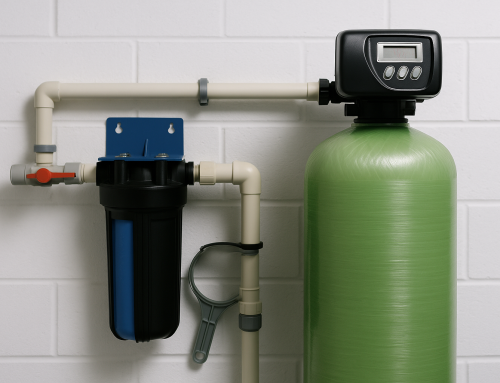
- Type: Salt-based ion exchange, salt-free, dual-tank, or alternative technologies—each has different pros and cons.
- Build quality and warranty: Long warranties and reliable components often indicate better long-term performance.
- User experience: Ease of installation, programming, and maintenance from real owners’ feedback.
Top Types of Water Softeners (Pros & Cons)
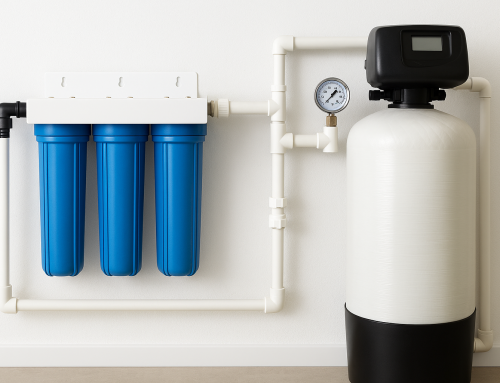
Salt-Based Ion Exchange Softeners
Pros: Highly effective at removing hardness; predictable performance; many sizes available. Cons: Requires salt and periodic regeneration; produces brine discharge.
Salt-Free (Template-Assisted Crystallization)
Pros: Low maintenance, no salt required, environmentally friendlier. Cons: Doesn’t actually remove hardness minerals—rather, it conditions water—which may not prevent all types of scale in severe cases.
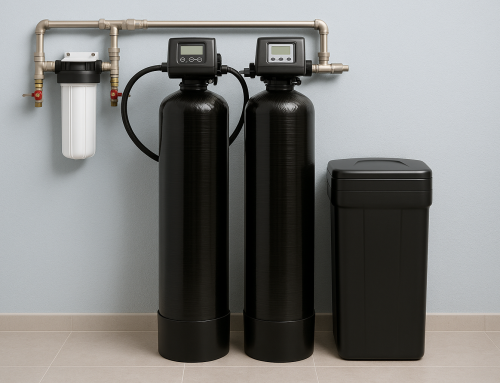
Dual-Tank/Continuous Systems
Pros: Provides softened water 24/7 with no downtime during regeneration—great for large households. Cons: Typically higher initial cost and larger footprint.
Electronic or Magnetic Conditioners
Pros: Easy to install and salt-free. Cons: Mixed results in independent testing—often treated with caution in reviews.
Top Brands & Models (What Reviews Often Highlight)
While individual results vary, reviewers consistently point to a few patterns when evaluating brands:
- Fleck-based systems: Frequently praised for durable valves and reliable performance. The Fleck 5600 series is a popular, budget-friendly choice among homeowners.
- Kinetico: Known for efficient twin-tank designs and solid build quality; often higher price but favorable long-term reviews.
- Culligan: Offers professional installation and service plans—reviewers like the convenience and support network.
- SpringWell & Springfree alternatives: Salt-free and whole-house conditioning systems that receive positive reviews for maintenance simplicity and environmental benefits.
When reading model reviews, pay attention to: how the system performs in homes with similar water hardness, owner-reported maintenance frequency, and whether local service is available for repairs or warranty claims.
Installation & Maintenance Tips
DIY vs. Professional Installation
Many homeowners can install point-of-entry systems, but professional installation ensures correct sizing, optimal placement, and adherence to local plumbing codes. If you’re unsure about plumbing or electrical connections, hire a pro.
Routine Maintenance
- Check salt levels monthly for salt-based systems and use high-quality salt to reduce bridging.
- Sanitize resin tanks annually to prevent bacterial buildup.
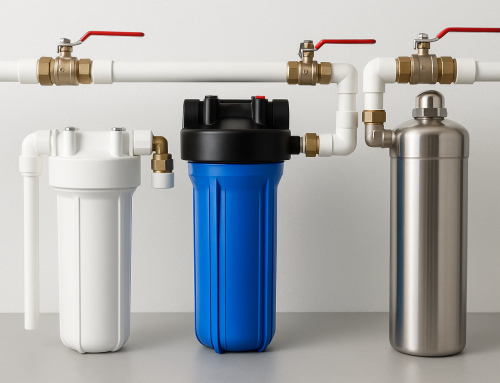
- Replace pre-filters and post-filters per manufacturer recommendations.
How to Read Water Softener Reviews
What to Trust
Trust reviews that include real-world testing details: hardness measurements before/after installation, household size, and water usage. Reviews from verified purchasers are generally more reliable.
Red Flags
- Overly generic praise without technical details.
- Lack of long-term feedback—hard water solutions can reveal issues months after installation.
- Unexplained large performance claims without independent testing or certifications (e.g., NSF).
Choosing the Right System for Your Home
Match system capacity to your household size and water hardness measured in grains per gallon (gpg). Consider operational costs (salt and water use), available space, and whether you want a salt-free or salt-based solution. Local support and warranty terms can also make a big difference to your long-term satisfaction.
Conclusion
Reading water softener system reviews with a clear set of criteria—effectiveness, capacity, efficiency, and support—will help you pick the best option for your home. If you’d like personalized advice or a professional assessment, reach out to Custom Filtration Systems to schedule an appointment and get recommendations tailored to your water profile and household needs.