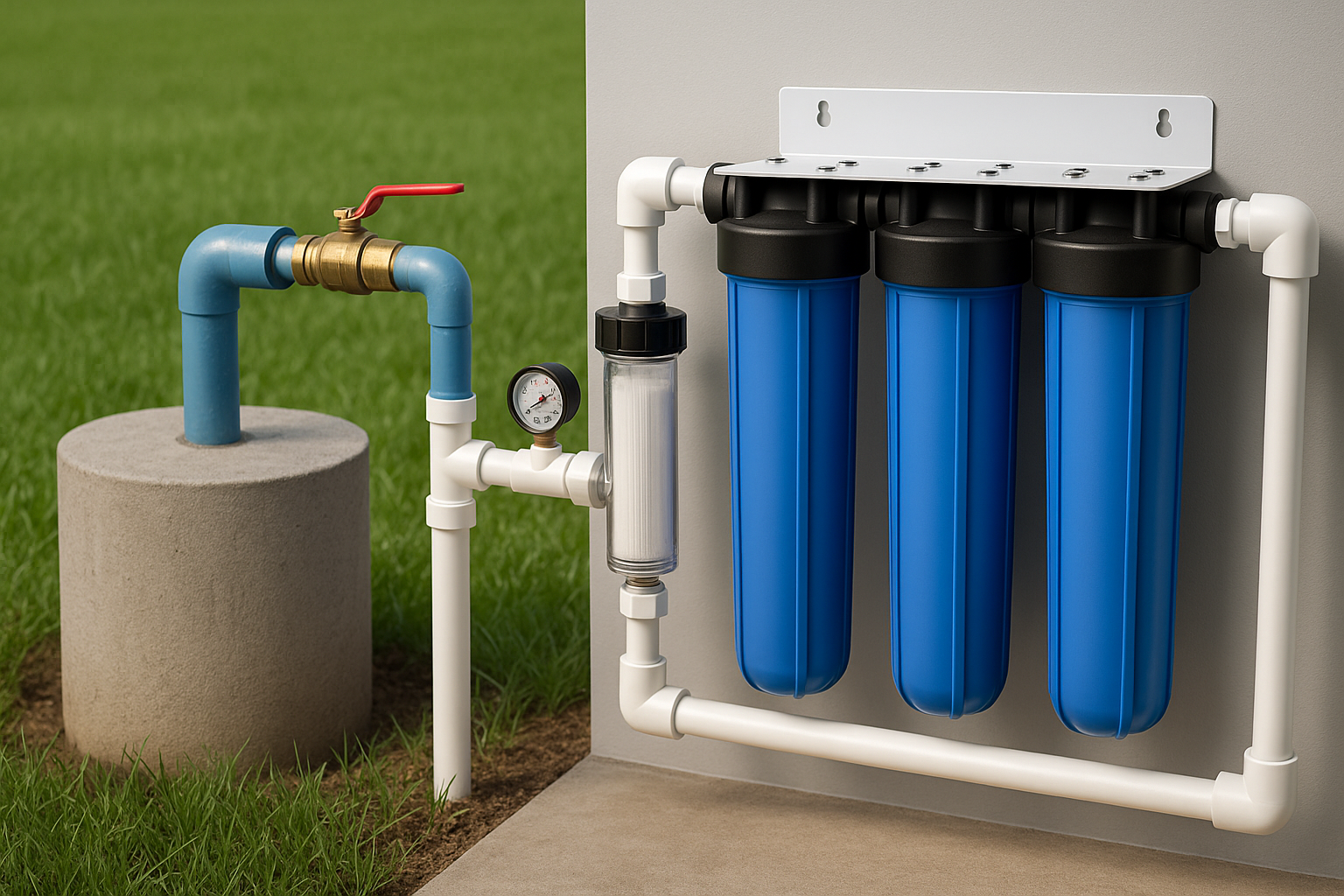
Why Well Water Filtration Matters
If your home relies on a private well, the water you use for drinking, cooking, bathing, and laundry comes straight from the ground — and sometimes that means unwanted contaminants. A reliable well water filtration system protects your family and appliances, improves taste and odor, and provides peace of mind. This guide reviews common filtration technologies, how we evaluate systems, top picks for different needs, and tips to choose the right setup.
Common Contaminants in Well Water
Understanding what might be in your well is the first step to selecting a filter. Typical contaminants include:
- Sediment (sand, silt, clay) that clogs pipes and affects taste.
- Hardness minerals (calcium and magnesium) that cause scale buildup and reduce soap effectiveness.
- Iron and manganese that stain fixtures and can impart metallic flavors.
- Bacteria and viruses such as coliforms that pose health risks.
- Volatile organic compounds (VOCs) and pesticides from agricultural or industrial runoff.
Types of Well Water Filtration Systems
No single system addresses every problem. Most well systems use a combination of technologies:
Sediment Filters
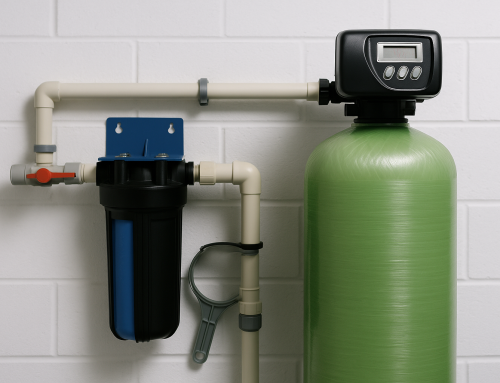
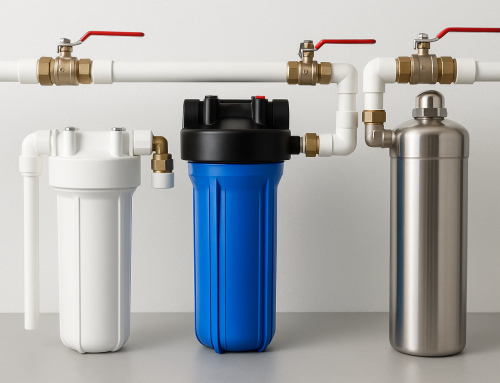
Sediment filters are the first line of defense, trapping particles to prevent clogging and protect downstream equipment. They’re inexpensive, easy to maintain, and come in a range of micron ratings.
Activated Carbon Filters
Carbon filters remove chlorine, organic compounds, and improve taste and odor. They’re excellent for VOCs and many chemicals, but not for dissolved minerals or microbial contamination.
Reverse Osmosis (RO)
RO systems deliver high-purity water by forcing it through a semi-permeable membrane. They’re great for removing dissolved salts, heavy metals, and many contaminants, but typically are used for point-of-use (kitchen) rather than whole-house treatment.
Water Softeners
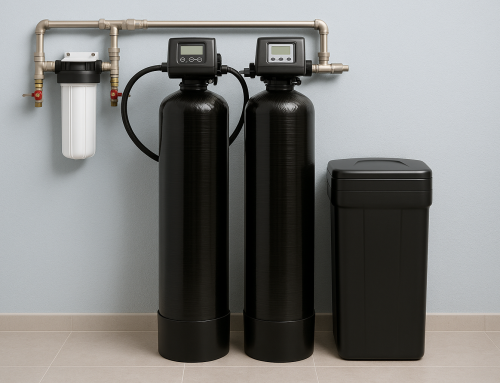
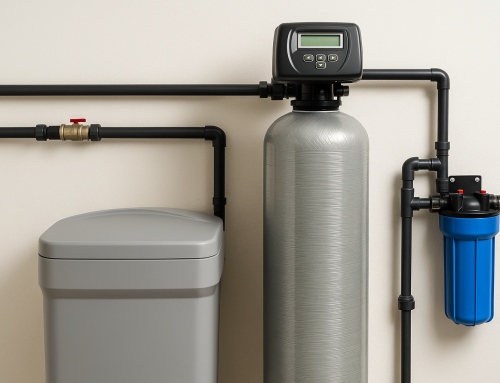
Softening removes hardness minerals via ion exchange, protecting plumbing and appliances. Softeners don’t remove bacteria or many chemical contaminants, so they are often paired with other filters.
UV Disinfection
UV systems effectively inactivate bacteria, viruses, and protozoa without chemicals. They are best used after sediment filtration to ensure clear water for UV penetration.
How We Review Well Water Filtration Systems
Our reviews focus on real-world performance and long-term value. Key criteria include:
- Contaminant removal — Verified performance for specific contaminants.
- Flow rate and capacity — Ensuring adequate water for household needs.
- Maintenance and operating costs — Filter replacement frequency, salt use, and energy needs.
- Build quality and warranty — Durable materials and reliable support.
- Ease of installation — DIY viability or need for professional setup.
Top Well Water Filtration Systems (By Need)
Best Whole-House Systems
Whole-house systems combining sediment, carbon, and iron removal excel for comprehensive protection. Look for systems with professional-grade housings, high-capacity media, and clear warranty terms.
Best for Microbial Safety
For bacterial concerns, a multi-stage setup with sediment filtration, UV disinfection, and optional chlorination gives layered protection. Regular testing is essential to ensure ongoing safety.
Best for Taste and Drinking Water
A point-of-use reverse osmosis system under the sink paired with a dedicated faucet provides the cleanest drinking water and improves flavor, coffee, and cooking results.
Best Budget Options
For smaller budgets, a quality sediment filter and carbon cartridge at the main line can significantly improve water clarity and taste without a large investment.
Installation, Testing & Maintenance Tips
- Start with a comprehensive water test from a certified lab to identify contaminants and guide system selection.
- Install sediment filtration ahead of sensitive components (RO membranes, UV lamps) to extend their life.
- Schedule regular maintenance: replace cartridges, backwash media, and inspect seals annually.
- Consider professional installation for whole-house systems or when dealing with complex well chemistry.
If you’re unsure which system fits your well, reach out to Custom Filtration Systems to schedule an appointment — they can test your water, recommend the best setup, and handle professional installation.
How to Choose the Right System
Match solutions to problems: iron stains call for oxidation and filtration; bacteria require UV or disinfection; dissolved solids often need RO. Balance upfront cost, ongoing maintenance, and the level of purification you need. Prioritize certified systems and look for warranties that reflect manufacturer confidence.
Conclusion
Choosing the right well water filtration system starts with testing your water and understanding your household needs. Whether you need whole-house protection, targeted drinking-water purification, or microbial safety, the right combination of technologies will keep your water safe and pleasant to use. For personalized recommendations and professional installation, contact Custom Filtration Systems to schedule an appointment and take the guesswork out of protecting your home’s water.