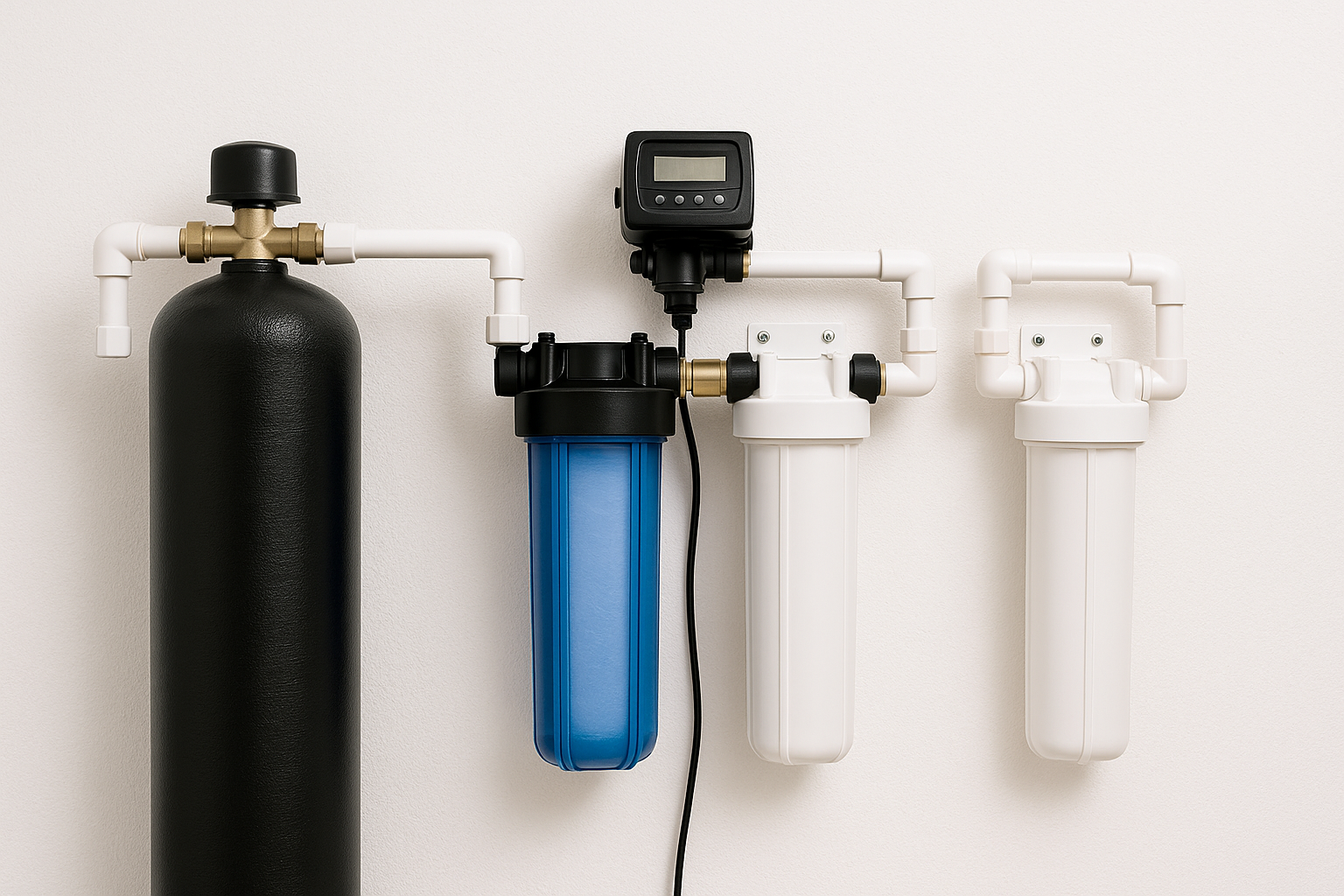
Introduction: Why the Right Well Water Filtration System Matters
If your home relies on a private well, water quality isn’t something you can take for granted. Well water can contain sediment, iron, sulfur, hardness minerals, and even bacteria or nitrate contamination. Choosing the best well water filtration system protects your family’s health, preserves plumbing and appliances, and improves taste and clarity. This guide walks you through the most effective options and how to decide which system fits your needs.
How to Choose the Best Well Water Filtration System
Start with a water test. A comprehensive laboratory test tells you which contaminants are present and at what levels. From there, consider your household size, water usage, budget, and whether you need point-of-entry (whole-house) protection or point-of-use treatment for drinking water.
Key decision factors
- Contaminants detected: Different filters target different issues (iron vs. bacteria vs. hardness).
- Flow rate and household demand: Make sure the system can handle peak flows for showers and irrigation.
- Maintenance and ongoing costs: Filter media replacements, salt for water softeners, and lamp changes for UV systems add recurring expenses.
- Certifications: Look for NSF/ANSI standards when applicable.
Types of Well Water Filters and What They Do
Sediment Filters
Sediment filters remove sand, silt, and particulate matter to protect downstream equipment. They’re usually the first stage in any filtration train.
Activated Carbon Filters
Carbon filters improve taste and odor, reduce chlorine (if present), and can remove some organic contaminants. Catalytic carbon is effective for hydrogen sulfide (rotten egg smell).
Iron and Manganese Removal
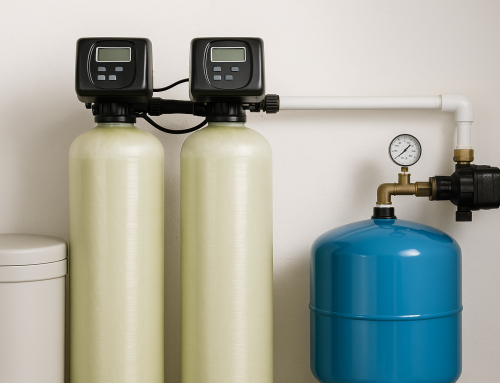
Iron filters (including oxidizing multimedia or greensand filters) and chemical injection systems target iron and manganese staining and metallic taste. Backwashing systems are common for high-iron wells.
Water Softeners
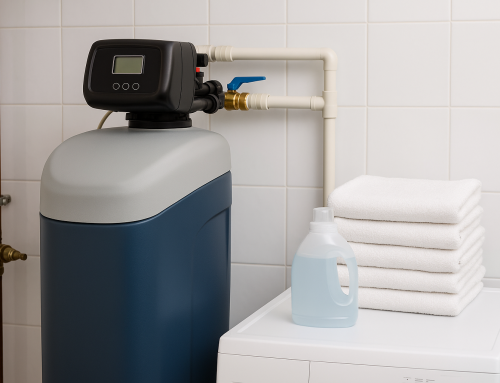
If hardness minerals are high, a water softener (ion exchange) reduces scale buildup and improves soap performance. Consider salt-free conditioners for low-maintenance alternatives, but evaluate performance against your hardness levels.
UV Disinfection
Ultraviolet (UV) systems disinfect water by inactivating bacteria and viruses without chemicals. UV is essential when testing shows microbial contamination, but it should be paired with proper pre-filtration to work effectively.
Reverse Osmosis (RO)
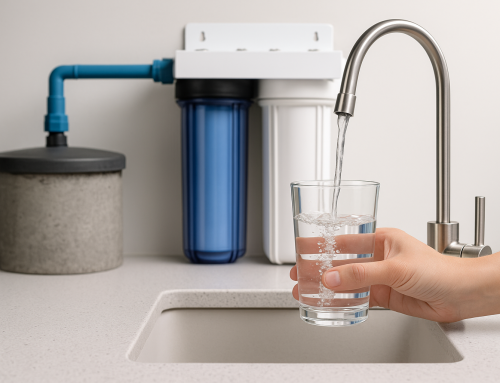
RO systems provide high-level purification for drinking water by removing dissolved solids, nitrates, and many contaminants. They are typically installed at the kitchen sink as a point-of-use solution.
Top System Types by Common Needs
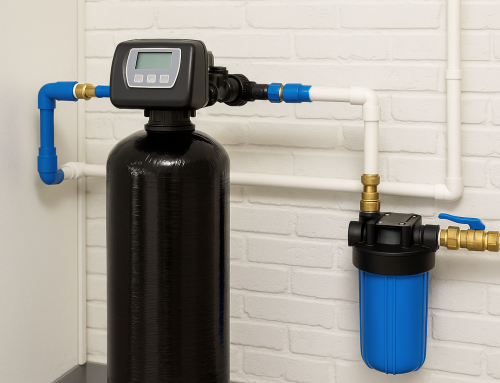
- Best for sediment-heavy wells: Multi-stage whole-house system with a sediment pre-filter and cartridge filters.
- Best for iron and sulfur: Oxidizing media backwash filters paired with catalytic carbon.
- Best for bacteria: UV disinfection combined with pre-filtration.
- Best for drinking water quality: Under-sink RO system with post-carbon polishing.
- Best all-in-one whole-home setup: Combination system that includes sediment removal, an iron filter or softener, and a UV unit if needed.
Installation, Maintenance, and Costs
Professional installation ensures correct sizing, proper pre-filtering for sensitive units (like UV and RO), and code compliance. Maintenance varies: cartridge filters every 3–12 months, media changes every few years, UV lamp replacements annually, and softener salt added regularly. Initial costs range widely—from a few hundred dollars for basic point-of-use units to several thousand for whole-house or multi-stage systems, plus installation.
Testing, Certification, and Warranty
Always rely on third-party testing before and after installation to confirm results. Choose systems with NSF/ANSI certifications relevant to the contaminants you’re treating. Also, check manufacturer warranties and support policies.
DIY vs Professional Installation
Simple point-of-use filters can be installed by handy homeowners, but whole-house systems, pressure tanks, and UV installations benefit from professional expertise. A pro can help size the system to your flow rates and ensure proper bypass and backwash plumbing.
Next Steps: Getting the Right System for Your Home
Start with a detailed water analysis, prioritize the contaminants that matter most, and plan for both upfront and ongoing costs. If you’d like expert guidance, reach out to Custom Filtration Systems to schedule an appointment—they can test your well, recommend the best filtration train, and handle professional installation.
Conclusion
Choosing the best well water filtration system depends on your water chemistry, household needs, and budget. With the right testing, a layered approach (pre-filtration, targeted treatment, and point-of-use polishing), and professional support when needed, you can secure clean, safe, and great-tasting water for your home. Contact Custom Filtration Systems today to get started with an appointment and tailored solution.