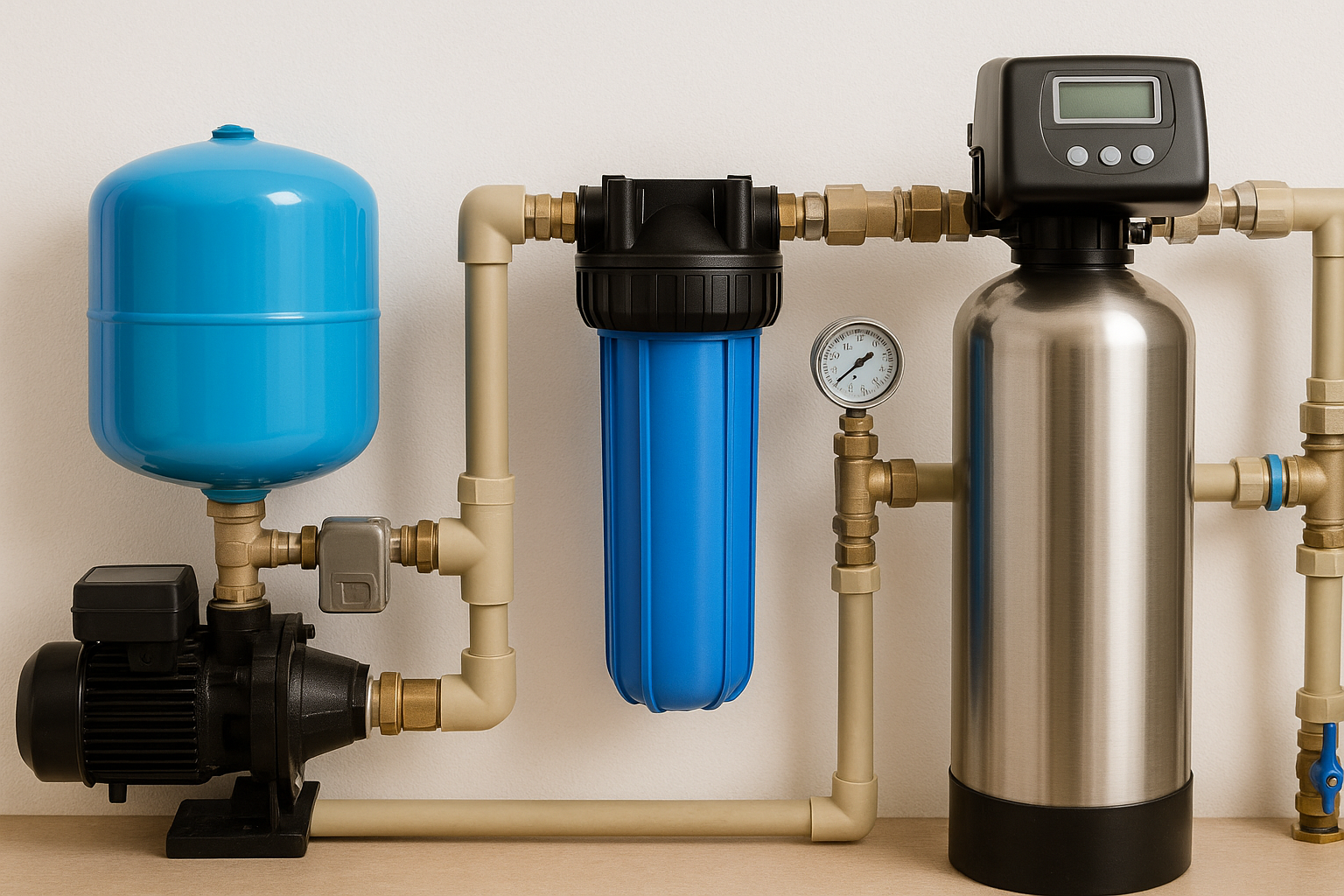
Why Well Water Needs Filtration
Well water can be a reliable and cost-effective source for homes, but it often contains contaminants that municipal water does not. From sediment and iron to bacteria and dissolved minerals, untreated well water can affect taste, smell, plumbing, appliances, and most importantly, your family’s health. A properly selected well water filtration system ensures clean, safe water throughout your home.
Common Contaminants Found in Well Water
Microbial Contaminants
Bacteria, viruses, and parasites such as E. coli, Giardia, and coliforms can enter a well from surface runoff or an improperly sealed casing. These pose acute health risks and require targeted disinfection.
Minerals and Metals
Hard water minerals like calcium and magnesium cause scale buildup, while iron and manganese can stain fixtures and create metallic taste and odors. Arsenic and lead, where present, require specialized removal methods.
Sediment and Organic Matter
Sand, silt, and decaying organic material can clog pipes and filters and contribute to turbidity and unpleasant tastes.
Types of Well Water Filtration Systems
Sediment Filters
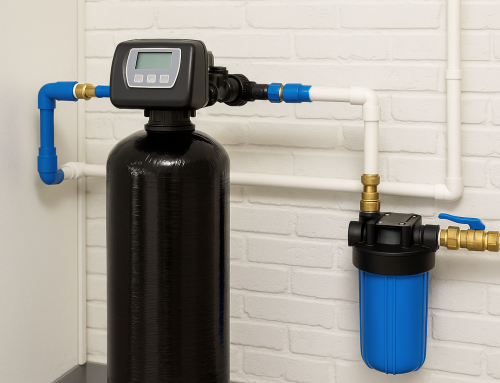
Sediment filters remove particulate matter like sand, rust, and silt. They’re typically the first line of defense and protect downstream equipment and finer filtration media.
Activated Carbon Filters
Carbon filters reduce chlorine (if present), volatile organic compounds (VOCs), pesticides, odors, and taste issues. They work well when you want to address chemical contaminants and improve flavor.
Reverse Osmosis (RO)
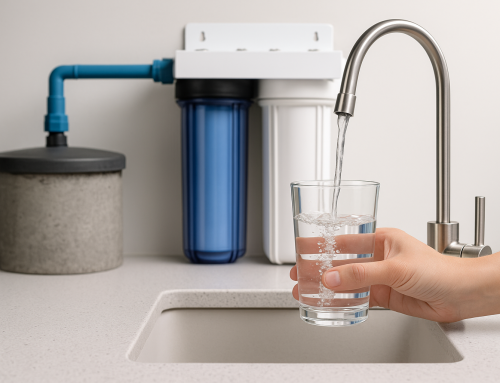
RO systems produce very high-quality water by forcing water through a semipermeable membrane. They’re commonly used for drinking and cooking water at a point-of-use, but are not always practical for whole-house use unless paired with other systems.
Water Softeners
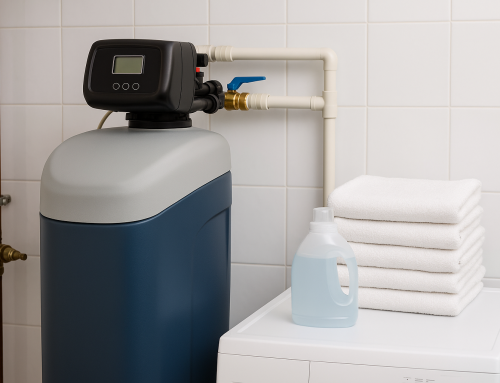
Softeners exchange calcium and magnesium for sodium or potassium to reduce scale buildup. They’re a good choice when hard water is affecting appliances and plumbing efficiency.
UV Disinfection
Ultraviolet systems inactivate bacteria and viruses without chemicals. UV is ideal when microbial contamination is a concern, but it needs clear water to be effective—so sediment filtration beforehand is important.
Whole-House Filtration Systems
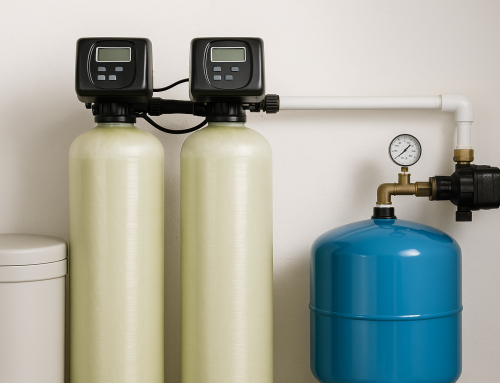
Also called point-of-entry systems, these combine multiple technologies—sediment removal, carbon filtration, softening, or iron removal—to treat all water entering the home. They offer convenience and comprehensive protection for plumbing, appliances, and bathing water.
How to Choose the Right System
Start with a Comprehensive Water Test
Testing your well water is the first and most important step. A lab analysis tells you what contaminants are present and at what concentrations, informing which filtration technologies you need.
Match System Capacity and Flow Rate
Choose a system sized for your household’s flow rate and daily usage. Undersized systems can reduce pressure and wear out faster; oversized systems can be unnecessarily expensive.
Consider Maintenance and Operating Costs
Different filters have varying maintenance needs—replacement cartridges, salt for softeners, or bulb changes for UV systems. Factor in those recurring costs and ease of service.
Look for Certifications
Products certified by NSF/ANSI or other reputable organizations provide third-party validation of performance claims. This is especially important for systems removing health-related contaminants.
Installation and Maintenance
Professional vs. DIY Installation
Some point-of-use systems are suitable for DIY installation, but whole-house systems, softeners, and UV units are best installed by professionals who understand local code, pressure requirements, and proper sanitation procedures.
Routine Care
Keep a maintenance schedule for changing filters, sanitizing tanks, checking pressure, and testing water annually. Regular service preserves system performance and helps detect new issues early.
Cost Considerations and Long-Term Value
Initial costs vary widely depending on technology and home size, from a few hundred dollars for basic point-of-use filters to several thousand for whole-house, multi-stage systems. Consider long-term savings: reduced appliance repairs, lower soap and detergent use, improved appliance efficiency, and better health outcomes can offset upfront costs.
Final Thoughts and Next Steps
Selecting the right well water filtration system begins with accurate testing and clear goals: microbial safety, taste improvement, scale control, or all of the above. A tailored solution protects your family, plumbing, and appliances while giving you peace of mind about the water you use every day.
If you’re unsure where to start or ready to move forward, reach out to Custom Filtration Systems to schedule an appointment—our team can test your water, recommend a system, and handle professional installation and service.
Short Conclusion
Well water filtration is an investment in health, convenience, and long-term savings. With the right testing, system selection, and maintenance plan, you can enjoy clean, safe water throughout your home. Contact Custom Filtration Systems to begin the process with an expert evaluation and appointment.