What Are Eco-Friendly Water Filtration Systems?
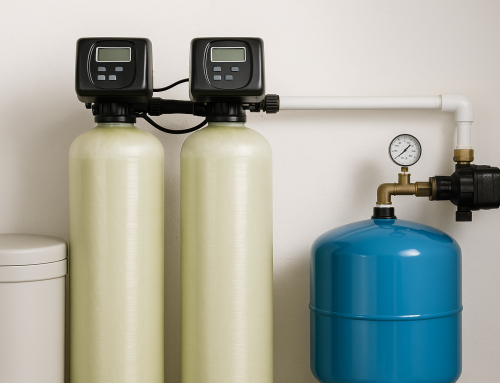
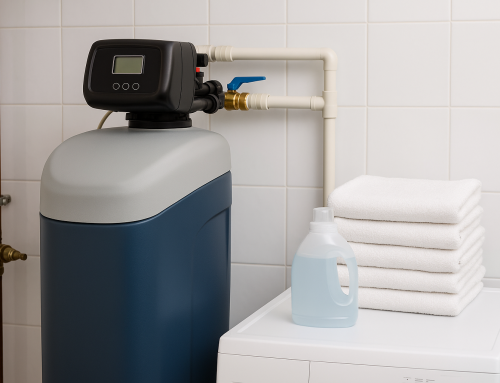
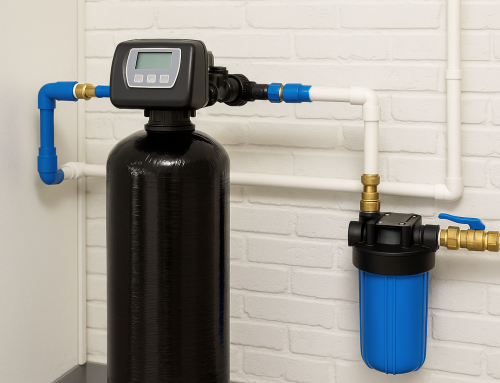
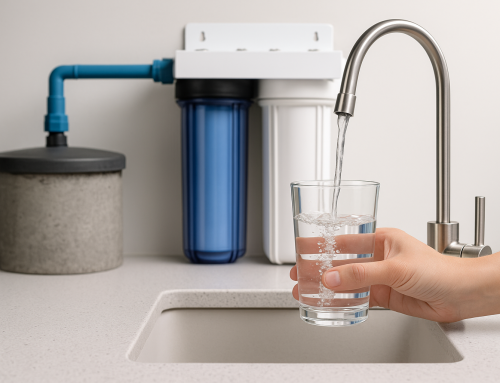
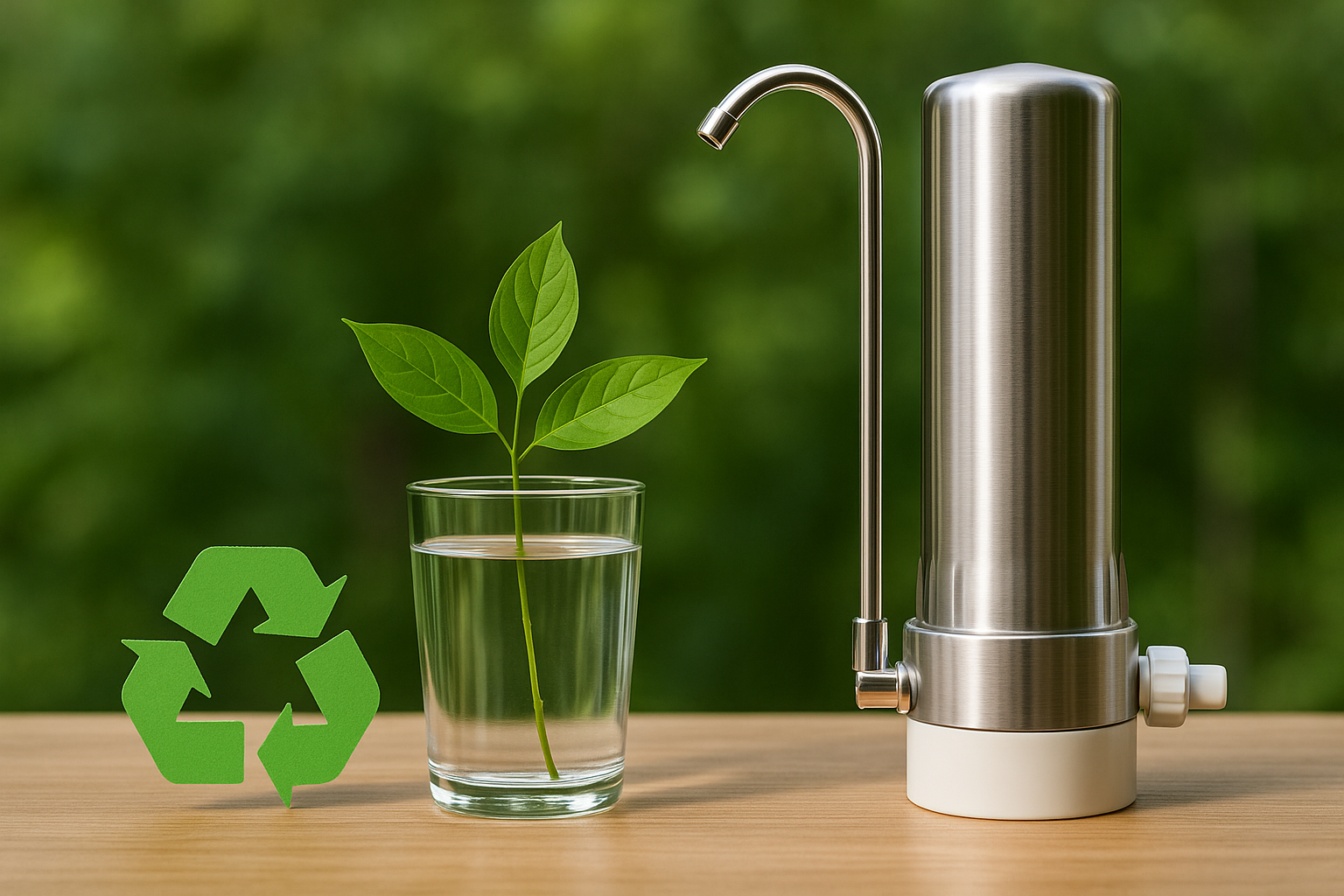
Eco-friendly water filtration systems remove contaminants from drinking water while minimizing environmental impact. These systems prioritize low waste, energy efficiency, recyclable or long-lasting components, and reduced reliance on single-use plastic bottles. Whether you want a point-of-use pitcher, an under-sink unit, or a whole-house solution, there are greener options that protect your health and the planet.
Core Principles of Green Filtration
- Reduce waste: reusable filters, recyclable cartridges, and minimal packaging.
- Energy efficiency: low-power or passive systems that avoid high electricity use.
- Non-toxic materials: BPA-free plastics, stainless steel, glass, and certified media.
- Durability: long service life to lower replacement frequency and resource use.
Types of Eco-Friendly Water Filtration Systems
Not all filtration systems are equally green. Here are common technologies with eco-friendly variants:
Activated Carbon Filters
Activated carbon excels at removing chlorine, volatile organic compounds (VOCs), and improving taste and odor. Look for granulated or block carbon filters with replaceable, recyclable housings or long-life cartridges to reduce waste.
Ceramic and Gravity Filters
Ceramic filters are durable, often washable, and can last for years with proper care. Gravity-fed systems require no electricity, making them ideal for low-energy households and off-grid living.
Low-Waste Reverse Osmosis (RO) and Energy Recovery
Traditional RO systems can waste water, but newer models feature permeate pumps, recirculation, or concentrate recycling to cut wastewater by up to 80%. Pairing with a well-designed storage and reuse strategy improves sustainability.
Ultraviolet (UV) and Combined Systems
UV disinfection is chemical-free and effective against microbes. When combined with mechanical filters or carbon, it creates a comprehensive yet eco-conscious solution. Choose UV systems with energy-saving ballasts or solar-compatible designs.
Benefits of Choosing Eco-Friendly Systems
Investing in greener filtration brings multiple advantages beyond cleaner water:
- Environmental impact: Less plastic waste and lower water and energy use.
- Health and safety: Fewer chemicals and reliable contaminant removal.
- Cost savings: Lower long-term costs when filters are durable and waste is reduced.
- Convenience: High-quality point-of-use systems reduce the need to buy bottled water.
How to Choose the Right Eco-Friendly System
Choosing the right system depends on your water quality, household needs, and environmental priorities. Follow these steps:
1. Test Your Water
Start with a municipal report or a professional water test. Knowing contaminants (lead, nitrates, microbial content, etc.) helps you select appropriate technologies.
2. Check Certifications and Materials
Look for NSF/ANSI certifications, recyclable parts, and BPA-free housings. Ask vendors about end-of-life recycling programs for cartridges or housings.
3. Consider Maintenance and Lifespan
Choose filters with clear replacement intervals, washable components, and easy-to-recycle parts. Systems with longer-lasting elements often produce less waste over time.
4. Evaluate Installation and Energy Needs
Decide between point-of-use (tap, under-sink) and whole-house systems. For minimal energy use, prioritize gravity, ceramic, or low-power UV options.
Maintenance Tips to Maximize Eco Benefits
- Follow manufacturer replacement schedules to maintain performance and avoid wasted water from clogged filters.
- Reuse pre-filters if washable and compost or recycle where possible.
- Choose subscription services that provide recycling or take-back programs for used cartridges.
- Record filter changes to avoid premature replacements and extend component life.
Cost Considerations and Return on Investment
Higher upfront costs for sustainable systems often pay off through reduced filter replacements, lower water waste, and savings from avoiding bottled water. Calculate total cost of ownership by considering initial price, replacement filter costs, disposal fees, and energy consumption over the system’s expected life.
Real-World Example
A household switching from bottled water to a certified under-sink eco filter can recover the system cost in 1–3 years, depending on bottled water consumption. Add the environmental benefit of preventing hundreds of plastic bottles from entering landfills or waterways.
Final Thoughts
Eco-friendly water filtration systems are practical, effective, and increasingly accessible. By prioritizing low waste, energy efficiency, and durable materials, you can protect your family’s health while reducing environmental impact. If you’re ready to explore options tailored to your water and household, reach out to Custom Filtration Systems to schedule an appointment and get personalized recommendations.