Introduction
Hard water causes scale buildup, reduces appliance life, and leaves spots on dishes and fixtures. Choosing the right water softener can protect your plumbing and improve everyday comfort. Two common approaches are salt-based and salt-free water softeners. This guide explains how each works, their pros and cons, cost and maintenance considerations, and how to decide which is best for your home.
How Water Softeners Work
Salt-Based (Ion Exchange)
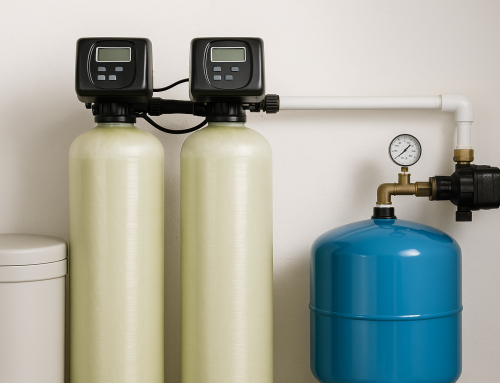
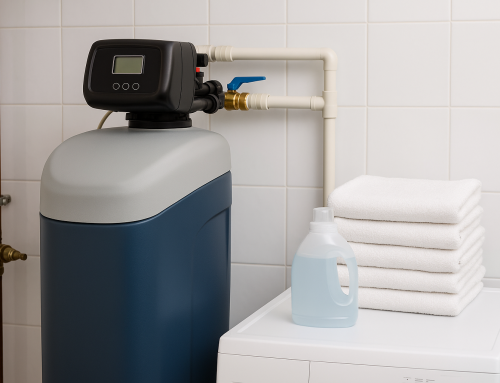
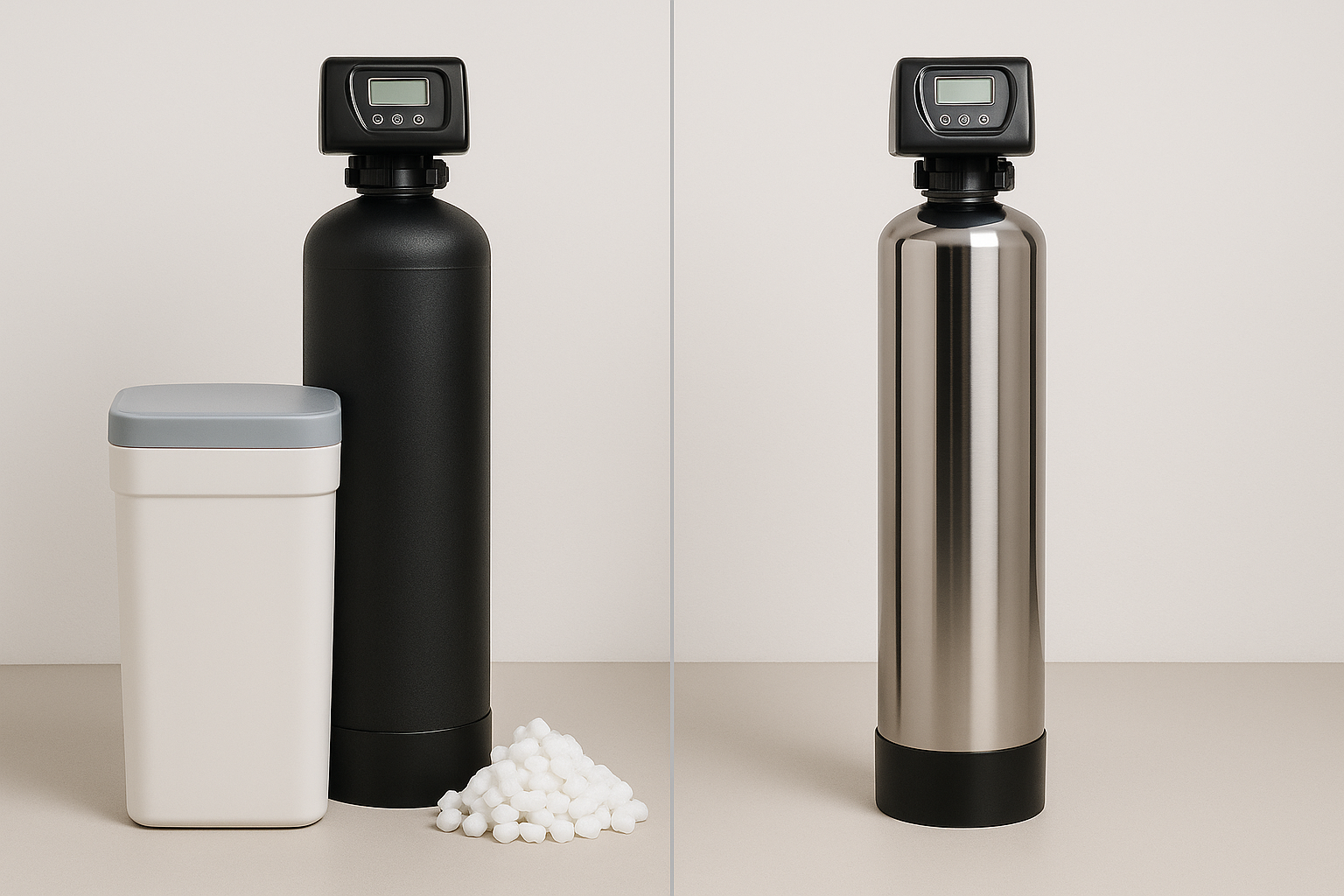
Salt-based systems, often called ion exchange softeners, remove hardness minerals (calcium and magnesium) from water. Water passes through a resin bed charged with sodium (or potassium) ions. The resin swaps sodium for hardness ions, effectively softening the water. Periodically the system regenerates using a salt brine to recharge the resin.
Salt-Free (TAC, Chelation, or Template-Assisted Crystallization)
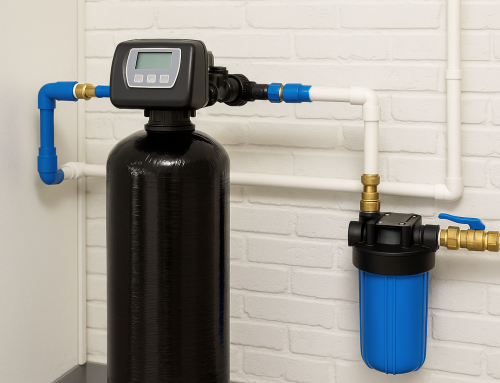
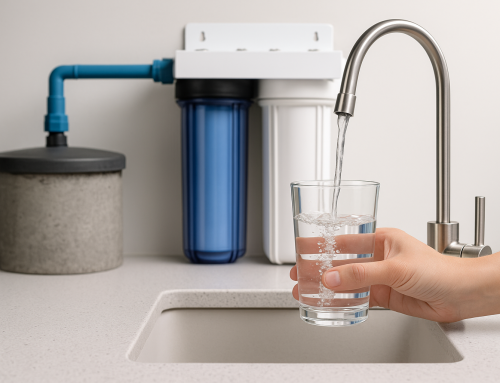
Salt-free softeners do not remove hardness minerals. Instead, they change how minerals behave to prevent scale buildup. Common methods include template-assisted crystallization (TAC), which converts dissolved hardness into microscopic crystals that remain suspended and won’t adhere to surfaces, and chelation/conditioning technologies that inhibit scale formation. These systems typically require no salt or brine regeneration.
Pros and Cons
Salt-Based Pros
- Effectively removes hardness, delivering true soft water for bathing, laundry, and appliances.
- Improves soap lather and reduces detergent use.
- Proven technology with long-term performance when properly maintained.
Salt-Based Cons
- Requires regular addition of salt (sodium or potassium) and periodic maintenance.
- Adds a small amount of sodium to softened water—may be a concern for those on strict low-sodium diets (potassium is an alternative).
- Discharges salt brine during regeneration, which some municipalities regulate or restrict due to environmental concerns.
Salt-Free Pros
- Low maintenance—no salt to buy and no brine discharge.
- Environmentally friendly option for areas with restrictions on salt discharge.
- Helps reduce scale buildup and is often adequate to protect plumbing and appliances in moderate-hardness situations.
Salt-Free Cons
- Doesn’t actually remove hardness minerals, so water won’t feel soft in the same way as ion-exchanged water.
- Effectiveness varies with water chemistry and hardness levels—may be less reliable in very hard water.
- Some conditioning technologies require periodic cartridge replacement.
Performance and Effectiveness
For homes with very hard water (e.g., higher than 10–12 grains per gallon), salt-based softeners are typically more effective at reducing scale and improving the feel of water. Salt-free systems perform well for moderate hardness and are excellent at controlling scale rather than removing minerals entirely. If you want true soft water for laundry, bathing, and spot-free glassware, salt-based systems usually deliver superior results.
Maintenance, Cost, and Environmental Impact
Maintenance
Salt-based systems require salt replenishment every 4–8 weeks depending on usage, plus occasional resin servicing. Salt-free systems often need less frequent attention—typically annual cartridge changes or a periodic check.
Cost
Initial costs can be similar, although high-end salt-free systems may be pricier upfront. Operating costs differ: salt-based units have ongoing salt and water costs for regeneration, while salt-free units have lower ongoing costs but may require cartridge replacements.
Environmental Considerations
Salt-free systems have the edge environmentally because they don’t discharge saline wastewater. In areas where sewage treatment cannot handle brine or local ordinances limit salt discharge, salt-free is often the better choice. If choosing a salt-based system, consider potassium chloride instead of sodium chloride to reduce sodium discharge.
Which One Should You Choose?
When to Choose Salt-Based
- Your water hardness is very high and you want complete hardness removal.
- You want the feel and performance of true soft water—softer skin, cleaner dishes, and longer appliance life.
- You don’t have restrictions on brine discharge and are willing to handle routine maintenance.
When to Choose Salt-Free
- You have moderate hardness and primarily want to prevent scale buildup rather than remove minerals.
- You prefer a low-maintenance, eco-friendlier option or live where salt discharge is restricted.
- You want to avoid adding sodium to your water.
Installation and Sizing
Correct sizing and professional installation are critical. A water test to measure hardness and other parameters (iron, pH, total dissolved solids) will guide the best solution. Flow rate requirements and household size determine tank capacity for salt-based systems or the appropriate model for salt-free conditioners.
Conclusion
Both salt-based and salt-free water softeners offer valuable benefits depending on your water quality, lifestyle, and local regulations. Salt-based systems provide true soft water and are best for very hard water, while salt-free systems offer lower maintenance and fewer environmental concerns for moderate hardness. For a tailored recommendation and professional installation, reach out to Custom Filtration Systems to schedule an appointment and get a water test—our team will help you choose the right system for your home.