How to Choose a Home Water Filtration System
Choosing the right water filtration system for your home can feel overwhelming—there are many technologies, warranties, and claims. This guide breaks the process into clear steps so you can match the system to your water quality, budget, and household needs. We’ll cover testing, filtration types, capacity, maintenance, certifications, and when to call a professional.
Why a Home Water Filtration System Matters
Clean water improves taste, reduces odors, and removes contaminants that can affect health and household appliances. Even municipal water that meets safety standards can still contain trace contaminants, chlorine, or minerals that change flavor. If you rely on well water, testing and filtration become even more important because wells can harbor bacteria, heavy metals, or high mineral content.
Step 1: Test and Identify Your Water Quality
City vs. Well Water
City water systems typically add chlorine and follow regulatory testing, but you may still have concerns like lead from old pipes or chlorination byproducts. Well water is untreated and can include bacteria, nitrates, iron, manganese, or hardness minerals. Start by reviewing your municipality’s Consumer Confidence Report or arranging a professional test for private wells.
Common Contaminants to Look For
- Bacteria and viruses
- Lead and other heavy metals
- Chlorine and chloramines
- Volatile organic compounds (VOCs) and pesticides
- Hardness minerals (calcium, magnesium)
- Iron, manganese, and sediment
Testing pinpoints which contaminants you need to remove and prevents overpaying for unnecessary features.
Step 2: Choose the Right Type of Filtration
Point-of-Use vs. Whole-House Systems
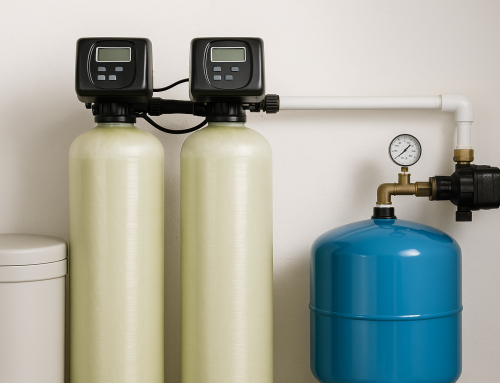
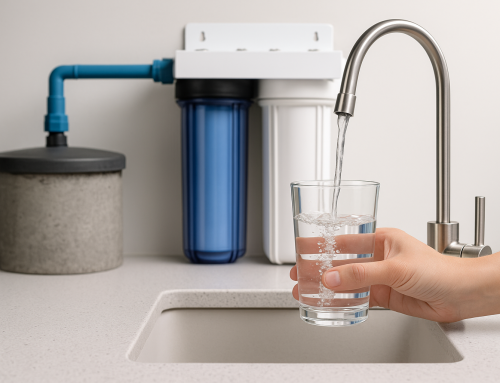
Point-of-use systems (installed at a sink or refrigerator) focus on drinking and cooking water. Whole-house systems treat water at the main inlet so every tap, shower, and appliance sees filtered water. Choose based on whether contaminants affect taste/health or also impact appliances and skin.
Common Filtration Technologies
- Activated carbon — Excellent for removing chlorine, VOCs, and improving taste and odor. Often used in pitchers, under-sink, and whole-house carbon tanks.
- Reverse osmosis (RO) — High-efficiency contaminant removal for dissolved solids, heavy metals, and many chemicals. Best for drinking water; produces some wastewater and may need a remineralization stage.
- UV disinfection — Kills bacteria and viruses without chemicals; often combined with filtration for well water treatment.
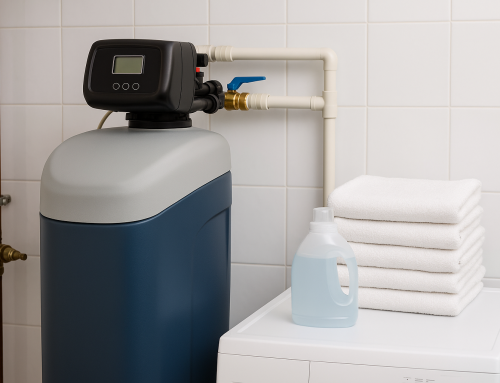
- Water softeners — Use ion exchange to reduce hardness minerals, protecting pipes, water heaters, and improving soap performance. Note: they do not remove most chemical contaminants.
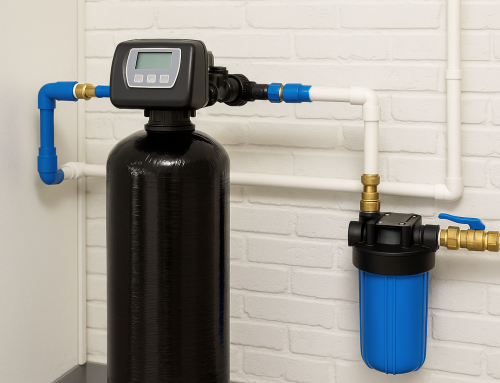
- Sediment filters — Protect downstream equipment by removing sand, rust, and particulate matter.
Step 3: Consider Capacity, Flow Rate, and Maintenance
Flow Rate and Household Needs
Check flow rate (gallons per minute) for whole-house systems to ensure showers and appliances get enough water. For point-of-use systems, consider storage tanks or high-flow models if multiple people will use the tap often.
Filter Life and Replacement Cost
Factor in ongoing costs: filter replacements, membrane changes, and service. A cheap system with expensive, frequent cartridge changes may cost more long-term than a higher upfront investment with low maintenance requirements.
Certifications to Trust
Look for third-party certifications like NSF/ANSI standards. These validate removal claims for specific contaminants and ensure product safety and structural integrity.
Step 4: Installation, Warranty, and Costs
DIY vs. Professional Installation
Some under-sink or pitcher systems are DIY-friendly. Whole-house systems, RO installations, and UV systems often require professional sizing and plumbing. Professional installation ensures proper flow, backflow prevention, and warranty compliance.
Upfront and Long-Term Costs
Budget for the system, installation, and recurring maintenance. Compare total cost of ownership over 3–5 years rather than just the initial price.
Step 5: Testing, Monitoring, and Certification
After installation, have your water retested to confirm contaminant reduction. Maintain a schedule for filter replacement and periodic testing, especially for well water. Keep product warranties and service records handy.
How to Maintain Your System
- Replace cartridges and membranes on schedule.
- Sanitize systems annually if recommended.
- Monitor water taste, pressure, and flow for warning signs.
- Keep a log of maintenance dates and costs.
Final Considerations
Prioritize which issues matter most—taste and odor, health contaminants, or appliance protection. Match technology to those needs, verify claims with certifications, and plan for ongoing maintenance. Energy use, wastewater (for RO), and space for installation are additional practical points to consider.
Conclusion
Choosing the right home water filtration system starts with accurate water testing and clear priorities. Compare technologies, consider total costs, and choose certified products installed by or inspected by a qualified technician. For personalized recommendations and professional installation, reach out to Custom Filtration Systems for an appointment and a water-quality consultation tailored to your home.