Why Water Filtration Matters
Clean water is essential for drinking, cooking, and household tasks. But municipal treatment, well sources, and aging pipes can still leave your water with contaminants, off-flavors, or cloudiness. Understanding water filtration technologies helps you choose the right solution for your home, protect your family’s health, and save money over time.
Common Contaminants and Health Concerns
Microbial Contaminants
Bacteria, viruses, and protozoa can cause acute illness. These are more common in untreated well water or after system disruptions.
Chemicals and Heavy Metals
Lead, arsenic, nitrates, chlorine, and volatile organic compounds (VOCs) can pose long-term health risks or affect taste and odor.
Particulates and Sediment
Sand, rust, and silt affect water clarity and can clog appliances or shorten filter life.
Key Water Filtration Technologies
Each technology targets specific contaminants. Often, effective systems combine multiple technologies for broad protection.
Sediment Filters
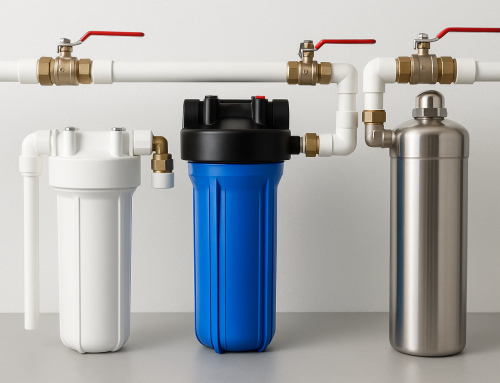
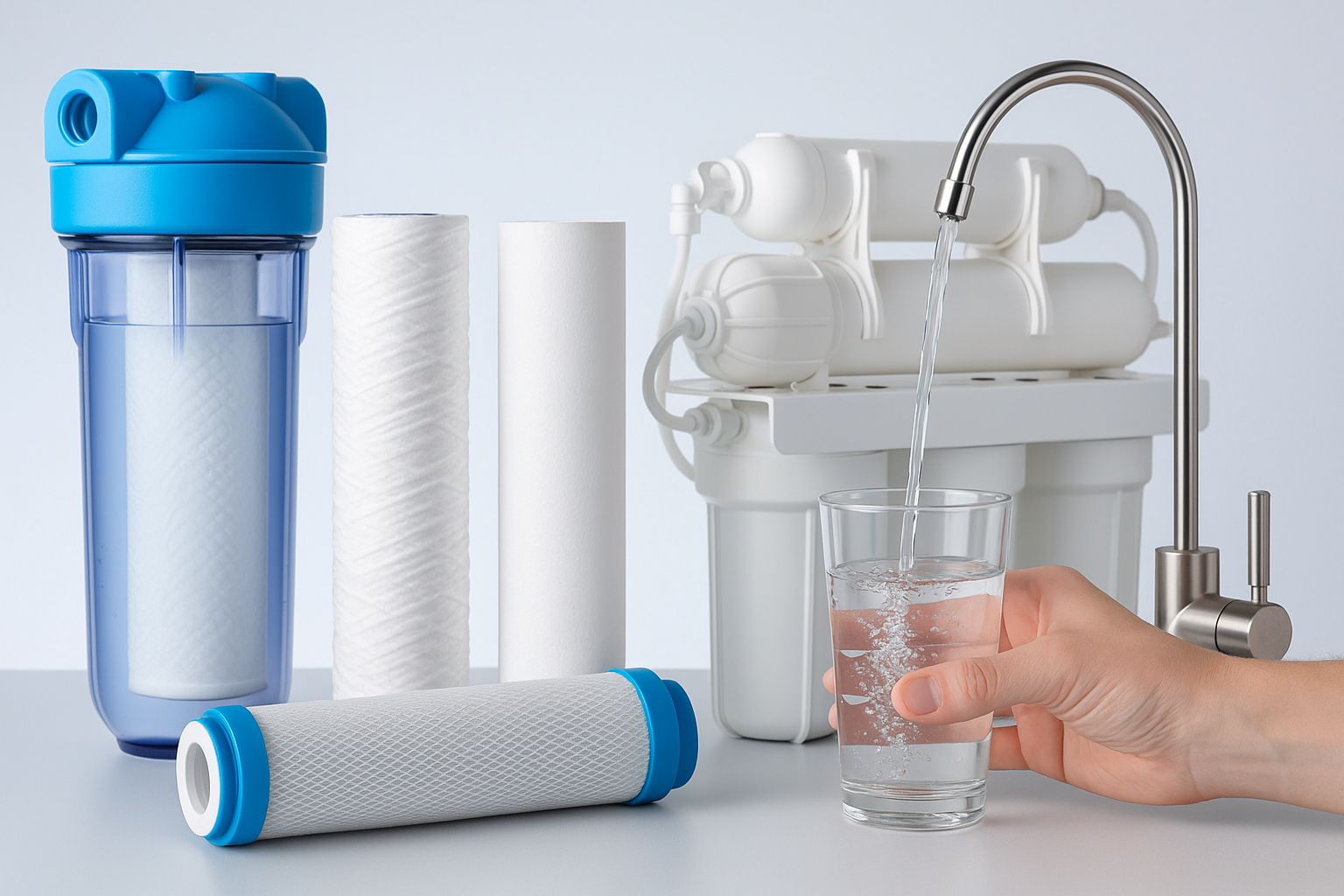
Sediment filters are mechanical filters that remove sand, rust, and large particles. They are inexpensive and protect downstream devices, but they do not remove dissolved chemicals.
Activated Carbon (GAC and CTO)
Activated carbon adsorbs chlorine, bad tastes, odors, and many organic chemicals. Granular activated carbon (GAC) and carbon block (CTO) are common — carbon blocks generally provide finer filtration and more consistent performance.
Reverse Osmosis (RO)
RO forces water through a semi-permeable membrane to remove dissolved salts, heavy metals, fluoride, and many contaminants down to ionic size. RO systems are excellent for drinking water but produce wastewater and often require a storage tank and periodic membrane replacement.
Ultraviolet (UV) Disinfection
UV systems neutralize bacteria, viruses, and protozoa without chemicals. They are ideal when microbial contamination is a concern, but they don’t remove chemicals or particulates—pre-filtration is required.
Ion Exchange (Water Softeners and Deionizers)
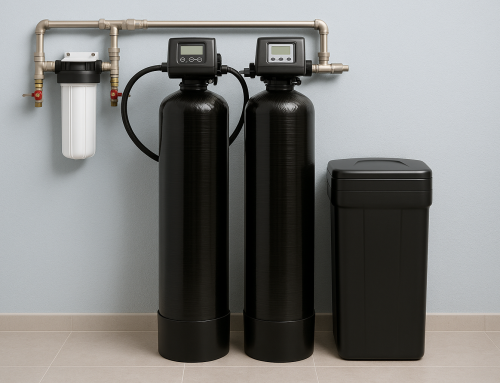
Ion exchange systems replace hardness minerals (calcium and magnesium) with sodium or potassium, improving scale control and soap performance. Specialized ion-exchange resins also remove nitrate or radioactive isotopes.
Ceramic Filters
Ceramic filters have fine pores that trap bacteria and particulates. They’re durable and can be cleaned, but they don’t remove dissolved chemicals.
KDF and Catalytic Media
KDF (copper-zinc) media remove chlorine, control scale, and reduce some heavy metals through redox reactions. Often used in combination with carbon for extended life and broader contaminant removal.
How to Choose the Right System for Your Home
Assess Your Water Source
Start with a water test. Municipal water reports (CCR) list regulated contaminants, but private wells require independent testing for bacterial and chemical issues. A baseline test pinpoints issues to treat.
Match Technology to Contaminants
Use the test results to select technologies that target the contaminants you have. For example, use RO for fluoride and heavy metals, UV for microbial threats, and activated carbon for chlorine and taste issues.
Consider Flow Rate, Space, and Budget
Whole-house systems must support peak flow for showers and appliances, while under-sink filters focus on drinking water. Factor in upfront cost, filter or membrane replacement, and installation charges.
Look for Certifications
Choose products certified by recognized bodies (NSF/ANSI) for claimed contaminant reduction. Certification provides independent verification of performance.
Maintenance and Lifespan
Regular maintenance keeps systems performing well. Change pre-filters and carbon cartridges per manufacturer guidelines, replace RO membranes as needed, and sanitize systems when recommended. Keep a maintenance log to avoid missed changes and reduced performance.
Combining Technologies for Best Results
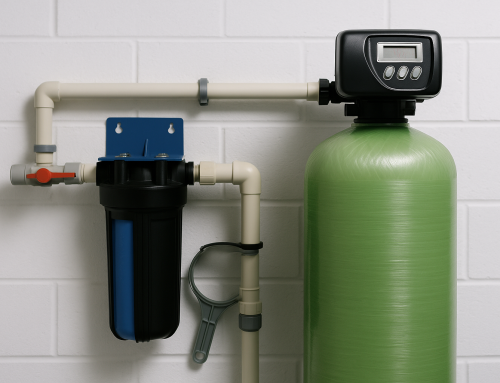
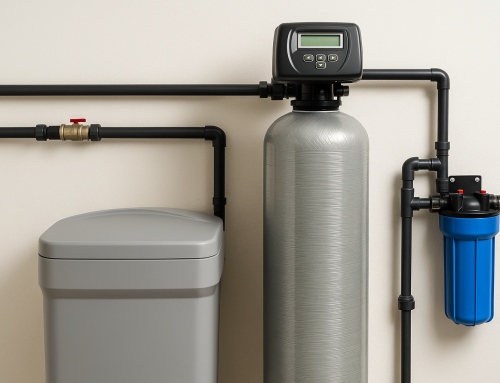
Many effective systems combine technologies—for example, sediment pre-filter + carbon block + RO + UV—to deliver clean, safe, and great-tasting water. Combining filters addresses a wider range of contaminants and enhances longevity.
Cost Considerations and Long-Term Value
Upfront costs vary widely, but consider long-term savings: less bottled water, fewer appliance repairs, and better tasting water that encourages hydration. Factor filter replacement intervals and possible professional maintenance into lifetime cost estimates.
Getting Professional Help
If you’re uncertain which system fits your home, a local water specialist can review test results, recommend systems, and handle installation. For personalized guidance and to schedule an appointment, reach out to Custom Filtration Systems — their experts can help you choose and maintain the right solution.
Conclusion
Understanding water filtration technologies empowers you to make informed choices for healthier, better-tasting water at home. Start with a water test, match technologies to contaminants, and consider professional advice to get the best long-term results. Contact Custom Filtration Systems to set up an appointment and take the first step toward cleaner water.