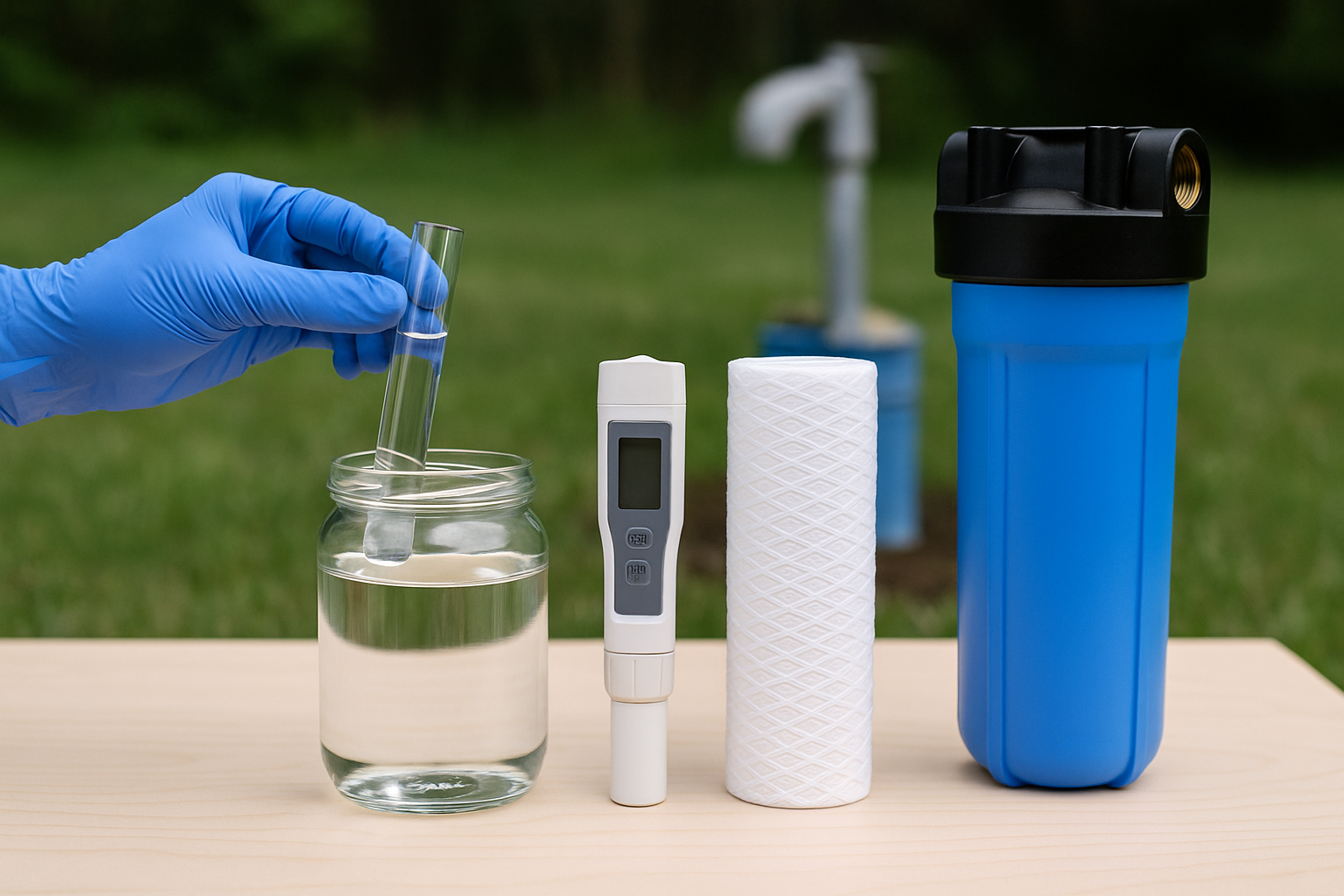
Why Well Water Testing Matters
Owning a private well gives you control over your household water source, but that control comes with responsibility. Unlike municipal water supplies, wells are not regulated by public health agencies, so it’s up to you to ensure the water is safe and clean. Regular testing and the right filtration system protect your family’s health, preserve plumbing and appliances, and maintain water taste and clarity.
Common Well Water Contaminants and Health Risks
Biological Contaminants
Bacteria (like coliform and E. coli), viruses, and parasites can enter wells from surface runoff, septic systems, or animal activity. These pathogens cause gastrointestinal illness and other acute health problems, making biological testing essential—especially after heavy rains or nearby septic system failures.
Chemical Contaminants
Chemicals such as nitrates, arsenic, lead, and volatile organic compounds (VOCs) can come from agricultural runoff, industrial sites, or natural geological sources. Long-term exposure to some of these chemicals is linked to chronic health issues, including developmental problems and cancer.
Physical and Aesthetic Issues
Hardness (calcium and magnesium), iron, manganese, and sulfur can make water taste unpleasant, stain fixtures, and shorten the life of water-using appliances. While not always a direct health threat, these issues affect quality of life and maintenance costs.
How Often Should You Test Your Well?
Standard recommendations for annual testing include tests for bacteria, nitrates, and any contaminants of local concern. Test more frequently if you notice changes—cloudy water, unusual tastes or odors, staining, or after events like flooding, well pump replacement, or nearby land disturbances. If someone in your household is pregnant, very young, elderly, or has a weakened immune system, consider more frequent or expanded testing.
The Testing Process: DIY Kits vs. Professional Labs
DIY Test Kits
At-home kits can quickly indicate problems like bacteria presence or pH issues, but they often lack accuracy and comprehensiveness. Use them as an immediate check, not a definitive assessment.
Professional Laboratory Testing
For reliable, legally defensible results, send samples to a certified laboratory. Labs can test for a broad panel of contaminants—bacteria, metals, nitrates, VOCs, and more—and provide actionable recommendations. Many labs will also explain results relative to EPA or state guidelines, which helps you decide on treatment options.
Choosing the Right Filtration System
Effective treatment depends on the contaminants present. Here are common options and when they make sense:
Point-of-Entry (Whole House) Systems
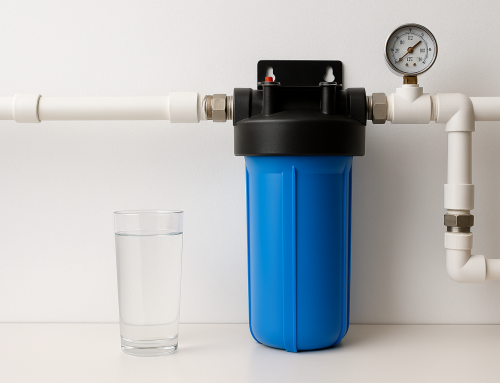
Installed where water enters your home, these systems protect plumbing and appliances while improving overall water quality. They are ideal for addressing hardness, iron, manganese, and sulfur, and for removing sediment that can damage equipment.
Point-of-Use Systems
These smaller filters treat water at a single tap, like a kitchen sink. Reverse osmosis (RO) units are popular for drinking and cooking water because they reduce a wide range of contaminants, including many dissolved solids and heavy metals.
Common Treatment Technologies
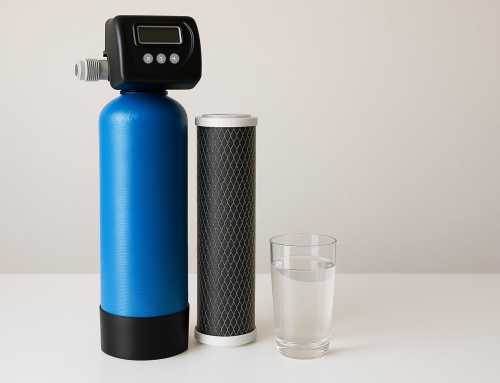
- Activated carbon: Removes chlorine, some VOCs, and improves taste and odor.
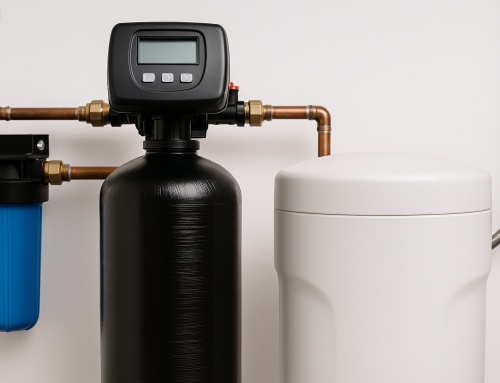
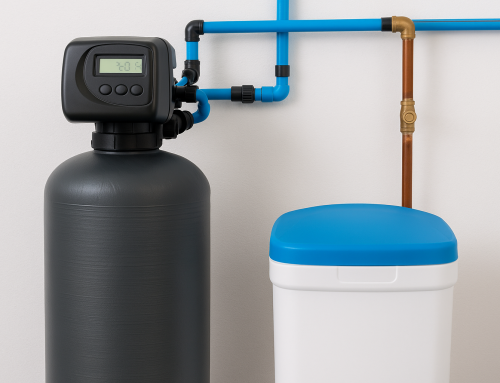
- Water softeners: Exchange sodium for calcium and magnesium to reduce hardness.
- Reverse osmosis: Provides thorough purification for drinking water; often paired with a carbon pre-filter.
- Iron filters and oxidizing filters: Target iron and manganese for staining and taste issues.
- UV disinfection: Kills bacteria and viruses without chemicals—ideal after confirmed biological contamination.
Maintenance and Ongoing Monitoring
Filtration systems require routine maintenance to stay effective: replace cartridges on schedule, backwash media tanks as recommended, and maintain softener salt levels. Keep records of test results and service dates. Even with a filtration system, continue annual testing and test immediately after major events like flooding, nearby construction, or changes in water taste or color.
When to Call a Professional
Some problems are best handled by experts—persistent contamination, complex chemical issues, or choosing the optimal combination of treatments for your home. Certified water professionals can interpret lab results, size systems correctly, and install equipment to code.
For personalized guidance and reliable installation, reach out to Custom Filtration Systems to schedule an appointment. Their team can arrange lab testing, recommend targeted treatments, and support ongoing maintenance so you can enjoy safe, clean well water with confidence.
Conclusion
Well water testing and filtration are essential responsibilities for private well owners. Regular testing, informed treatment choices, and proper maintenance safeguard your health, protect your home, and ensure great-tasting water. If you’re unsure where to start or need expert help, contact Custom Filtration Systems to set up an appointment and take the next step toward safe, dependable water.