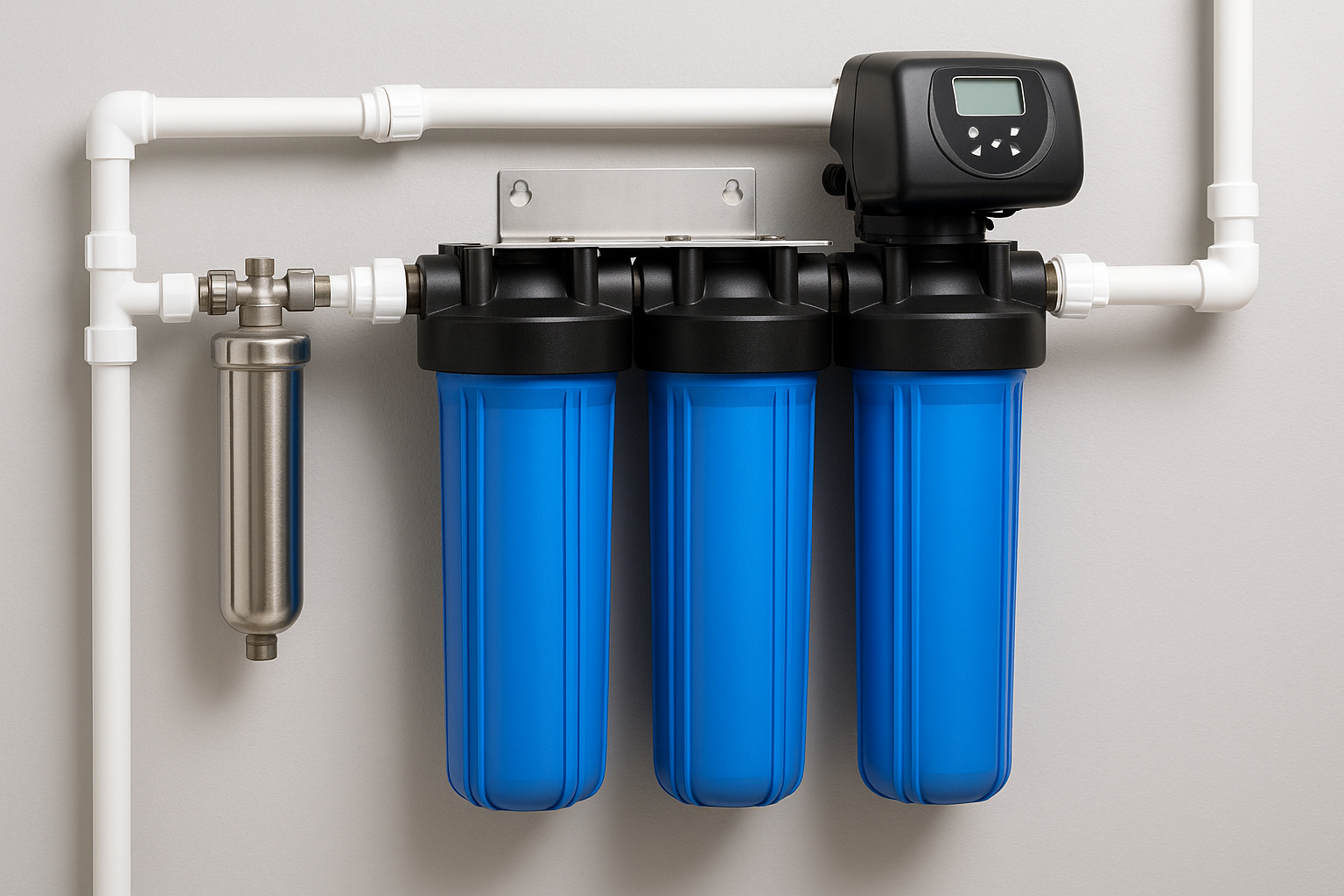
Why a Whole House Water Filter Matters
Clean water at every tap is more than a convenience—it’s a health and home-protection measure. A whole house water filter treats water at the point it enters your home so shower water, laundry, dishes, and drinking water (before a final under-sink or pitcher filter) are free from contaminants that can harm your family, plumbing, and appliances.
Types of Whole House Water Filters
Not every home needs the same system. Understanding filter types helps you match a solution to your water quality issues.
Sediment Filters
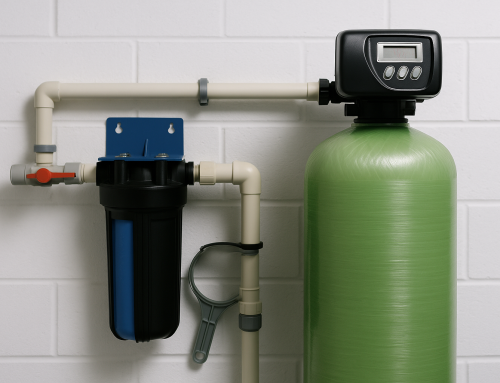
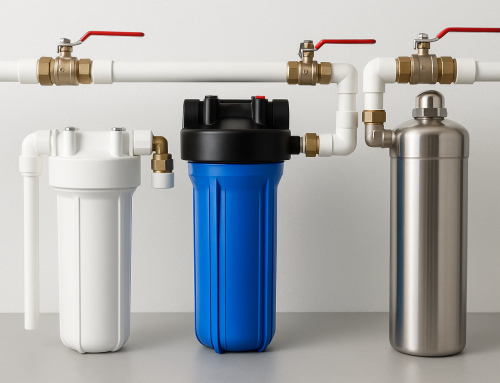
Designed to trap sand, rust, and dirt, sediment filters protect plumbing and other filters from clogging. They’re often the first stage in a multi-filter setup.
Activated Carbon Filters
Excellent for removing chlorine, bad tastes, and many organic compounds. Carbon filters are common for city water users who want better-tasting water and reduced chemical odors.
Water Softeners
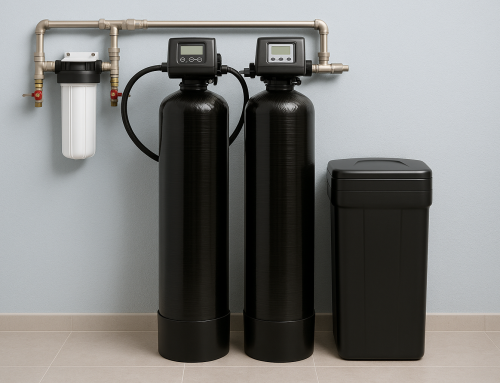
Technically a separate system, water softeners remove hardness minerals (calcium and magnesium) that cause scale buildup. Many whole house systems pair softeners with filtration stages.
Reverse Osmosis (RO) — Point-of-Use vs. Whole House
RO systems are very effective at removing a wide range of contaminants, but whole-house RO is expensive and wasteful for general use. RO is best as a point-of-use option for drinking and cooking taps.
Specialty Media (Iron, UV, KDF)
If you have well water or specific contaminants, specialty media like iron filters, UV disinfection (for bacteria), and KDF (for heavy metals) may be necessary.
Top Whole House Water Filters — What to Look For
Instead of a single “best” model for every home, consider these categories and features:
- Best for Overall Use: Multi-stage systems combining sediment, carbon, and optional specialty media give broad protection.
- Best for Budget: High-quality sediment + carbon combos with replaceable cartridges.
- Best for Well Water: Systems with iron removal, specialty media, and UV options.
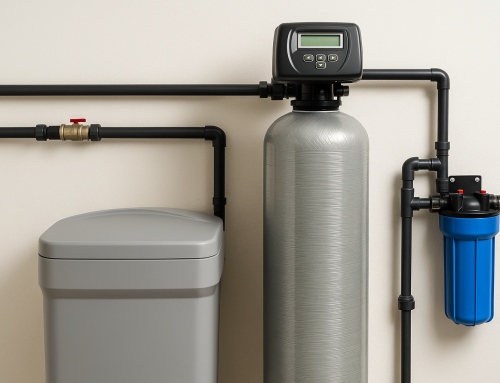
- Best for Hard Water: A water softener paired with a sediment and carbon pre-filter.
- Flow Rate and Capacity: Ensure the system supports your home’s peak flow (gallons per minute) and has adequate filter lifespan.
How to Choose the Right System
Follow these steps for a smart purchase:
- Get your water tested — check for sediments, chlorine, hardness, iron, bacteria, lead, and other contaminants.
- Match treatment to contaminants — choose filters and media designed to address the issues shown on your test.
- Consider flow rate — ensure the system won’t reduce water pressure during showers or when multiple fixtures run.
- Plan for maintenance — consider replacement filter costs, frequency, and ease of servicing.
- Account for plumbing layout — single-entry point installation is ideal; some homes may require dual systems for outdoor and indoor supply separation.
Installation & Maintenance
Professional installation is usually recommended for whole house systems to avoid leaks, maintain water pressure, and ensure warranties. Many systems require periodic cartridge changes, resin regeneration (for softeners), or UV lamp replacement. Keep a maintenance schedule so performance remains consistent.
If you’d like personalized recommendations or to schedule a professional installation, reach out to Custom Filtration Systems for an appointment — they can test your water, design a tailored system, and handle installation and follow-up service.
Common FAQs
Do whole house filters remove lead?
Some whole house systems can reduce lead if they include a certified media for heavy metals, but removal efficiency depends on the filter type and whether the lead is from incoming water or household plumbing. A point-of-use RO or NSF-certified under-sink filter is often recommended for drinking water if lead is a concern.
How often should filters be replaced?
Replacement intervals vary: sediment filters might need changes every 3–12 months, carbon cartridges every 6–12 months, and softener resin lasts many years with proper maintenance. Follow manufacturer guidelines based on your water quality and usage.
Is whole house filtration worth it?
For many households, yes. Benefits include improved water quality for bathing and laundry, protection for appliances, and lower exposure to contaminants in everyday use. The best approach is tailored to your specific water profile.
Conclusion
Choosing the best whole house water filter starts with testing your water, understanding the types of filters available, and matching a system to your home’s needs and budget. For personalized guidance, testing, and professional installation, contact Custom Filtration Systems to schedule an appointment and get a clean, reliable solution designed for your family.