Introduction
Replacing water softener salt is one of the simplest but most important parts of home water-softening maintenance. Many homeowners ask, “How often do I need to add salt?” The answer isn’t one-size-fits-all. This guide explains how water softeners use salt, factors that affect how often you should add it, and easy tips to keep your system running efficiently.
How Water Softeners Use Salt
What the salt does
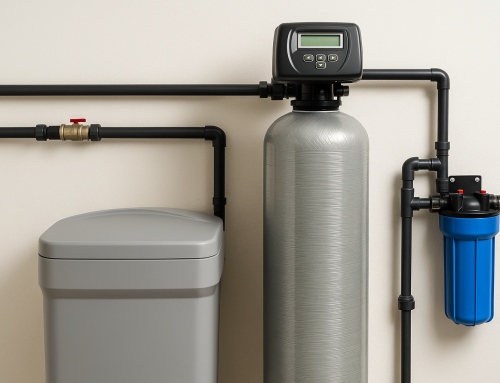
Water softeners use ion exchange: hard minerals like calcium and magnesium stick to resin beads while sodium (from the salt) replaces them. Over time the resin becomes saturated and needs to be regenerated with a brine solution made from salt and water. That regeneration is what consumes the salt.
Salt consumption basics
Salt use depends on how many regeneration cycles your system runs and how much salt each cycle consumes. Typical residential systems use anywhere from a few pounds to a dozen or more pounds of salt per regeneration, and regenerations can occur weekly or every few days depending on water hardness and household usage.
How Often Should You Replace Water Softener Salt?
As a general rule, most homeowners need to top off the salt every 4 to 8 weeks. However, frequency varies with several factors:
Factors That Affect Salt Replacement Frequency
Water hardness
The harder your water, the more minerals the softener must remove, and the more frequently it regenerates. If you live in an area with very hard water, you may add salt every 2–4 weeks.
Household water usage
Larger households or homes that use a lot of water (frequent laundry, many occupants, or irrigation) will deplete salt faster than small households with light water use.
Salt setting and system size
Your softener’s hardness setting determines how much salt is used during regeneration. Higher settings increase salt use. Also, the size of your resin tank and capacity (measured in grain removal) affects how often regeneration is needed.
Type of salt
Different salt types have different densities and solubilities. Solar salt, evaporated salt pellets, and rock salt all behave differently—some produce more bridging and can affect how often you actually need to add salt.
How to Check Your Salt Level and When to Refill
Visual inspection
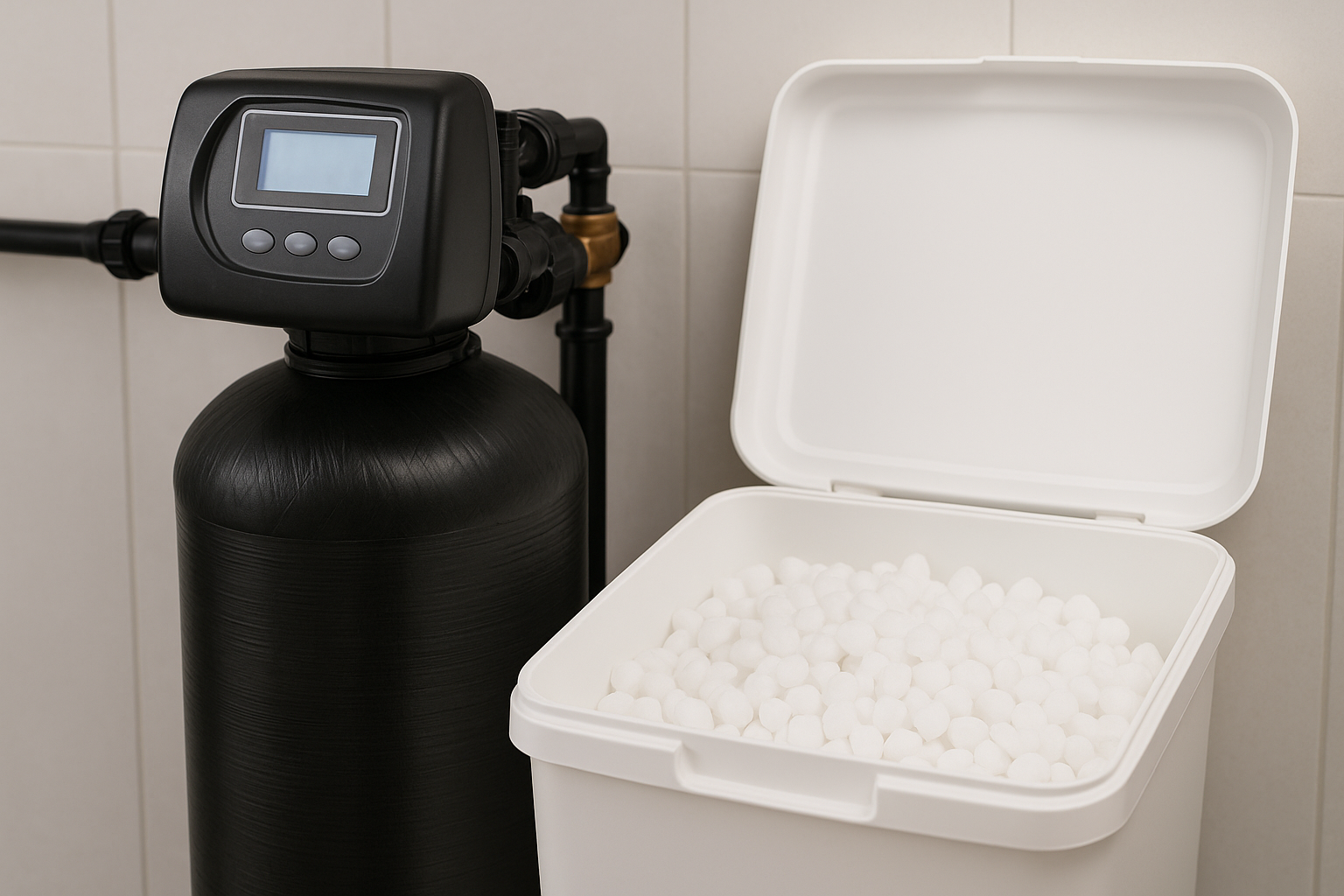
Open the brine tank and look at the salt level. If the salt level is below the water line or less than a few inches of salt remain above the tank bottom, it’s time to add more. Don’t let the tank go completely empty—running a softener without salt won’t clean the resin properly.
Watch for salt bridges and mushing
Salt bridging (a hard crust or shelf above the water) can give a false sense of fullness. Gently tap the top; if it’s hard, carefully break the bridge and remove any loose debris. Salt mushing (slushy residue at the bottom) can clog the brine line and reduce efficiency—if you see this, empty and clean the tank.
Types of Salt and How They Affect Replacement
Solar and evaporated pellets
Pelleted salts (especially high-purity evaporated salt) dissolve cleanly and reduce mushing. They often lead to more predictable refill schedules.
Rock salt
Rock salt is less expensive but contains more insoluble minerals which can accumulate and require more frequent cleaning and maintenance.
Maintenance Tips to Extend Salt Life
- Set your softener to match your actual water hardness and household needs—don’t over-salt.
- Use high-quality salt pellets to minimize bridging and mushing.
- Check salt levels monthly until you learn your system’s rhythm, then adjust the frequency.
- Clean the brine tank annually to remove sediment and insoluble minerals.
When to Call a Professional
If you notice frequent salt bridging, unusually rapid salt depletion, persistent hard water, or if you’re unsure about settings and capacity, it’s time to consult a professional. A technician can test your water hardness, check your softener settings, and recommend the right salt type and maintenance schedule.
For personalized service, reach out to Custom Filtration Systems to schedule an appointment—our team can inspect your system, optimize settings, and keep your softener working efficiently.
Common Mistakes to Avoid
- Letting the tank run out of salt completely—this prevents proper resin regeneration.
- Ignoring salt bridges and mushing—both reduce efficiency and can lead to system problems.
- Overfilling the tank—too much salt can contribute to bridging and make inspection difficult.
Conclusion
Most households refill water softener salt every 4–8 weeks, but your exact schedule depends on water hardness, household size, system settings, and salt type. Regular visual checks, monthly monitoring when you’re starting out, and good maintenance habits will keep your softener efficient. If you need help diagnosing problems or setting up a maintenance plan, contact Custom Filtration Systems to book an appointment and get expert assistance.