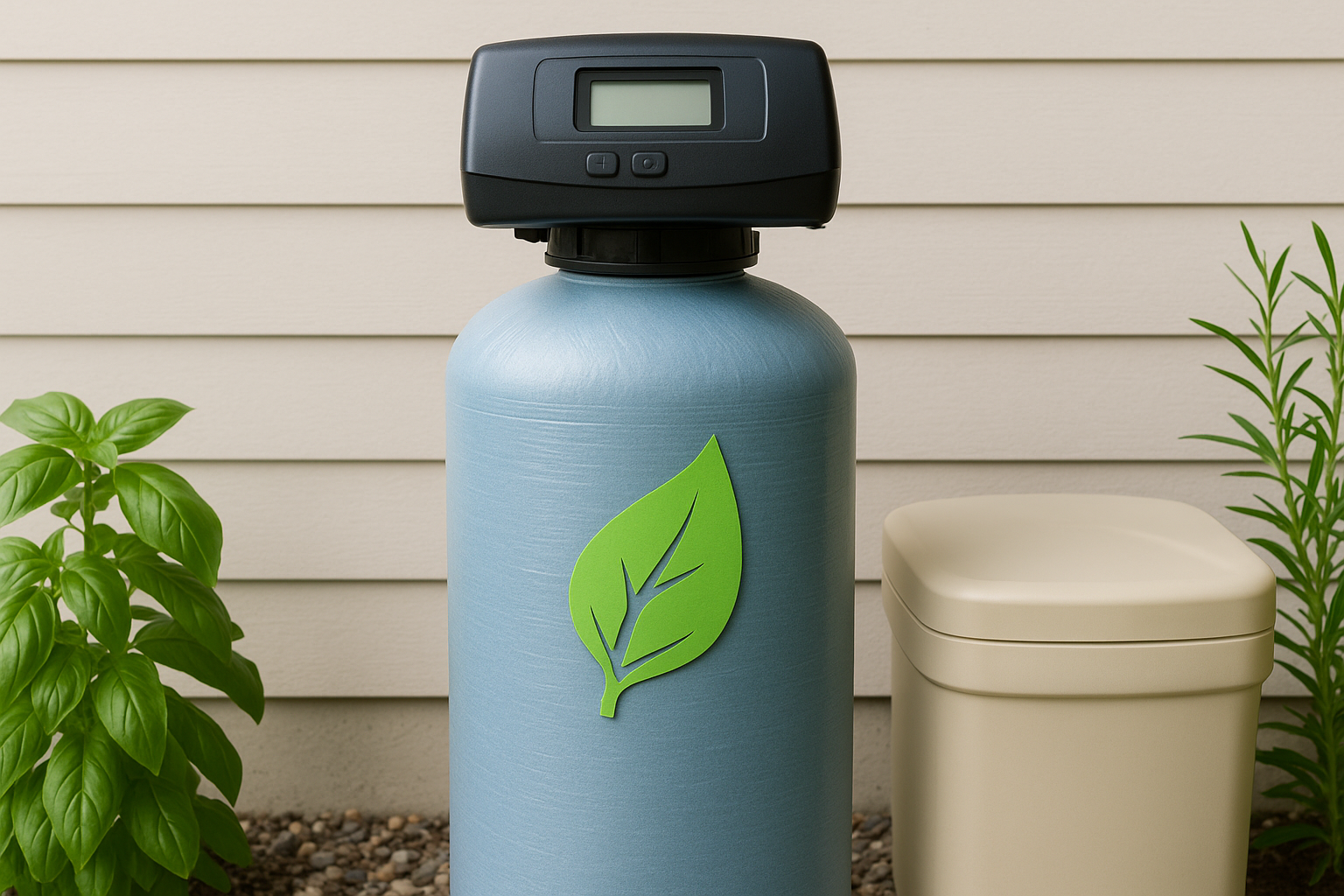
What are eco-friendly water softeners?
Eco-friendly water softeners are systems designed to reduce the negative impacts of hard water while minimizing environmental harm. Instead of relying on traditional salt-based ion exchange systems that discharge salty backwash into wastewater, green alternatives focus on conserving water, avoiding salt discharge, improving energy efficiency, and using materials or processes with a smaller environmental footprint.
Salt-based vs. salt-free solutions
Traditional salt-based softeners swap calcium and magnesium ions for sodium through ion exchange, which works well to remove hardness but produces a salty brine during regeneration. Eco-friendly options either avoid ion exchange or use techniques that reduce or eliminate brine discharge, such as salt-free conditioning, potassium chloride alternatives, or advanced metering that cuts back on unnecessary regenerations.
How eco-friendly systems actually work
Many of the greener approaches use template-assisted crystallization (TAC) or physical conditioning to convert hardness ions into microscopic crystals that don’t form scale. Others use demand-initiated regeneration, proprietary media that require less frequent replacement, or more efficient backwash cycles that conserve water.
Benefits of switching to an eco-friendly water softener
Environmental benefits
Eco-friendly systems reduce or eliminate salty brine discharges that can harm freshwater ecosystems and municipal wastewater treatment systems. They also often use less water during maintenance cycles and can lower the energy footprint of your home by preserving appliance efficiency.
Health and household advantages
With many salt-free options you keep beneficial minerals like calcium and magnesium in your water while preventing scale buildup. This can mean better-tasting water, lower sodium intake for those monitoring dietary salt, and fewer concerns about environmental sodium in irrigation or septic systems.
Longer lifespan for appliances and pipes
Preventing limescale buildup extends the life of water heaters, dishwashers, plumbing fixtures, and coffee makers. That means fewer replacements, less waste, and long-term savings.
Types of eco-friendly water softeners
Salt-free conditioners (Template-Assisted Crystallization)
TAC systems change dissolved hardness minerals into inert crystals that won’t adhere to surfaces. They require minimal maintenance, don’t release brine, and are suited for households focused on preventing scale rather than removing dissolved minerals entirely.
Potassium chloride systems
These are similar to traditional ion-exchange softeners but use potassium chloride instead of sodium chloride. They produce brine but the discharge is lower in sodium, making them a better option for people on low-sodium diets and for some ecological concerns. However, they still require salt handling and brine disposal.
Electronic or magnetic descalers
Electronic or magnetic devices aim to alter the behavior of scale-forming minerals through electromagnetic fields or pulses. Results are mixed across different water chemistries; they are typically low-maintenance and use no chemicals, but effectiveness can vary.
High-efficiency metered systems
For those preferring ion exchange, modern high-efficiency models use demand-initiated regeneration and smart metering to minimize water and salt use. These systems regenerate only when necessary, reducing waste compared to older timed systems.
Choosing the right eco-friendly system for your home
Start with a water test
Know your water hardness, total dissolved solids (TDS), iron content, and pH before choosing a system. A water test helps match the right technology to your specific needs and avoids unnecessary upgrades.
Consider household needs and lifestyle
Do you have an electric water heater or tankless unit sensitive to scale buildup? Do you water a garden or have a septic system? For homes that rely on well water with high iron, a combination of filtration and conditioning may be necessary.
Maintenance, cost, and certifications
Evaluate the ongoing costs (media replacement, electricity, salt or potassium), and choose systems certified by independent bodies (look for NSF/ANSI standards relevant to your system). Factor in installation costs and the availability of qualified technicians in your area.
Installation and maintenance tips
Professional installation recommended
Proper sizing and placement impact system performance. A certified installer can ensure optimal flow rates, proper bypass valves, and integration with existing filtration or water heater systems.
Follow a maintenance schedule
Even low-maintenance systems need periodic checks. Inspect media, monitor water quality, and schedule annual professional service if recommended by the manufacturer.
Monitor results
Track visible benefits like reduced soap scum, longer appliance life, and energy savings on your water heater. Regular water testing ensures your system continues to meet expectations.
Final thoughts and next steps
Eco-friendly water softeners offer meaningful environmental and household benefits, from reducing brine discharge to extending appliance life. Choosing the right solution depends on your water chemistry, household priorities, and budget. For a customized recommendation and professional installation, reach out to Custom Filtration Systems to schedule an appointment — their team can test your water and guide you to the best, most sustainable option for your home.
Conclusion
Switching to an eco-friendly water softener is a practical step toward a greener home and healthier water. With the right system and proper maintenance, you can protect plumbing and appliances while minimizing environmental impact. Contact Custom Filtration Systems today to learn which eco-friendly solution fits your needs.