Why Filtering Well Water Matters
Well water can be an excellent, private water source, but it often contains contaminants like sediment, iron, manganese, hardness minerals, bacteria, nitrates, or even trace chemicals. Filtering your well water improves taste, protects plumbing and appliances, and—most importantly—keeps your household healthy. This guide walks you step-by-step through testing, choosing the right filtration system, installation considerations, and maintenance.
Step 1: Test Your Well Water
Before buying any equipment, test your water. A comprehensive water test tells you which contaminants are present and at what levels. Key parameters to test for include:
- Microbiological contaminants (total coliforms, E. coli)
- Hardness (calcium and magnesium)
- Iron and manganese
- pH level
- Nitrates and nitrites
- Arsenic, lead, or other heavy metals (if suspected)
- Volatile organic compounds (VOCs) and pesticides (if near agricultural or industrial areas)
Local health departments, certified labs, or professional water treatment companies can perform these tests. Keep a copy of results for future reference and to help choose a proper system.
Step 2: Match Filtration Technologies to Problems
Different contaminants require different solutions. Here are common technologies and when to use them.
Sediment Filters
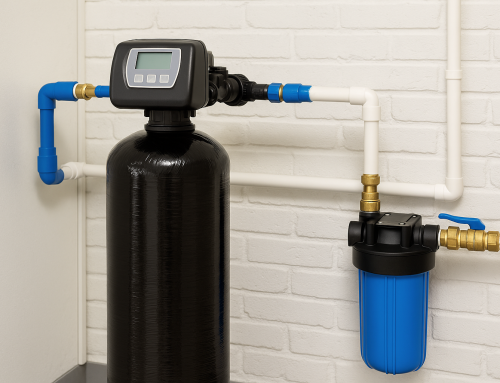
Purpose: Remove sand, silt, and rust particles. Best located as the first stage in a whole-house system to protect downstream equipment and fixtures.
Activated Carbon Filters
Purpose: Improve taste and odor, remove chlorine (if present), and reduce certain organic chemicals and VOCs. Not effective for dissolved metals, hardness, or bacteria.
Water Softeners (Ion Exchange)
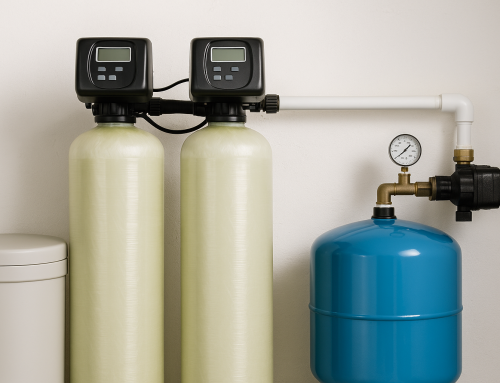
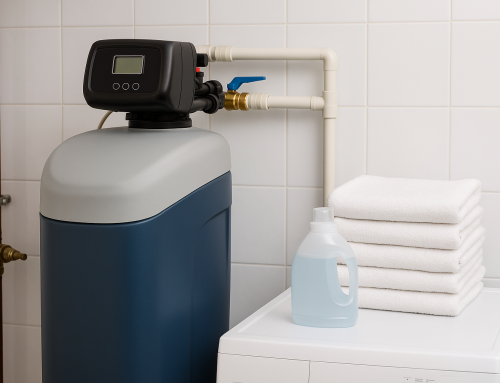
Purpose: Treat hard water by replacing calcium and magnesium with sodium or potassium. Helps prevent scale buildup in pipes and appliances but does not remove most contaminants like iron (unless specially designed) or microbes.
Iron and Manganese Removal
Purpose: Remove dissolved iron and manganese that cause staining and metallic tastes. Options include oxidizing filters (air injection, catalytic media), greensand, and chemical oxidizers followed by filtration. Choose based on iron concentration and whether iron is dissolved or particulate.
Ultraviolet (UV) Disinfection
Purpose: Kill bacteria and viruses without chemicals. UV is highly effective when water is clear (low turbidity) and used after sediment and carbon pre-filters.
Reverse Osmosis (RO)
Purpose: Provide high-purity water by removing dissolved solids, nitrates, arsenic, and many other contaminants at the point-of-use (typically under-sink). RO systems produce wastewater and are usually used for drinking and cooking water rather than whole-house treatment.
Step 3: Design a System That Fits Your Home
Common approaches:
- Whole-house (point-of-entry) systems: Protect plumbing, fixtures, and showers; ideal for sediment, iron, and hardness treatment.
- Point-of-use systems: RO or under-sink filters for drinking and cooking water.
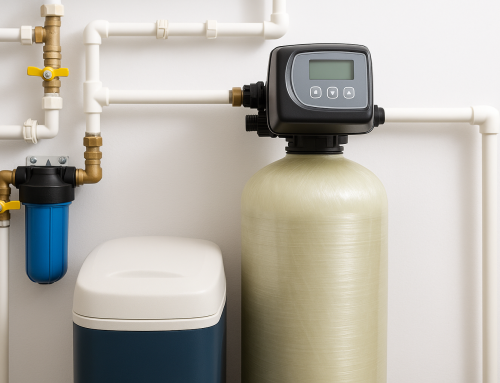
- Combined systems: A whole-house pre-treatment (sediment, iron removal, softening) plus a dedicated RO or UV system for potable water.
Consider flow rate and household water demand when sizing systems. Check system certifications (NSF/ANSI standards) for the contaminants you care about.
Step 4: Installation and Professional Help
Some systems are straightforward to install for a skilled DIYer, but many multi-stage or pressurized systems require professional installation to ensure proper operation, safety, and warranty coverage. A professional can:
- Confirm the right equipment and proper sizing
- Handle well pump integration and pressure tanks
- Install disinfection systems like UV safely and verify they meet local codes
- Provide documentation for future testing and maintenance
Reach out to Custom Filtration Systems to schedule an appointment for water testing and system design tailored to your well.
Step 5: Maintenance and Monitoring
Maintaining your system keeps it effective and extends equipment life. Typical tasks include:
- Replacing sediment and carbon filters at recommended intervals (often 3–12 months)
- Regenerating or refilling water softeners and replacing resin when needed
- Cleaning or replacing media in iron filters as required
- Replacing UV bulbs annually and checking lamp intensity
- Periodic water testing after system changes or annually to ensure continued protection
Keep a maintenance log and set calendar reminders. If performance drops—discolored water, bad taste, decreased flow—address problems promptly.
Cost Considerations
Costs vary widely depending on the complexity of the treatment. Expect to pay from a few hundred dollars for basic point-of-use systems to several thousand for whole-house multi-stage installations. Factor in ongoing costs: replacement filters, salt for softeners, RO membrane changes, electricity for UV, and professional servicing.
Conclusion
Filtering well water starts with testing and ends with regular maintenance. By matching the right technologies—sediment filters, carbon, softeners, iron removal, UV, or RO—to your specific issues, you can enjoy cleaner, safer water and protect your home’s plumbing. For a tailored solution and professional installation, reach out to Custom Filtration Systems to schedule an appointment and get expert guidance.