What is a water softener system?
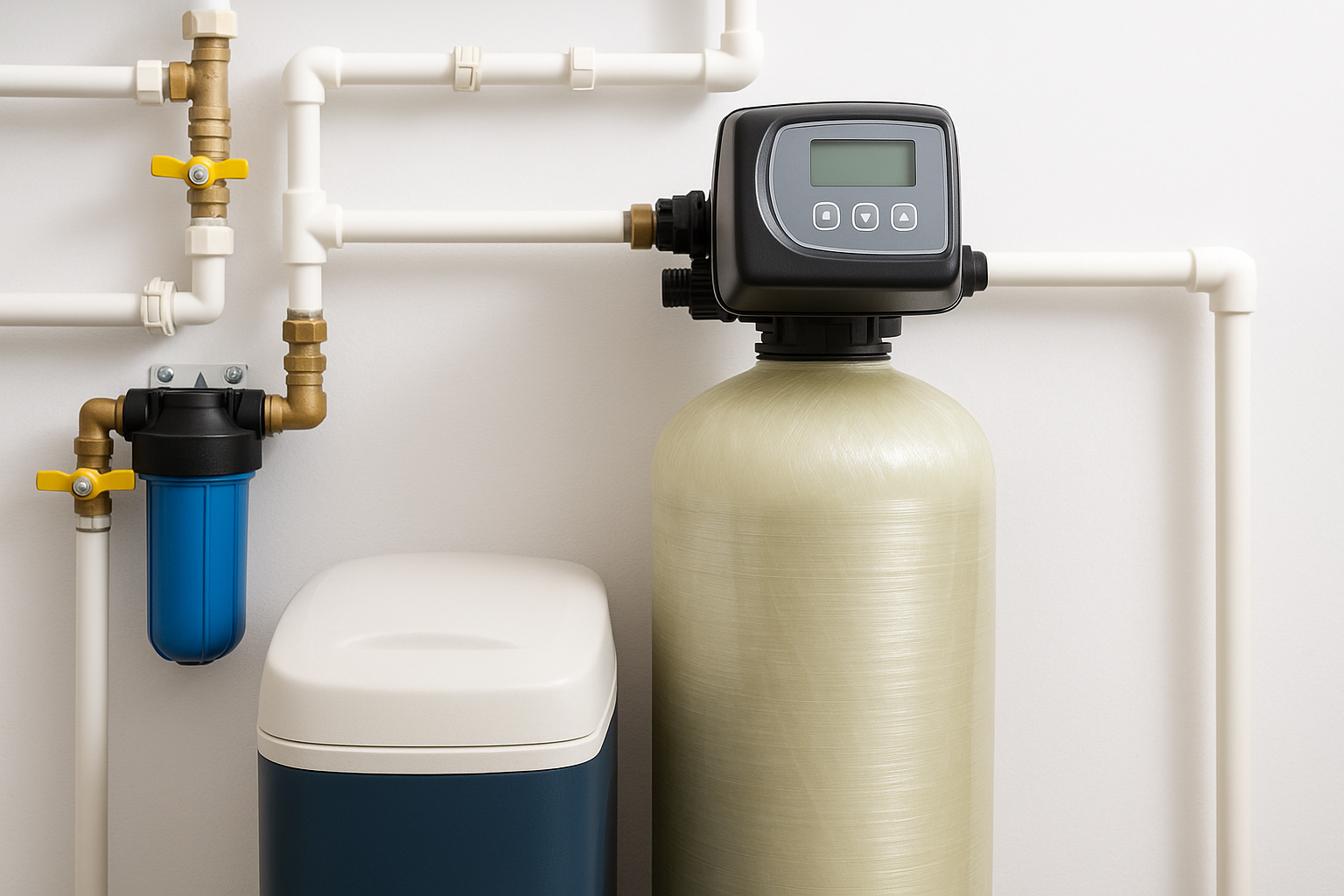
A water softener system is a home water treatment solution designed to reduce the minerals that cause hard water, mainly calcium and magnesium. Hard water can lead to scale buildup in pipes and appliances, dull laundry, and dry skin. A properly selected and maintained softener restores the feel and performance of your household water, improving comfort and protecting plumbing infrastructure.
The problem: hard water
Hard water is common in many parts of the country. You can often spot it by white scale on faucets, mineral rings in sinks and tubs, or cloudy glassware. Over time, mineral buildup reduces efficiency of water heaters and shortens the life of dishwashers, washing machines, and coffee makers.
What a softener does
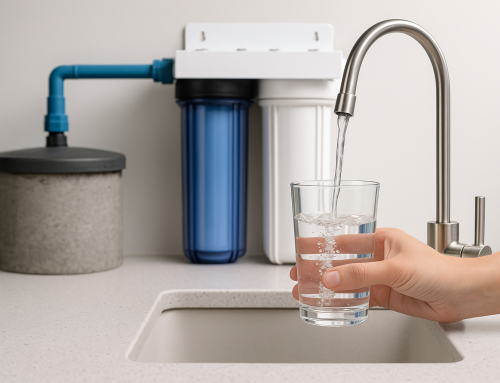
Water softeners remove hardness minerals so water acts more like naturally soft water. The result: cleaner dishes, longer appliance life, less soap scum, and often softer skin and hair after showering.
How water softeners work
Ion exchange explained
Most residential systems use ion exchange. Hard water passes through a tank filled with resin beads charged with sodium or potassium ions. Calcium and magnesium ions swap places with sodium or potassium, which remain in solution. Periodically, the system regenerates the resin using a salt brine so it can continue removing hardness effectively.
Salt-based vs. salt-free systems
Salt-based systems perform true softening through ion exchange and are most effective at eliminating hardness. Salt-free systems don’t remove hardness minerals but instead condition water to reduce scale formation; they can be a good option where space or salt use is a concern. Understanding your water profile will help determine the best approach.
Types of water softener systems
Salt-based ion exchange softeners
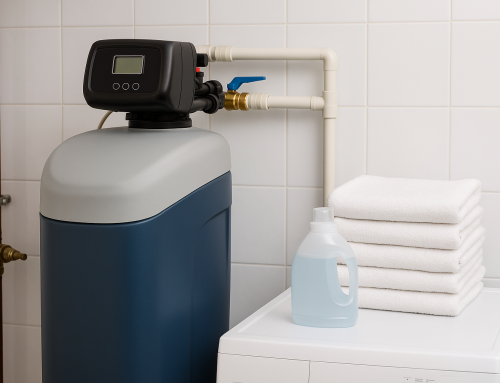
These are the most common systems for homes. They require salt replenishment, periodic maintenance, and occasional regeneration cycles. They deliver consistent, measurable softening and are ideal when reducing scale buildup is the priority.
Salt-free conditioners
Salt-free systems use template-assisted crystallization or other technologies to alter mineral behavior, preventing them from forming hard scale. They’re low-maintenance and environmentally friendly since they don’t discharge brine, but they won’t provide the same feel as softened water.
Dual-tank and demand-initiated regeneration systems
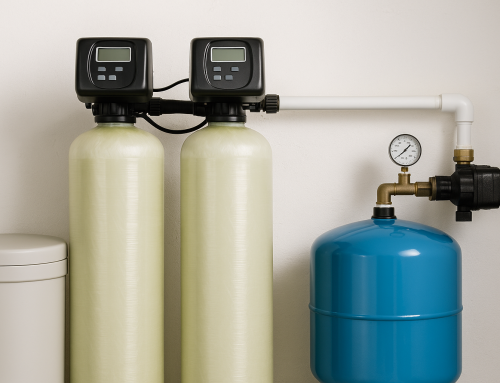
Dual-tank systems allow continuous soft water during regeneration, useful for larger households. Demand-initiated systems regenerate based on actual water usage, improving efficiency and saving salt and water compared with timer-based regeneration.
Benefits of installing a water softener
Protects plumbing and appliances
Softened water prevents scale buildup in pipes and on heating elements, improving efficiency and extending appliance life. This can translate into fewer repairs and replacement costs over time.
Cleaner dishes, brighter laundry, and softer skin
Soft water reduces soap scum and spotting on glassware and fixtures. Clothing can feel softer and require less detergent. Many people notice smoother skin and silkier hair after switching to softened water.
Energy and cost savings
Scale reduces heat transfer efficiency in water heaters, increasing energy costs. Eliminating scale with a softener helps water heaters and boilers run more efficiently, lowering utility bills in the long run.
Choosing, installing, and maintaining your system
Sizing and water testing
Start with a water test to measure hardness, iron, and other elements. Proper sizing depends on household water usage and hardness level. Oversized or undersized systems can lead to performance and cost problems, so match capacity with actual demand.
Installation options
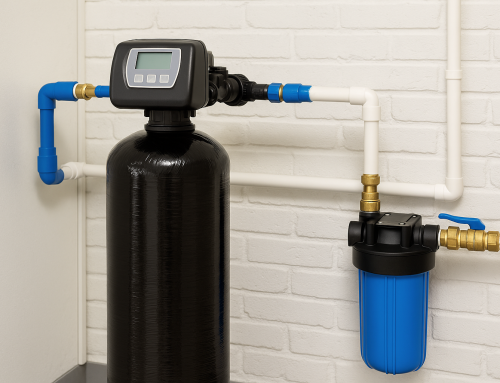
Professional installation ensures correct placement, plumbing connections, and regeneration set-up. Many homeowners opt for professional help to avoid common mistakes and ensure warranty coverage.
Maintenance tips
- Check and refill salt or potassium regularly for salt-based systems.
- Sanitize tanks periodically and replace resin or filters as the manufacturer recommends.
- Monitor water pressure and clarity; sudden changes can indicate issues.
Cost and return on investment
Initial costs vary by system type and capacity, from modest for salt-free conditioners to higher for whole-house ion exchange systems with professional installation. Consider long-term savings: reduced appliance replacements, lower energy bills, and less detergent and soap usage. Over several years, a quality softener often pays for itself through lower maintenance and utility costs.
Common issues and troubleshooting
Typical problems include salty taste (usually too much salt or regeneration issues), low water pressure (may indicate clogged resin or plumbing), and resin exhaustion. Regular maintenance and annual checkups help prevent these issues and keep performance optimal.
Conclusion
A water softener system can transform household water, protecting plumbing and appliances while improving comfort and cleaning results. To find the right system and ensure professional installation and service, reach out to Custom Filtration Systems to schedule an appointment and get a tailored recommendation for your home.