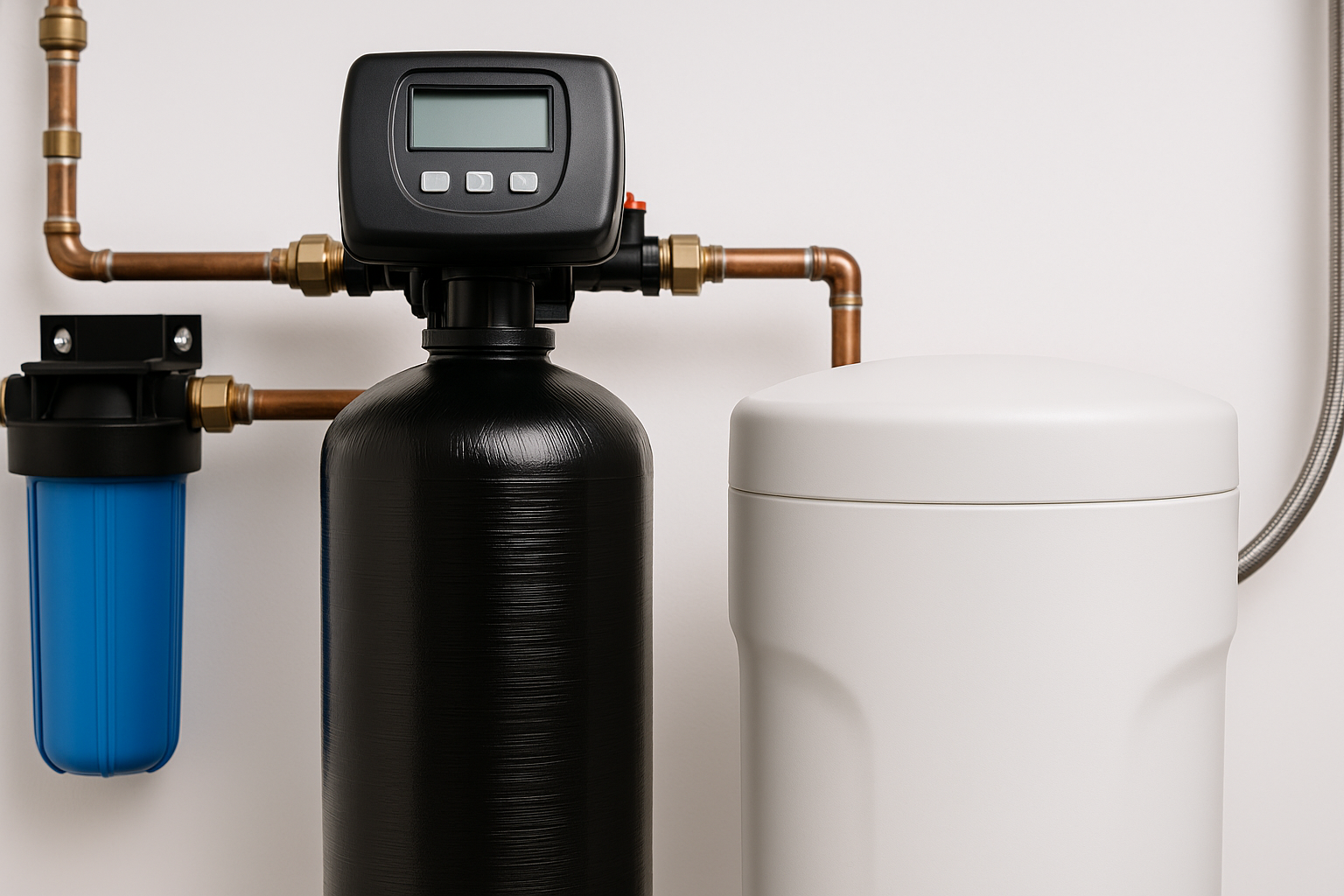
Why a Water Softener Matters
Hard water leaves mineral deposits on fixtures, shortens appliance life, and can make soap and shampoo less effective. Choosing one of the best water softener systems for your home improves water quality, reduces scale buildup, and often lowers long-term maintenance costs. This guide walks through types, top picks for different needs, what to consider, and how to get started.
Types of Water Softeners (and How They Work)
Salt-Based Ion Exchange Softeners
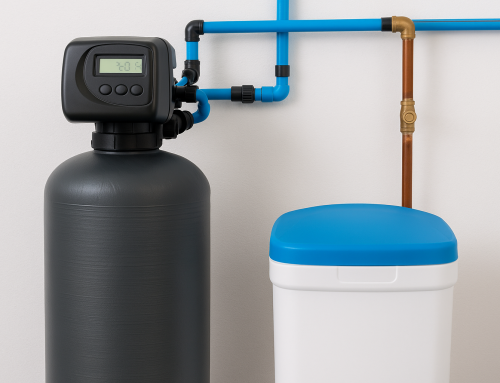
The most common and proven option. These systems swap calcium and magnesium ions (which cause hardness) for sodium or potassium ions using resin beads. They deliver true soft water, excellent performance, and are ideal for most households.
Salt-Free (Conditioning) Systems
Salt-free systems don’t remove hardness minerals but alter their structure to reduce scale formation. They’re low-maintenance and avoid adding sodium to your water—good for those on strict sodium diets or with water-use restrictions, though they don’t produce the same feel of soft water as ion-exchange systems.
Dual-Tank (Continuous) Softeners
Dual-tank systems use two resin tanks so one can regenerate while the other is in service. This provides continuous soft water—perfect for large homes or commercial use where uninterrupted soft water is important.
Reverse Osmosis (RO) Systems
RO systems filter water at the molecular level and can reduce hardness components, but they’re primarily for drinking water. RO is often paired with a whole-house softener for complete treatment.
Magnetic/Electronic Descalers
These devices claim to reduce scale with magnetic or electronic fields. Results vary widely and scientific support is limited—consider them a low-cost experiment rather than a guaranteed solution.
Top Picks for Different Needs
Best Overall: High-Efficiency Salt-Based Ion Exchange
A proven, efficient ion-exchange system with demand-initiated regeneration (DIR) is an excellent all-around choice. Look for systems with Fleck or similar reliable valves, certified performance, and a good warranty.
Best for Budget: Compact Single-Tank Softener
For small households or apartments, a compact single-tank ion-exchange softener can deliver great value. Choose units with programmable regeneration and a reputation for reliability.
Best Low-Maintenance: Salt-Free Conditioner
If you want minimal upkeep and no salt handling, salt-free conditioners are attractive. They’re especially useful where discharge of brine is restricted or for homeowners who prefer an eco-friendlier option.
Best for Large Homes: Dual-Tank System
Large families or homes with high water demand should consider a dual-tank system to avoid service interruptions during regeneration.
Best for Drinking Water: Reverse Osmosis + Softener Combo
Pairing a whole-house softener with a point-of-use RO unit gives you soft water for the house and ultra-pure water for drinking and cooking.
What to Consider When Choosing a Water Softener
- Water Hardness: Test hardness in grains per gallon (gpg) or ppm to size the system correctly.
- Household Water Use: Match softener capacity (grain rating) to daily water use and hardness level.
- Regeneration Type: Timer-based vs demand-initiated—DIR systems save salt and water by regenerating only when needed.
- Space & Installation: Consider available space, drainage, and whether you’ll need professional installation.
- Certification & Warranty: Look for NSF/ANSI certifications and robust warranties.
- Environmental & Health Concerns: If sodium in softened water is an issue, use potassium chloride or a salt-free alternative.
Installation & Maintenance
Many softeners can be installed by a skilled DIYer, but professional installation ensures correct plumbing, drainage, and optimal performance. Regular maintenance includes adding salt (for salt-based systems), periodic resin cleaning, and annual inspections. Systems with automatic alerts or digital controls simplify upkeep.
Cost Breakdown
Initial pricing ranges from under $600 for compact budget units to $2,500+ for high-capacity or dual-tank systems. Ongoing costs include salt or potassium, occasional resin replacement, and water for regeneration. Demand-initiated systems typically lower lifetime operating costs.
How to Get Started
Start with a water test to measure hardness and any other contaminants. Use that data to choose between salt-based, salt-free, or dual solutions. If you want tailored recommendations and professional installation, reach out to Custom Filtration Systems to schedule an appointment—they can help you pick the best system for your home and handle installation and maintenance.
Conclusion
Choosing the best water softener system depends on your water hardness, household needs, and budget. Salt-based ion exchange systems remain the most effective for true soft water, while salt-free and dual-tank options serve specific preferences and demands. For personalized advice and a professional appointment, contact Custom Filtration Systems to ensure your home gets the right solution.