How Does a Water Softener Work?
Hard water—water with high levels of calcium and magnesium—can cause scale build-up, reduce appliance efficiency, and make soap less effective. A water softener treats hard water to protect plumbing, appliances, and your skin. This guide explains how a typical water softener works, the components involved, the regeneration cycle, plus tips for maintenance and when to call a professional.
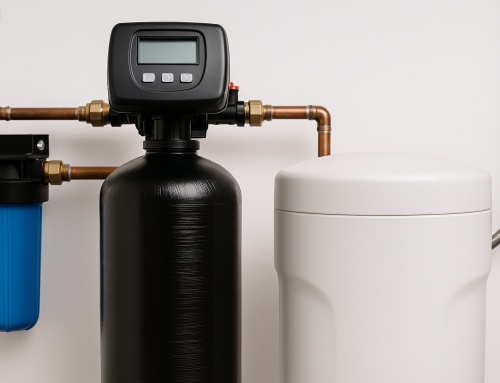
Main Components of a Salt-Based Water Softener
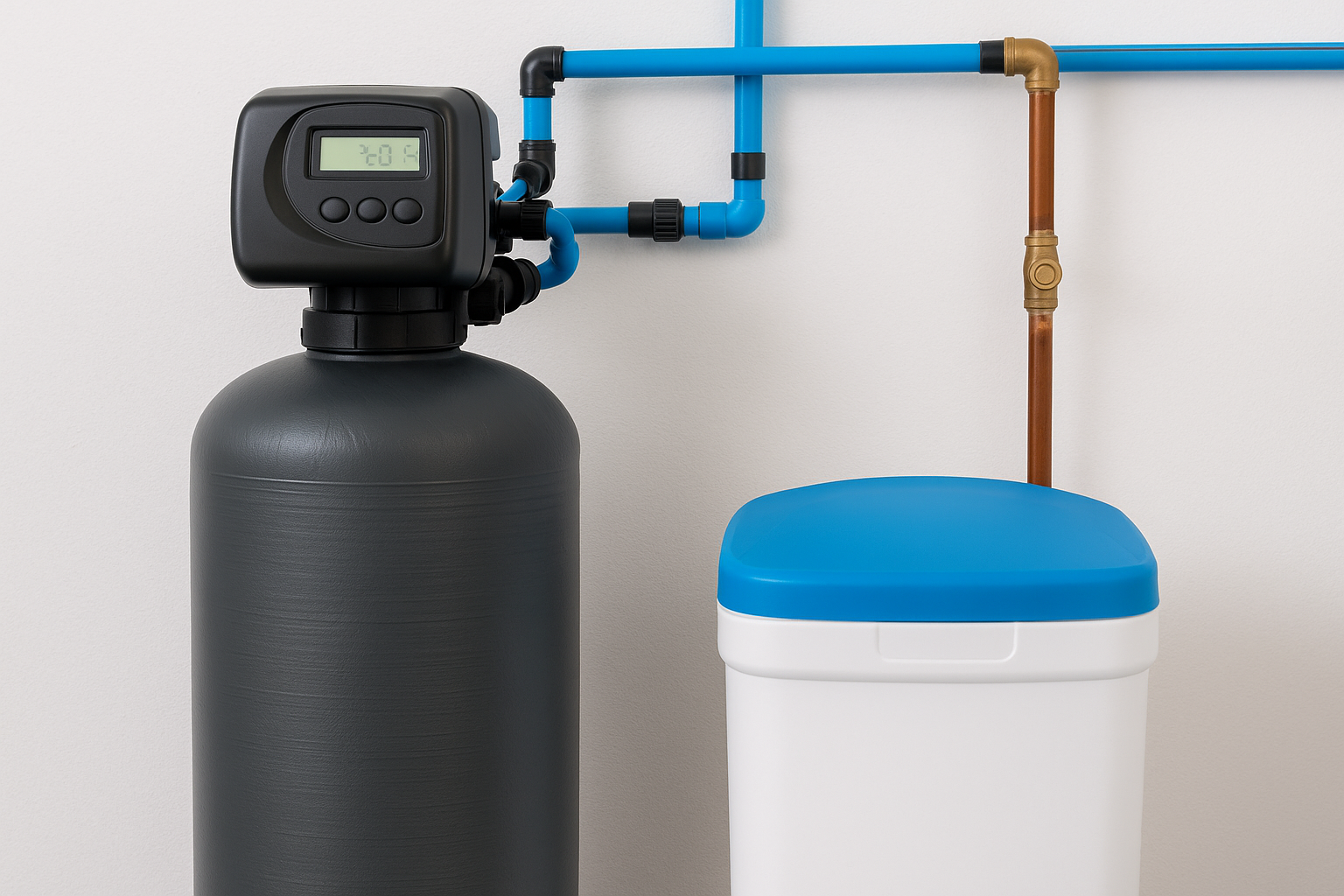
Most home water softeners use the ion exchange method and have three main parts:
Resin Tank
The resin tank contains tiny plastic beads (resin) coated with sodium or potassium ions. As hard water passes through, calcium and magnesium ions in the water swap places with the sodium or potassium on the beads. The result is softened water exiting the tank and hard minerals trapped on the resin.
Brine Tank
The brine tank holds a concentrated salt solution. This brine is used to recharge the resin beads during regeneration, restoring their ability to remove hardness minerals.
Control Valve and Timer
The control valve manages water flow through the system and initiates the regeneration process. Many systems use electronic controls that trigger regeneration based on water usage (demand-initiated regeneration) or on a set time schedule.
The Regeneration Cycle Explained
As the resin captures calcium and magnesium, it gradually becomes saturated and loses effectiveness. Regeneration restores the resin’s softening capacity through a few key steps:
Backwash
Water flow is reversed to flush out accumulated sediments and rearrange the resin bed for more effective contact during the brine step.
Brine Draw
The system draws concentrated brine from the brine tank and passes it through the resin. Sodium or potassium ions in the brine replace the captured calcium and magnesium ions, which are then flushed to drain.
Rinse
After brine contact, the resin is rinsed with fresh water to remove excess salt and residual hardness minerals. This prepares the resin for normal softening operation.
Refill
The brine tank is refilled with water to dissolve more salt and form the brine solution needed for the next regeneration.
Types of Water Softeners
While salt-based ion exchange softeners are common, there are alternatives depending on needs and local regulations:
Salt-Based Ion Exchange
Most effective for removing hardness. Requires salt and periodic regeneration.
Salt-Free Conditioners
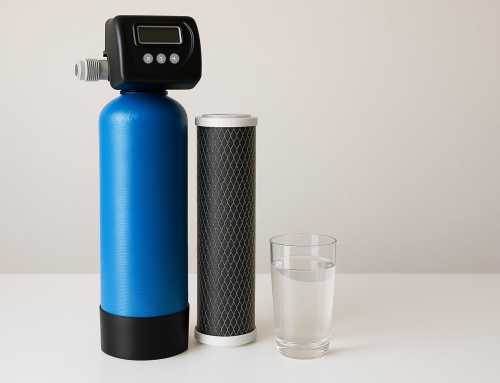
These systems use Template Assisted Crystallization (TAC) or other technologies to alter mineral behavior so scale doesn’t stick to surfaces. They reduce scale formation but don’t remove hardness ions.
Magnetic or Electronic Conditioners
These claim to change mineral behavior via magnetic or electric fields. Performance varies and is often less predictable than ion exchange or TAC systems.
Benefits of Soft Water
- Less scale buildup in pipes, water heaters, and appliances.
- Longer appliance lifespan and improved efficiency.
- Softer skin and hair, and easier rinsing of soap and shampoo.
- Cleaner dishes and fewer spots on glassware.
- Lower energy bills over time due to more efficient heating elements.
Maintenance and Troubleshooting
Routine care keeps a softener working well:
- Refill salt in the brine tank regularly. Check monthly or according to usage.
- Watch for salt bridging (a hard crust forming above water) and salt mushing (sludge at the bottom) that prevent proper brine formation.
- Keep an eye on water pressure and flow. A clogged resin or valve issues can reduce flow.
- Resin typically lasts many years but can become fouled by iron or organics; professional cleaning or replacement may be needed.
Common Issues
If you notice return of hardness, check salt level, timer settings, or for a failed control valve. Brown or discolored water may signal iron fouling, which needs targeted treatment.
Environmental Considerations
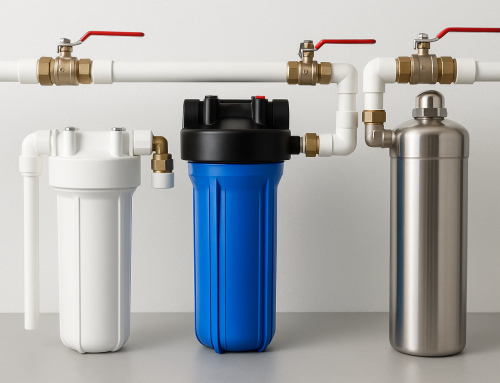
Salt-based softeners produce brine discharge that some municipalities restrict. Ask about local regulations and consider alternatives like salt-free systems or combined treatment approaches if discharge is a concern. Also consider pairing a softener with a whole-home filtration or reverse osmosis unit for comprehensive water quality improvement.
When to Call a Professional
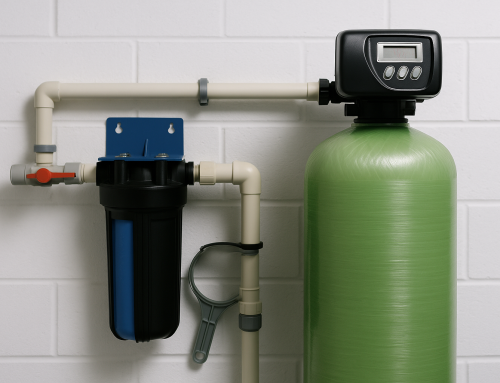
Installation, sizing, advanced troubleshooting, and maintenance beyond salt refilling are best handled by a qualified technician. A water test can determine hardness level and help size the right system for your household. For expert advice and service, reach out to Custom Filtration Systems to schedule an appointment and get a tailored solution for your home.
Conclusion
A water softener—most commonly a salt-based ion exchange system—removes hardness minerals through a resin that swaps calcium and magnesium for sodium or potassium. Regular regeneration, salt refills, and occasional professional service keep the system performing well, protecting plumbing and improving everyday comfort. If you’re unsure which system fits your needs or you want professional installation, contact Custom Filtration Systems for an appointment and personalized guidance.