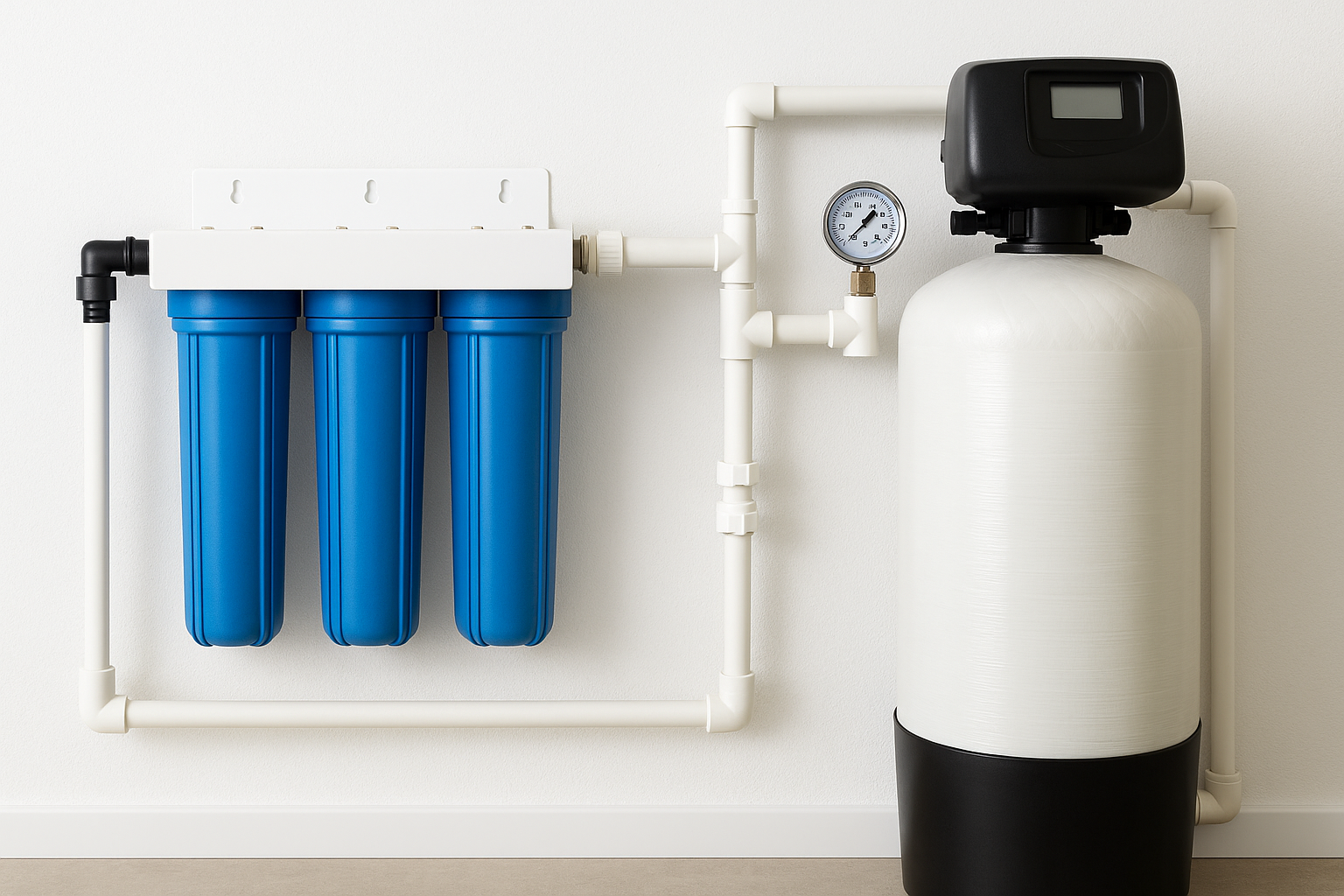
Understanding Hard Water: What It Is and Why It Matters
Hard water contains high levels of dissolved minerals—primarily calcium and magnesium—that it picks up as it moves through soil and rock. While hard water is not a direct health hazard, it causes visible and costly problems for homeowners: limescale buildup on fixtures and inside appliances, dull laundry, spotty glassware, and reduced efficiency of water heaters and dishwashers.
How to Tell if Your Home Has Hard Water
Common signs
- White, chalky buildup (limescale) on faucets, showerheads, and kettles
- Soap that doesn’t lather well and leaves a film on skin or dishes
- Frequent appliance maintenance or shortened lifespan for water-using appliances
- Spotty glassware and dull laundry colors
Testing for hardness
You can get a rough sense of hardness with an at-home test strip, or a more accurate reading with a laboratory test. Local water utility reports often list hardness in grains per gallon (gpg) or milligrams per liter (mg/L). Anything above 7 gpg (120 mg/L) is typically classified as hard water.
Filtration and Treatment Options for Hard Water
There is no one-size-fits-all solution—choices depend on your goals (removing minerals vs. preventing scale), budget, and household water use. Below are the most common and effective options.
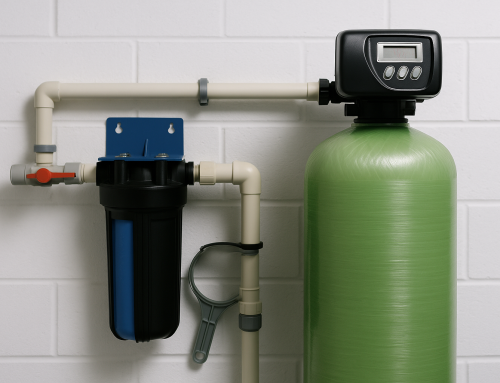
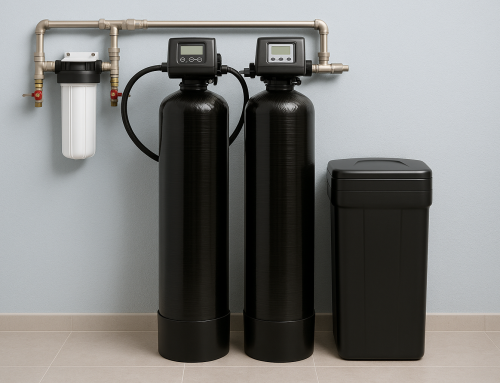
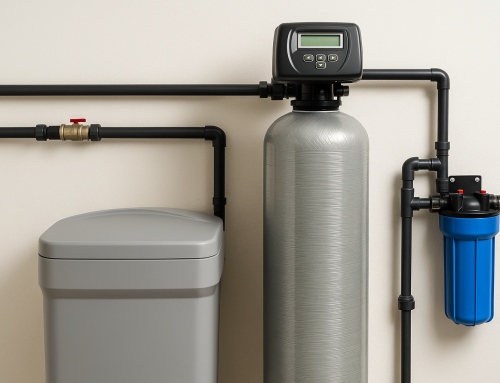
Salt-based water softeners
These ion-exchange systems replace calcium and magnesium ions with sodium (or potassium) ions. They are highly effective at preventing scale and improving soap performance. Benefits include longer appliance life and cleaner fixtures; drawbacks include ongoing salt/maintenance needs and minimal sodium addition to water (typically negligible for most people).
Salt-free conditioners (template or catalytic systems)
Salt-free systems don’t remove hardness minerals but alter how they behave so they don’t form scale (via templating or crystal growth technologies). They are low-maintenance and preserve beneficial minerals, but their effectiveness can vary with water chemistry and is sometimes less complete than ion-exchange softeners.
Reverse osmosis (RO)
RO systems provide high-quality filtered drinking water by removing a broad range of contaminants, including some mineral content. They’re best used at the point-of-use (kitchen sink) for drinking and cooking water, not typically for whole-house scale prevention unless paired with a softening system.
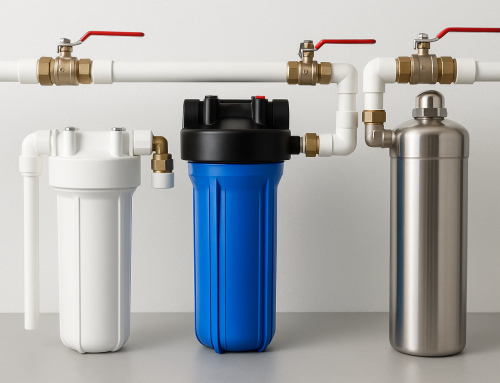
Carbon and KDF media
Carbon filters are excellent for improving taste and removing chlorine and organic compounds but don’t solve hard water by themselves. KDF media can help control scale and bacteria in certain applications and is often combined with other systems.
Magnetic and electronic descalers
These devices claim to reduce scale by altering mineral behavior with magnetic or electronic fields. Results are mixed in independent testing—some homeowners see improvement, while others don’t. They’re low-cost and low-maintenance but not a replacement where guaranteed scale prevention is required.
How to Choose the Right System
- Define priorities: scale prevention for plumbing and appliances, improved laundry and bathing, or better-tasting drinking water?
- Measure water hardness and check for other contaminants—iron, manganese, and chlorine can influence system choice.
- Consider household size and water usage; this affects softener capacity and filter replacement schedules.
- Weigh ongoing costs: salt, filter cartridges, water waste (RO systems), and periodic servicing.
Installation and Maintenance
Proper installation by a trained professional ensures correct sizing, plumbing, and warranty protection. Routine maintenance varies by system: salt refills and resin cleaning for softeners, cartridge changes for RO and carbon systems, and periodic inspections for whole-house units. Regular maintenance keeps systems efficient and extends their lifespan.
Costs and Return on Investment
Upfront costs range widely: simple point-of-use filters can be under $200, salt-based whole-house softeners typically run from $800–$3,000 installed, and high-end systems cost more. Consider long-term savings from reduced appliance repairs, lower energy bills (scale-free heaters run more efficiently), and improved detergent performance. Many homeowners find payback in a few years when factoring avoided repairs and energy savings.
Tips for Getting the Most from Your System
- Test water annually or after major plumbing work to monitor hardness and other contaminants.
- Follow manufacturer maintenance schedules for salt, resin cleaning, and filter replacement.
- Combine systems when appropriate—e.g., a whole-house softener plus a point-of-use RO for drinking water.
- Keep an eye on appliances: if limescale returns, check system settings and service needs.
Conclusion
Hard water is a common household challenge, but with the right combination of testing, system selection, and maintenance you can protect your plumbing, appliances, and indoor comfort. For personalized guidance and professional installation, reach out to Custom Filtration Systems for an appointment—an expert can assess your water profile and recommend the best solution for your home.