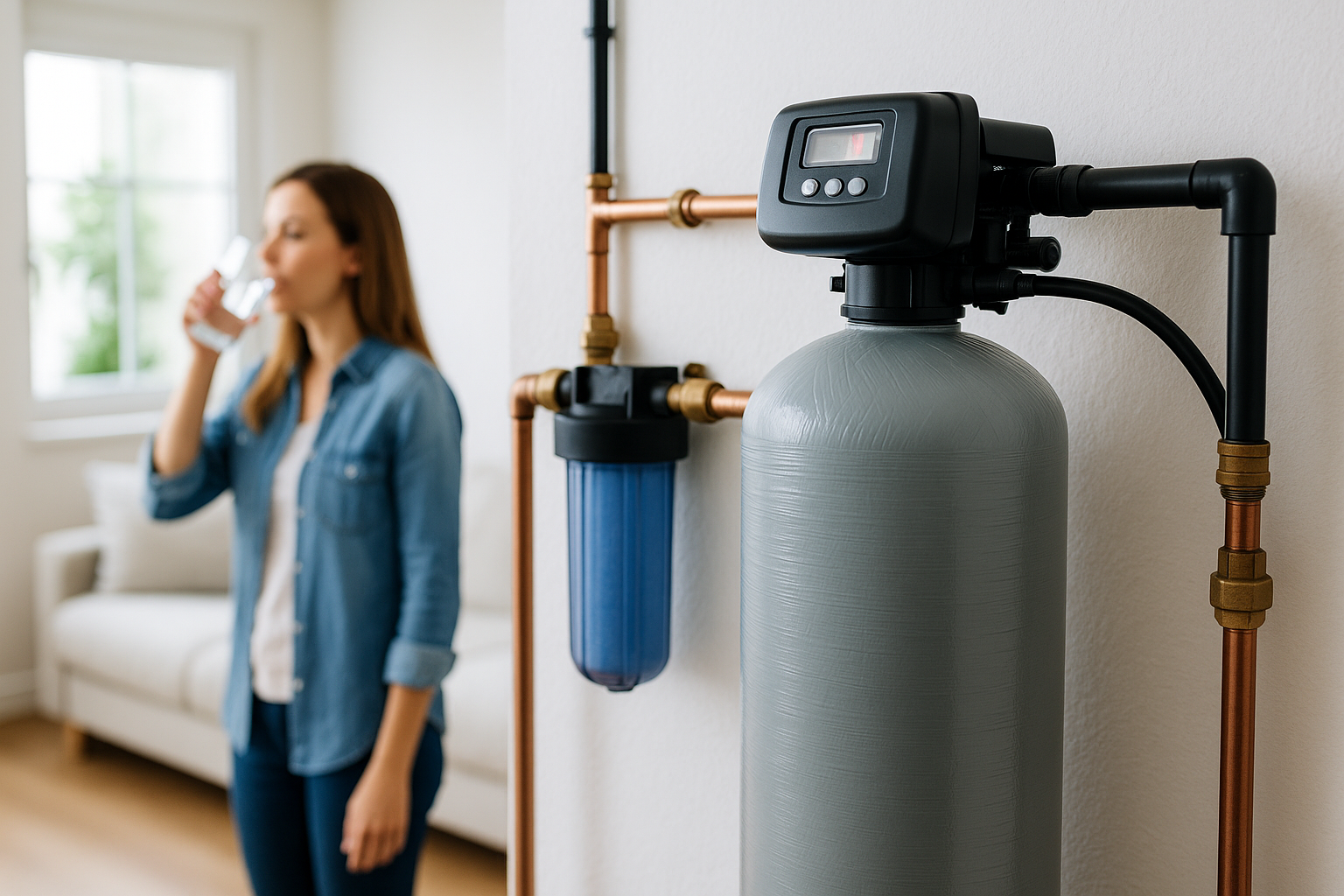
Why Whole Home Water Filtration Matters for Health
Clean water is essential for drinking, cooking, bathing, and laundry. While many people focus on filtered drinking water, contaminants can affect every tap in your home. A whole home water filtration system treats water at the point it enters your house, protecting skin, hair, appliances, and internal health by reducing or removing impurities that can cause short- and long-term problems.
Common contaminants and health risks
Municipal and well water can contain a range of contaminants: chlorine and disinfection byproducts, lead, nitrates, pesticides, sediment, volatile organic compounds (VOCs), bacteria, and heavy metals. Some of these are linked to gastrointestinal issues, neurological problems, developmental concerns in children, and skin irritation. Addressing contaminants at the whole-home level reduces exposure across all uses, not just drinking.
Who benefits most?
Everyone benefits from cleaner water, but sensitive groups—infants, pregnant people, elderly individuals, and those with compromised immune systems—may see the most immediate health gains. Reducing contaminants in bathing water can lower skin irritation and respiratory exposure from aerosols during showers.
How Whole Home Filtration Works
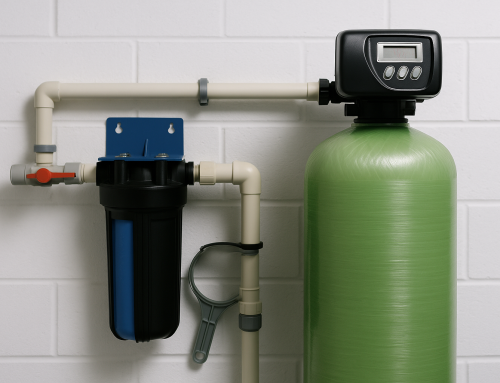
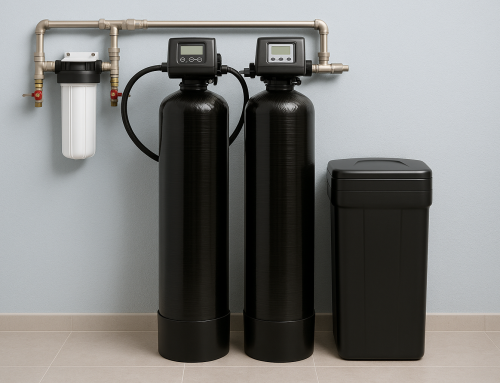
Whole home filtration systems are installed where water service enters your property so every faucet and fixture receives treated water. Systems combine stages and technologies to target different contaminants.
Types of filtration technologies
- Carbon filtration: Removes chlorine, tastes, odors, and many organic compounds.
- Reverse osmosis (RO): Extremely effective for dissolved solids, but usually used with a point-of-use tap for drinking water.
- UV disinfection: Kills bacteria and viruses without chemicals.
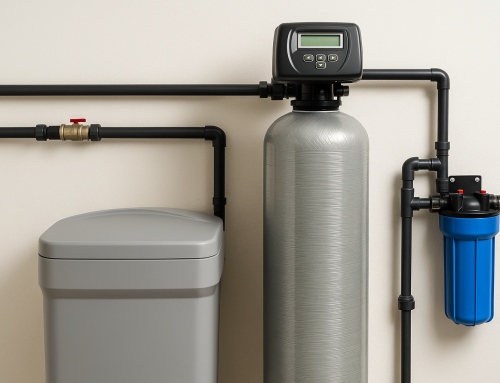
- Water softeners: Exchange calcium and magnesium to reduce scale, which protects plumbing and appliances.
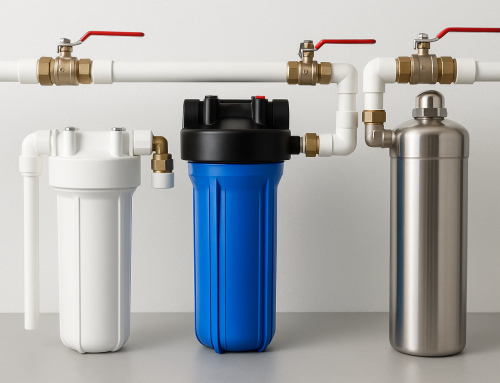
- Sediment filters: Capture sand, rust, and particulate matter to protect downstream equipment and improve clarity.
Point-of-entry vs. point-of-use
Whole home (point-of-entry) systems protect the entire household, while point-of-use systems (under-sink or countertop) treat water at a single tap. Many homes combine both approaches: a whole home system for general protection and a dedicated RO or specialty filter for drinking and cooking.
Health Benefits of Filtering All Water Sources in Your Home
- Reduced exposure to harmful chemicals: Lower levels of chlorine, heavy metals, and VOCs can reduce long-term health risks.
- Improved skin and hair health: Softer, cleaner water can reduce dryness, irritation, and damage from harsh chemicals.
- Lower respiratory risk: Cleaner shower water reduces inhalation of aerosols that can carry contaminants.
- Safer baby care: Clean water for formula, bathing, and bottle washing is critical for infants.
- Healthier household environment: Cleaner water helps laundry stay brighter and extends the life of appliances, reducing maintenance-related disruptions.
How to Choose the Right System
Test your water first
Start with a certified water test that checks for common contaminants in your area and any suspected issues. Test results guide the combination of technologies you need and prevent paying for unnecessary features.
Consider capacity, flow rate, and maintenance
Choose a system sized for your household water usage and peak flow demands. Understand filter life, replacement costs, and ease of maintenance—systems that are neglected won’t protect your family effectively.
Look for certifications and reputable installation
NSF/ANSI certifications and manufacturer warranties are important indicators of performance. Professional installation ensures correct setup, especially if your home requires pre-treatment (e.g., sediment or iron removal) before a filtration stage.
Installation, Maintenance, and Cost
Professional installation vs. DIY
Some homeowners can handle basic installations, but professional installation ensures proper sizing, placement, and integration with existing plumbing. Professionals can also recommend pre- or post-treatment to maximize effectiveness.
Maintenance tips
- Replace filters according to the manufacturer’s schedule.
- Keep records of tests and service visits.
- Flush systems after filter changes when recommended.
- Inspect for leaks and monitor water pressure for signs of clogging.
Cost considerations
Initial costs vary by technology and home size. Budget for ongoing filter replacements and occasional servicing. Remember that protecting appliances and reducing plumbing repairs can offset costs over time.
When to Act: Signs Your Home Needs Whole Home Filtration
Watch for unusual tastes or odors, staining on fixtures or laundry, persistent skin irritation, cloudy water, or frequent appliance scaling. Any concerning test results or known local contamination events are immediate triggers to install or upgrade filtration.
Conclusion
Whole home water filtration is a proactive step to safeguard health and protect your household. By testing your water, choosing the right combination of technologies, and keeping up with maintenance, you can significantly reduce exposure to contaminants across every tap. For personalized recommendations and professional installation, reach out to Custom Filtration Systems to schedule an appointment and take the next step toward cleaner, healthier water for your home.