Introduction
Well water can be an excellent, cost-effective source of clean water — but only if your filtration system is maintained properly. Regular upkeep not only ensures safe, great-tasting water but also extends the life of your equipment and saves money on repairs. This guide walks you through essential maintenance tasks, troubleshooting tips, and when to call a professional.
Why Routine Maintenance Matters
Well water contains minerals, sediment, and sometimes bacteria or other contaminants that can clog, corrode, or damage filtration systems over time. Without routine care, filters lose effectiveness, flow rates decline, and systems can fail unexpectedly. Proper maintenance preserves water quality, protects household plumbing and appliances, and keeps costs predictable.
Basic Maintenance Tasks
Inspect the System Monthly
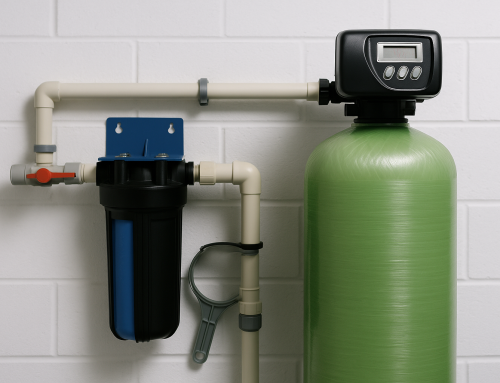
Perform a visual check at least once a month. Look for leaks, corrosion, unusual noises from pumps, and any visible damage to tanks or housings. Note changes in water pressure or appearance — cloudy, discolored, or oddly scented water are signs something needs attention.
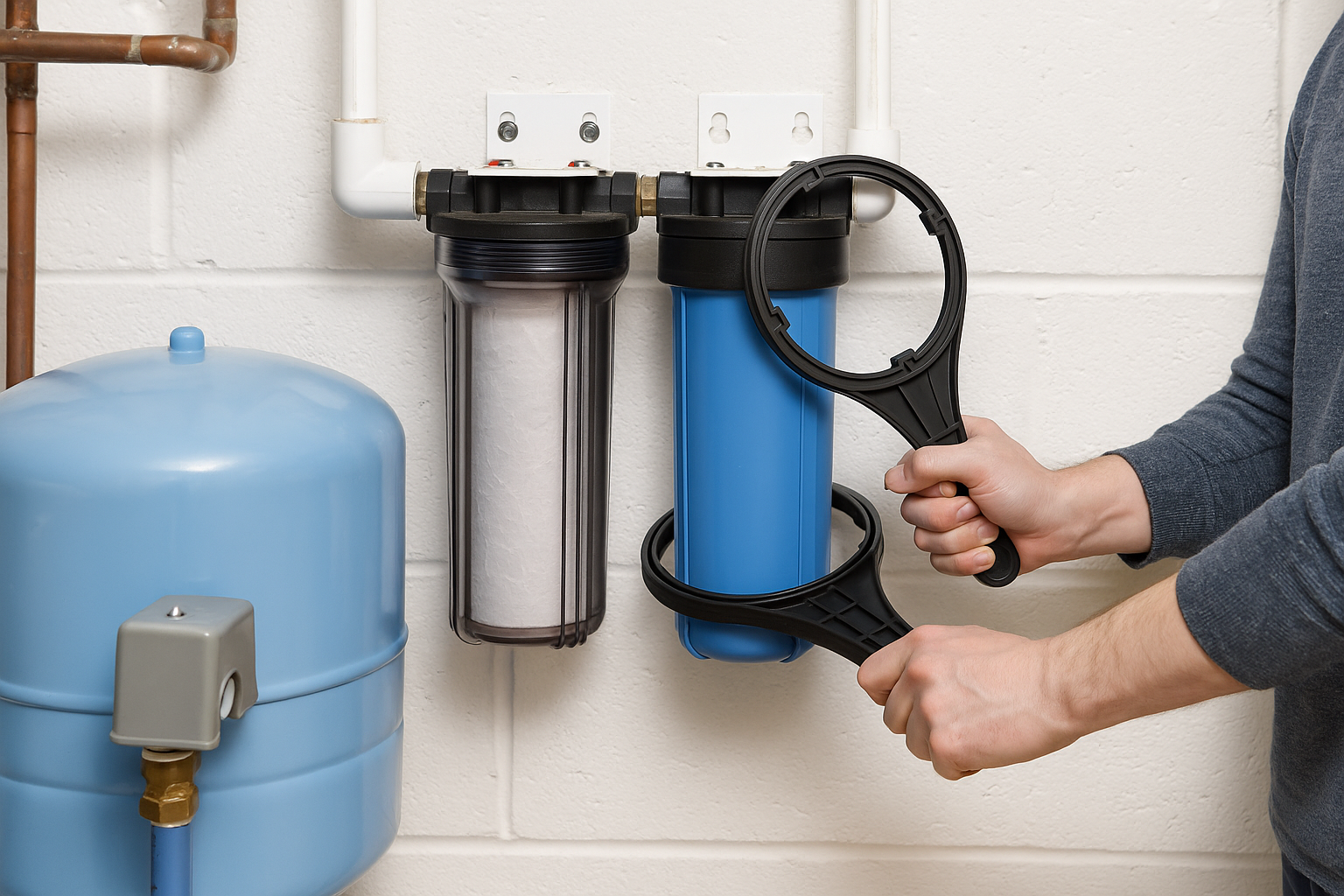
Replace Filters and Media on Schedule
Filters and media have finite lifespans. Follow manufacturer guidelines for replacement intervals, which depend on filter type and water quality. Common timelines:
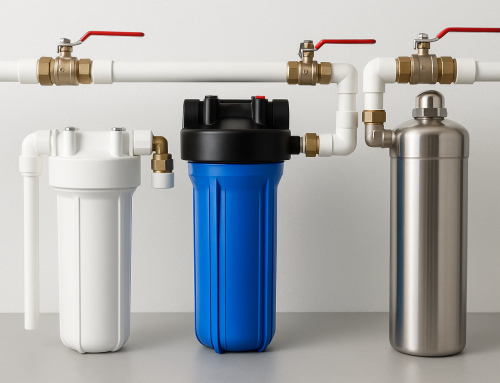
- Sediment pre-filters: every 3–6 months
- Carbon filters: every 6–12 months
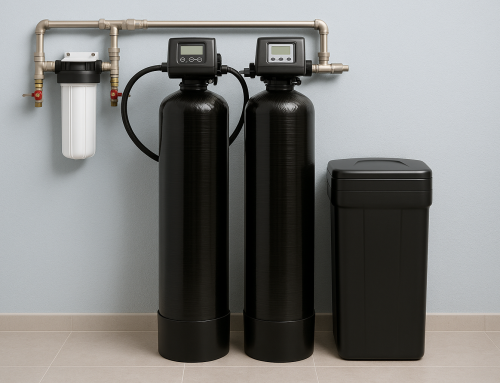
- Water softener resin: 5–10 years (or as needed)
- UV lamp: typically every 1–2 years
Keep a maintenance log with dates and filter types to avoid guesswork.
Sanitize Tanks and Lines Periodically
Bacterial contamination can occur, especially after a system has been opened or serviced. Sanitize storage tanks and piping at least once a year or after any repair that exposes the system. Use a bleach solution or manufacturer-recommended sanitizer and follow safe handling guidelines.
Seasonal and Annual Care
Prepare for Winter
If you live in a cold climate, protect above-ground tanks and exposed piping from freezing. Insulate exposed sections, and consider heat tape for vulnerable components. Freezing can rupture housings and damage pumps, so winterizing is essential.
Schedule an Annual Professional Inspection
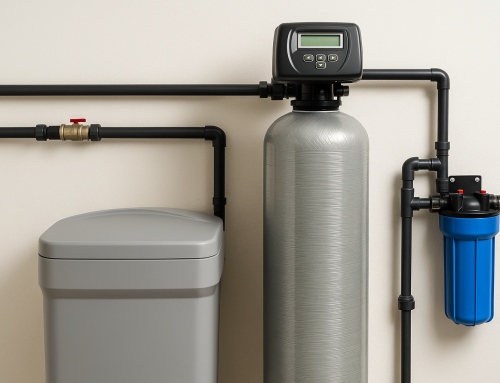
A yearly check by a qualified technician ensures components like pressure tanks, pumps, valves, and electrical controls are functioning properly. Professional testing of water quality (bacteria, nitrates, pH, hardness, iron, and other parameters) can reveal changes that require different treatment approaches.
Troubleshooting Common Problems
Low Water Pressure
Often due to clogged filters, blocked lines, or a failing pressure tank. Replace pre-filters first; if pressure doesn’t improve, check the pressure tank and pump settings or contact a pro.
Discolored or Bad-Tasting Water
Rusty or brown water often comes from corroded piping or high iron content. Cloudy water can indicate suspended sediment. Replace filters, backwash systems if applicable, and run a water test to pinpoint causes.
System Making Noise
Unusual noises may indicate air in the system, pump cavitation, or worn bearings. Turn the system off and inspect visually, then call a technician if the noise persists.
DIY vs Professional Service
Many routine maintenance tasks like filter swaps, basic inspections, and sanitizing can be done by handy homeowners. However, electrical repairs, pump replacements, complex media changes, and detailed water testing are best handled by professionals. Mistakes can lead to contamination, equipment damage, or voided warranties.
Tips to Prolong System Life
- Use quality replacement parts that meet your system specifications.
- Keep a maintenance calendar with reminders for filter changes and inspections.
- Install a pre-filter or sediment trap if your well water has visible particles — this protects downstream equipment.
- Monitor water quality and adjust treatment as your well conditions change over time.
- Document any repairs or adjustments for future technicians.
When to Call a Professional
Contact a qualified technician if you notice persistent pressure problems, contamination on testing, electrical issues, or if you’re planning major upgrades. Professionals can run comprehensive water tests, advise on the right treatment, and safely perform repairs. If you’d rather have a pro handle it, reach out to Custom Filtration Systems for an appointment — they can evaluate your system, perform needed maintenance, and help create a long-term plan for reliable well water.
Conclusion
Maintaining a well water filtration system is a mix of regular DIY checks and periodic professional attention. By replacing filters on schedule, sanitizing tanks, staying on top of seasonal needs, and calling in experts when necessary, you’ll enjoy safer water, fewer breakdowns, and lower long-term costs. For hands-on help or to schedule service, reach out to Custom Filtration Systems for an appointment and keep your well running smoothly.