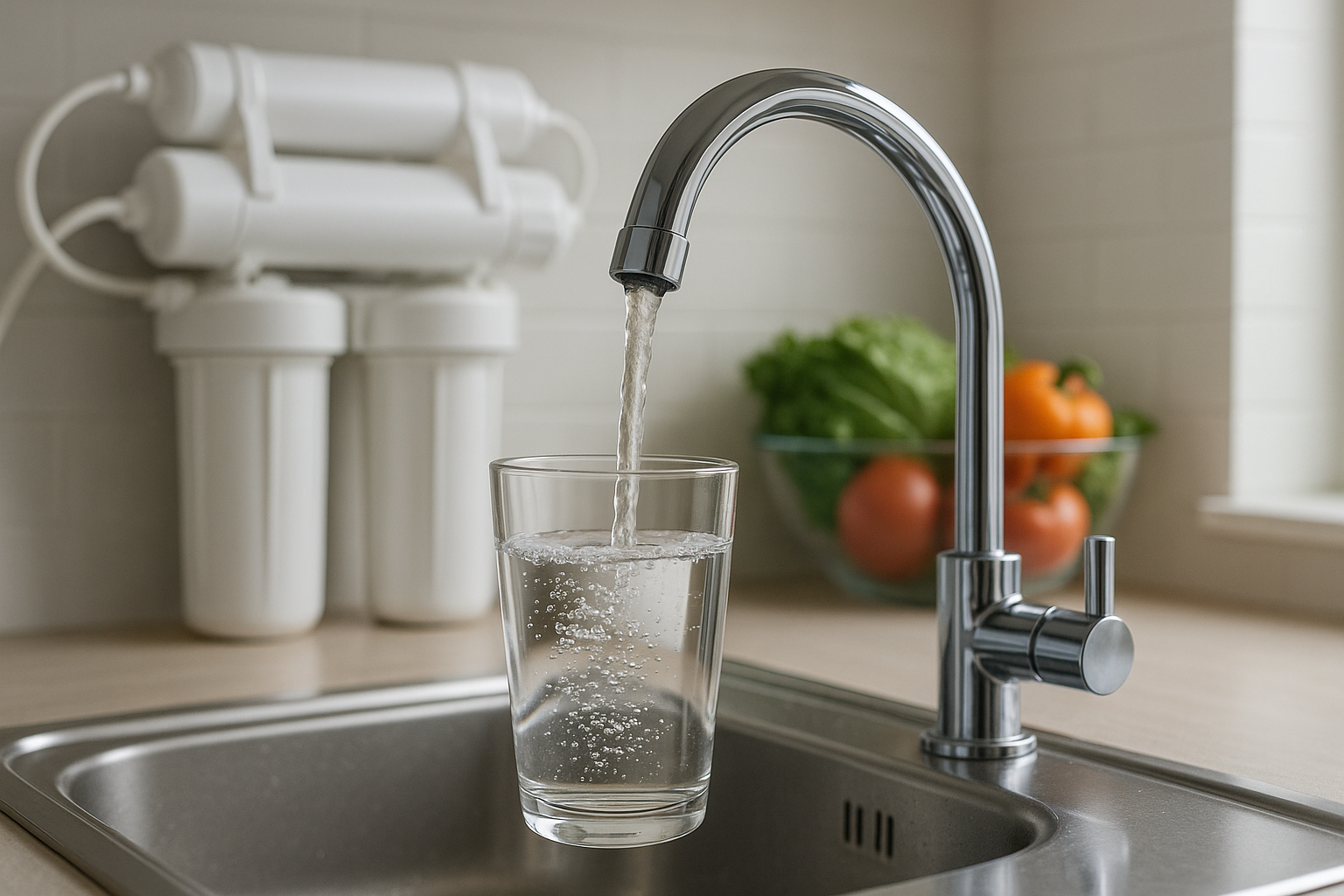
Why Home Water Filtration Matters
Access to clean water is something many of us take for granted, yet tap water can carry sediments, chlorine tastes, heavy metals, and other contaminants that affect health, appliances, and everyday enjoyment. Installing a home water filtration system puts control back in your hands, ensuring the water you drink, cook with, and bathe in meets higher standards than municipal treatment alone.
Common contaminants and concerns
Municipal systems do a lot to protect public health, but they may not remove everything. Lead from old pipes, chlorine and its byproducts, pesticides, microplastics, and disinfection byproducts can remain. Private wells can have additional risks like bacteria, nitrates, and agricultural runoff. A home filtration system targets these issues where it matters most—right at your tap.
Taste, odor, and confidence
Beyond safety, unfiltered water can taste or smell unpleasant. Many homeowners notice an immediate improvement in taste and clarity after installing a filter, which encourages better hydration and gives peace of mind when using water for cooking and beverages.
Key Advantages of Home Water Filtration
1. Health and safety improvements
A quality filtration system reduces exposure to harmful contaminants like lead, certain bacteria, and disinfection byproducts. For families with young children, elderly members, or immune-compromised individuals, this extra layer of protection can be particularly important.
2. Improved taste and appearance
Filtered water often looks clearer, tastes fresher, and smells better. That makes a big difference for drinking water, coffee, tea, and cooking. Many people find filtered water enhances the flavor of food and beverages without the need for bottled water.
3. Cost savings and environmental benefits
Although there is an upfront cost for equipment and installation, long-term savings are significant when you stop buying bottled water. Reducing plastic bottle use also lowers your household’s environmental footprint—less plastic waste, less transportation emissions, and fewer single-use items ending up in landfills.
4. Convenience, consistency, and control
With a home filtration system, you get consistent quality every day. No more lugging bottled water home or worrying about temporary municipal advisories. Some systems offer multiple stages and customizable filtration to match your specific water quality needs.
5. Protecting appliances and plumbing
Sediment, mineral buildup, and chlorine can shorten the life of appliances like coffee makers, ice machines, and water heaters. Filtration reduces scale and sediment, helping maintain efficiency and reduce maintenance costs over time.
Types of Home Water Filtration Systems
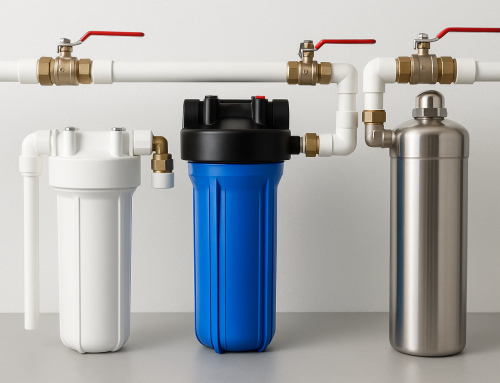
Activated carbon filters
Excellent for removing chlorine, bad tastes, and many organic compounds. Carbon filters are common in pitchers, faucet-mounted units, and under-sink systems.
Reverse osmosis (RO)
RO systems provide thorough filtration by pushing water through a semi-permeable membrane. They remove dissolved solids, many heavy metals, and a wide range of contaminants, making them popular for drinking and cooking water.
Whole-house (point-of-entry) systems
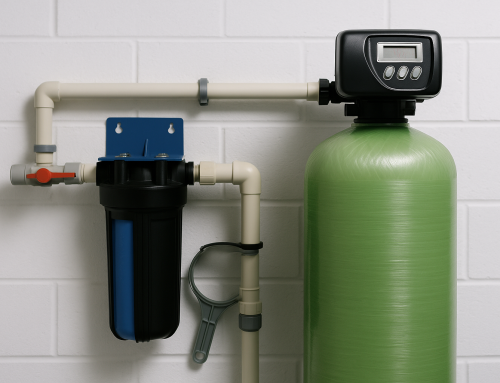
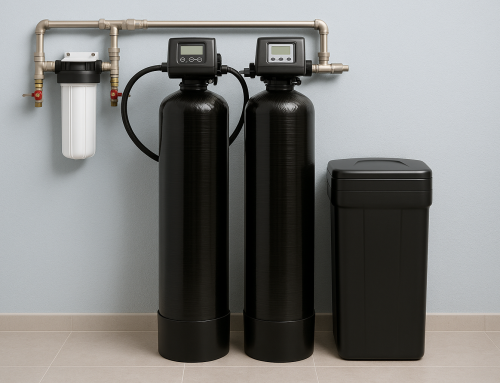
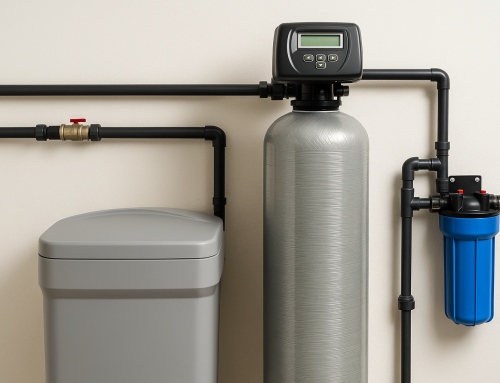
Installed where water enters your home, whole-house filters treat water used for bathing, laundry, and all faucets. They’re a great option for addressing issues like sediment, hardness, and chlorine throughout the house.
Under-sink and countertop options
Under-sink units give dedicated filtered water at a specific tap, while countertop or pitcher filters are low-cost, low-effort solutions for renters or those wanting an entry-level option.
How to Choose the Right System
Start with a water test
Understanding what’s in your water is the first step. A certified lab test or a professional assessment will reveal contaminants and help determine whether you need point-of-use filtration (like RO) or a whole-house solution.
Consider flow rate, capacity, and maintenance
Think about your household’s daily water use, how often filters need replacing, and the cost of replacement parts. Ease of maintenance and filter availability are practical factors that impact long-term satisfaction.
Look for certifications and professional installation
NSF/ANSI certifications confirm a filter’s performance claims. For whole-house systems or RO units, professional installation ensures proper setup and peak performance. For personalized recommendations and to schedule a professional installation, reach out to Custom Filtration Systems for an appointment.
Maintaining Your System
Regular filter replacement
Filters need replacing according to manufacturer guidelines. Neglecting replacements can reduce effectiveness and potentially allow contaminants to bypass the system. Set calendar reminders or enroll in a filter delivery plan to stay on track.
Professional inspections and service
Annual inspections by a qualified technician can catch issues early, ensure seals and connections are sound, and confirm your system continues to meet your household’s needs. Custom Filtration Systems can help with testing, maintenance, and timely service.
Conclusion
Home water filtration provides tangible benefits: improved health protection, better taste and clarity, cost savings, environmental advantages, and appliance longevity. The right system depends on your water quality, budget, and household needs. For tailored advice, testing, and professional installation, reach out to Custom Filtration Systems to schedule an appointment and take the first step toward cleaner, better-tasting water at home.