Understanding Hard Water
What is hard water?
Hard water contains high levels of dissolved minerals, primarily calcium and magnesium. These minerals aren’t harmful to your health in most cases, but they create practical problems around the house. If you notice chalky residue on faucets, reduced soap lather, or cloudy glassware, you’re likely dealing with hard water.
How hard water affects your home
Hard water can lead to scale buildup inside pipes and appliances, reducing efficiency and shortening lifespan. Clothes can feel scratchy, hair and skin may seem dry, and water-using appliances—like dishwashers and water heaters—may require more energy to operate. Addressing hard water improves comfort, saves money, and protects your home’s plumbing.
Home Water Filtration Options for Hard Water
Water Softeners (Ion Exchange)
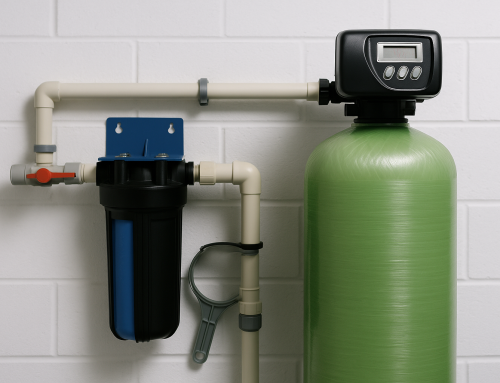
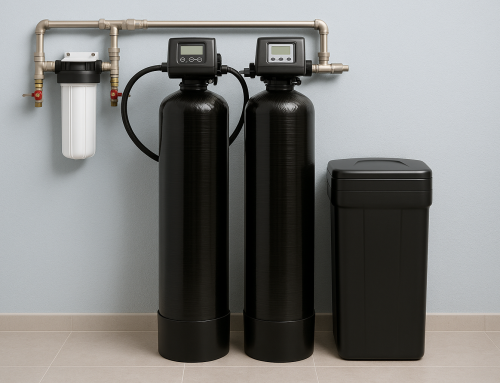
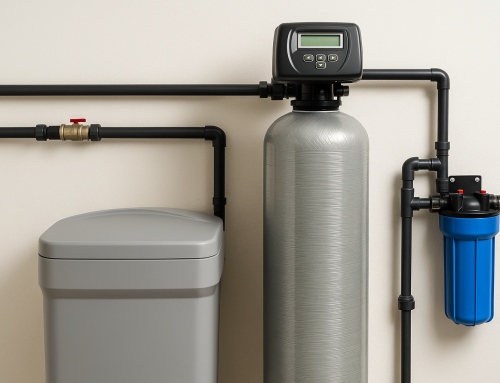
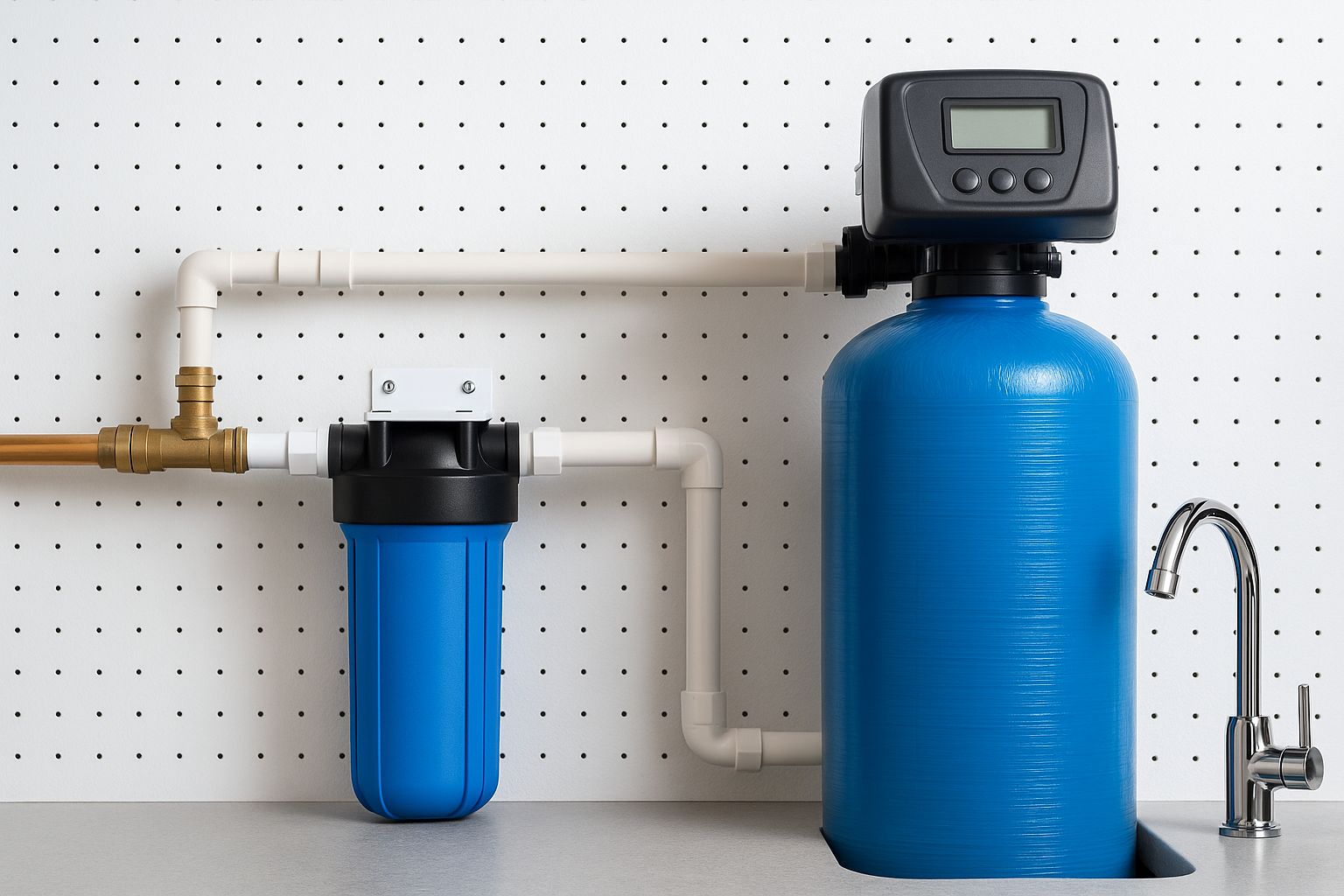
Traditional water softeners use ion exchange to replace calcium and magnesium ions with sodium or potassium ions. They’re highly effective at preventing scale and are the go-to solution for many households with hard water. Benefits include improved soap performance, longer appliance life, and cleaner fixtures. Consider a salt-based system for the best results, or a salt-free alternative if you need to limit sodium output.
Reverse Osmosis Systems
Reverse osmosis (RO) systems remove a wide range of contaminants, including many minerals associated with hard water, at a point-of-use (usually under the kitchen sink). RO produces very pure water for drinking and cooking, but it’s less practical as a whole-house solution because it wastes some water and typically requires storage tanks. Pairing an RO system with a water softener can deliver both soft water throughout the home and ultra-pure drinking water.
Magnetic and Electronic Descalers
Magnetic and electronic descalers claim to reduce limescale by altering mineral crystal formation. They are easy to install and require minimal maintenance, but results vary depending on water chemistry and system quality. These devices can help reduce visible scale but don’t remove minerals like softeners do, so they may not solve all hard-water issues.
Whole-House Filtration vs Point-of-Use
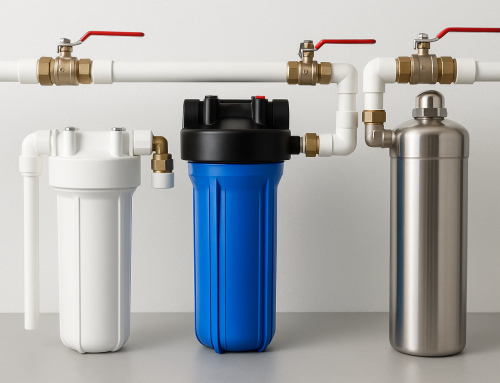
Choose whole-house (point-of-entry) systems to protect plumbing and appliances everywhere water is used. Point-of-use systems (like RO under the sink) are ideal for drinking and cooking water. A common strategy is a whole-house softener plus RO for the kitchen to get the benefits of both approaches.
Choosing the Right System
Testing Your Water
Start with a water test to measure hardness (usually in grains per gallon or ppm), pH, and other contaminants. Many home test kits are available, but a professional test provides a clearer picture of what your water needs. Knowing the hardness level helps size and select the right system.
Factors to Consider
- Household size and water usage: Larger families need systems with higher capacity.
- Budget: Initial costs, ongoing maintenance (salt, filters), and energy use vary by system.
- Health considerations: If you’re on a low-sodium diet, consider potassium-based softeners or salt-free options.
- Space and installation limits: Whole-house systems require space near the main water supply, while point-of-use units need under-sink room.
Installation and Maintenance
Professional Installation vs DIY
Professional installation ensures correct sizing, proper placement, and compliance with local plumbing codes. DIY installation can save money if you are comfortable with plumbing work, but mistakes can reduce system performance or void warranties. For the best long-term results, many homeowners opt for professional installation.
Maintenance Tips
Regular maintenance keeps your system running smoothly. For salt-based softeners, check and refill salt levels and clean brine tanks annually. Replace RO filters according to manufacturer schedules (usually every 6–12 months) and sanitize storage tanks as needed. Schedule periodic inspections to verify optimal performance.
Cost and ROI
Initial costs vary: basic water softeners often start in the low hundreds to a few thousand dollars for high-end models. Whole-house filtration systems and RO units add to the investment. Consider long-term savings: fewer plumber calls, longer appliance life, lower energy bills, and reduced detergent use. Over time, improved appliance efficiency and fewer repairs typically justify the expense.
Conclusion
Dealing with hard water is about balancing comfort, cost, and convenience. Whether you choose a traditional softener, an RO system for drinking water, or a combination approach, the right solution depends on your water test results and household needs. For personalized guidance and professional installation, reach out to Custom Filtration Systems for an appointment—our team can help you choose and install the best system for your home.