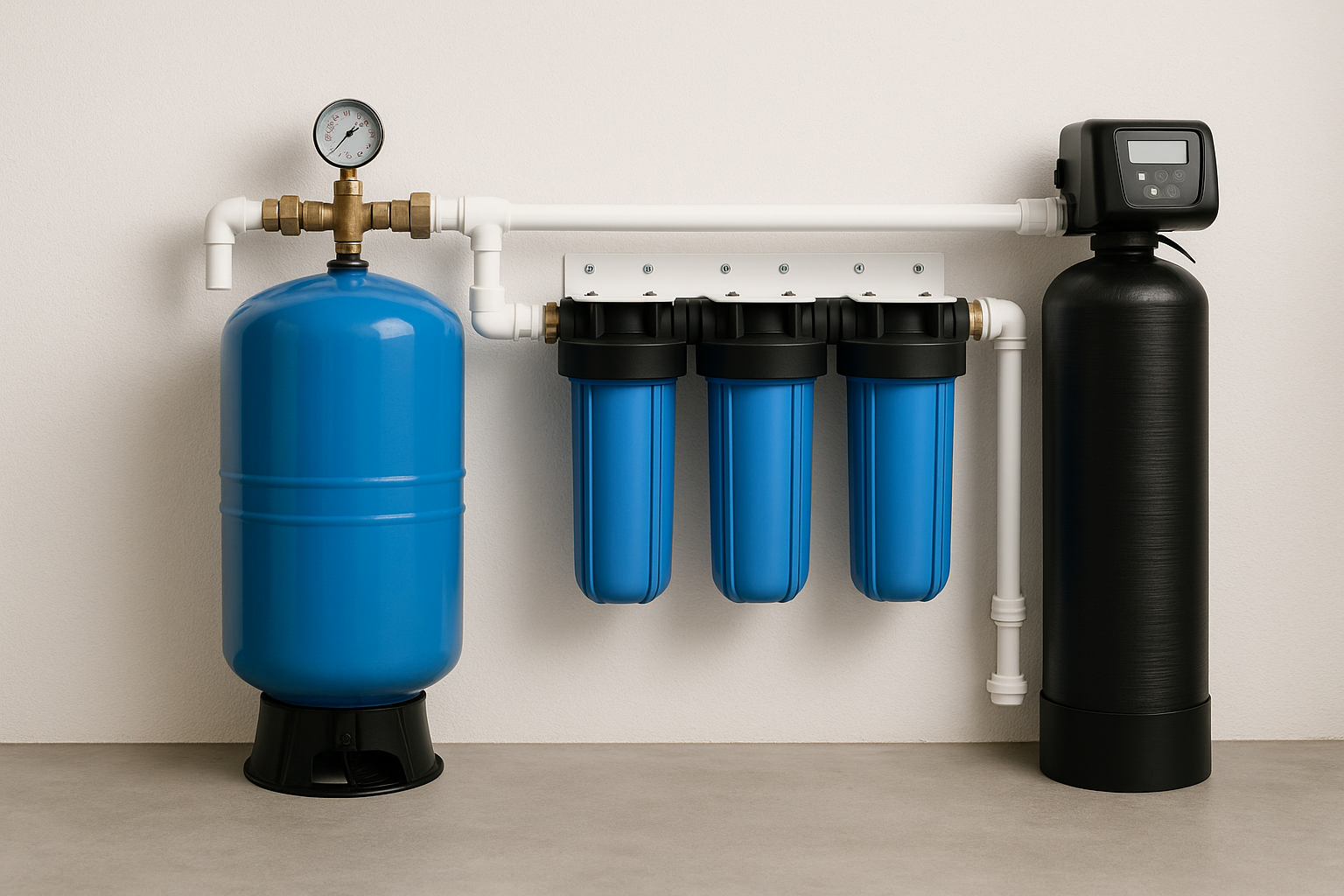
Intro: Why Well Water Filtration Reviews Matter
If your home relies on a private well, you know the peace of mind clean water brings — and the worry that follows when something tastes or smells off. Well water quality varies widely by location and can contain sediment, iron, manganese, bacteria, and other contaminants. Reviews of well water filtration systems help cut through marketing claims so you can pick a system that fits your water profile, budget, and maintenance comfort level.
Common Well Water Contaminants
Sediment and Turbidity
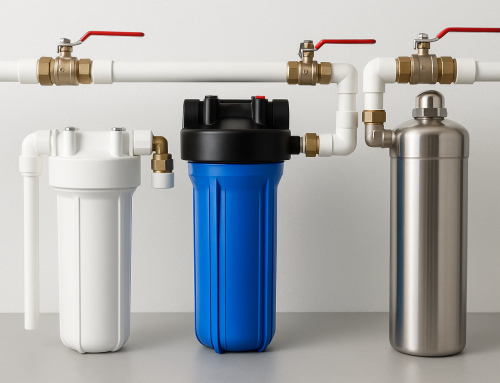
Sand, silt, and clay are common in well water and clog fixtures and appliances. Sediment pre-filters or whole-house filters remove these larger particles and protect downstream equipment.
Iron and Manganese
Iron causes rust-colored stains and metallic taste; manganese can discolor laundry and plumbing. Specialized oxidizing filters or ion exchange systems are effective against these minerals.
Bacteria and Viruses
Coliform bacteria and occasionally more harmful pathogens can make well water unsafe. Ultraviolet (UV) disinfection or properly maintained chlorination systems address biological contamination.
Hardness and Dissolved Minerals
Hard water (calcium and magnesium) leads to scale buildup. Water softeners won’t remove everything but can protect appliances and improve soap performance.
How We Evaluate Well Water Filtration Systems
A good review focuses on real-world performance, not just specs. Here are the factors we prioritize:
- Contaminant removal capability: Does the system target the specific problems in your water report?
- Certifications: NSF/ANSI certifications for specific contaminant reduction provide independent verification.
- Flow rate and capacity: Will the system meet whole-house demand or just a point-of-use?
- Installation & maintenance: Is professional installation required? How often do filters need replacement?
- Cost: Initial investment plus ongoing filter replacement and power costs.
Top Types of Well Water Filtration Systems
Whole-House (Point-of-Entry) Filters
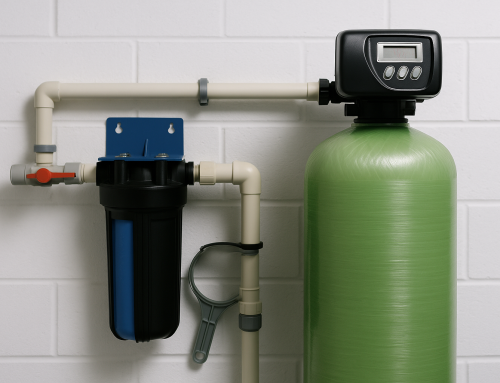
Installed where water enters the home, these protect plumbing and appliances and treat water for the entire household. They’re ideal for sediment removal and reducing iron or chlorine (if present).
Reverse Osmosis (RO) Systems
RO systems provide excellent point-of-use purity, removing dissolved solids and many contaminants. They’re best for drinking and cooking water and are commonly installed under the kitchen sink or in a dedicated RO faucet.
UV Disinfection
UV systems inactivate bacteria and viruses without chemicals. They’re a must when testing shows biological contamination, but they do not remove chemicals or particulates.
Iron/Manganese Filters and Water Softeners
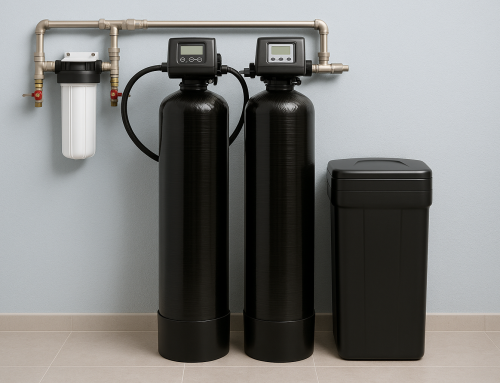
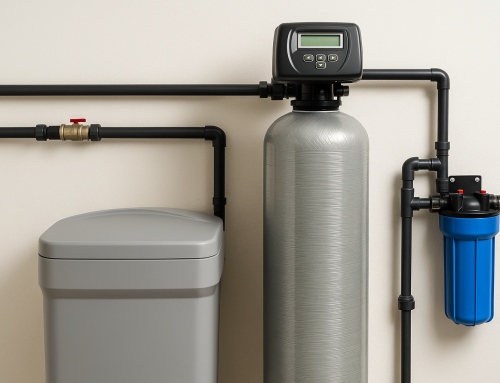
Oxidizing filters and ion exchange systems target iron and manganese. Water softeners address hardness; some setups combine softening and filtration for comprehensive treatment.
Reviewed Systems & What to Expect
Below are several systems frequently recommended for well water — summarized from performance, customer feedback, and service availability.
SpringWell Whole House Well Water Filter
Pros: Designed specifically for well water, handles sediment and iron with robust flow rates and comes with long filter life.
Cons: Higher up-front cost and professional installation is often recommended.
APEC Reverse Osmosis (RO) Systems
Pros: Excellent contaminant removal for drinking water, reliable filters, and good customer support.
Cons: RO wastes some water (unless a permeate pump is included) and is point-of-use, not whole-house.
Home Master Whole House and RO Combo
Pros: Strong reputation for durability and improved filter designs that reduce maintenance frequency.
Cons: Higher cost for combined systems and requires adequate space for installation.
iSpring Iron and Sediment Filters
Pros: Cost-effective options for basic iron and sediment problems. Easy filter changes for handy homeowners.
Cons: May need additional treatment stages for bacteria or dissolved metals.
Practical Tips Before You Buy
- Get a comprehensive water test: Know the exact contaminants and concentrations before choosing a system.
- Match system capacity to household needs: Consider peak flow rates for showers, laundry, and irrigation.
- Check local support: Systems backed by local service networks (like Custom Filtration Systems) make maintenance and warranty work less stressful.
- Plan for maintenance costs: Budget for filter replacements, possible media regeneration, and occasional service calls.
Scheduling a Professional Consultation
Well water systems are most effective when tailored. If you’re unsure which solution fits your well profile, reach out to Custom Filtration Systems for an appointment. Their team can interpret your water test, recommend an appropriate system, and handle professional installation so you get reliable results without the guesswork.
Conclusion
Choosing the right well water filtration system comes down to understanding your water, balancing upfront and ongoing costs, and picking a system that targets your specific contaminants. Read multiple reviews, verify certifications, and when in doubt, schedule an appointment with Custom Filtration Systems to get expert guidance and a setup that protects your home and health.