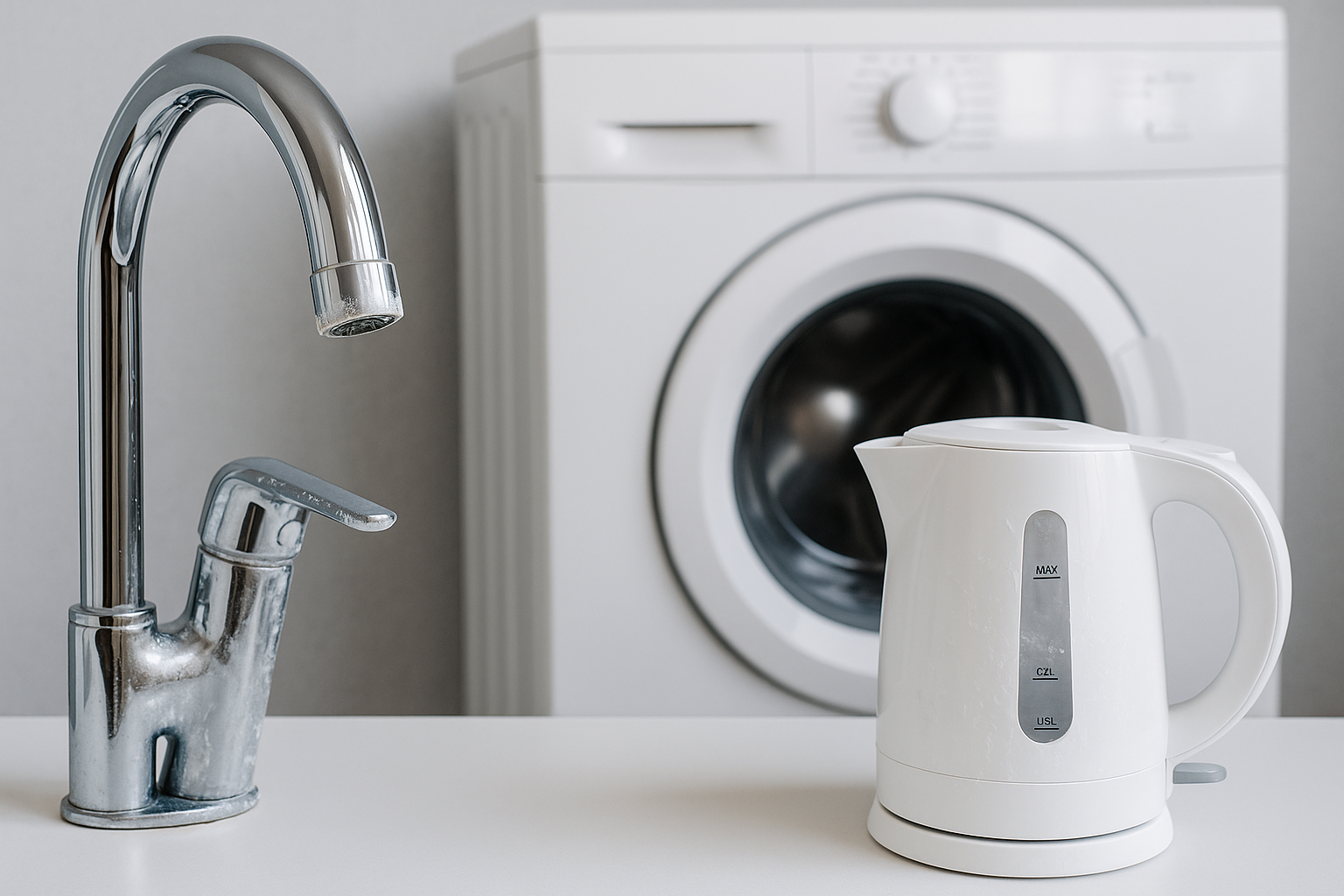
Understanding Hard Water
Hard water contains high levels of dissolved minerals, primarily calcium and magnesium. While it’s not harmful to drink, these minerals can have a serious impact on household appliances and plumbing systems over time. Recognizing how hard water affects your appliances helps you make smarter choices about maintenance and water treatment.
How Hard Water Damages Appliances
Mineral buildup from hard water can reduce efficiency, shorten appliance lifespan, and increase energy and repair costs. Below are the common appliances affected and how the damage typically appears.
Washing Machines
- Mineral residue accumulates in drums, hoses, and detergent dispensers, leading to clogs and unpleasant odors.
- Clothes can feel stiff and look dingy faster because soap doesn’t dissolve or rinse as effectively.
- Hard water scale forces the machine to work harder, often increasing cycle times and energy use.
Dishwashers
- Spots and mineral film on glassware and dishes are common when hard water reacts with detergent.
- Scale builds up on spray arms and heating elements, reducing cleaning performance and potentially causing premature failure.
Water Heaters
- Scale settles at the bottom of tanks and on heating elements, insulating them and making them less efficient.
- Reduced heat transfer increases energy consumption and can cause the thermostat to run longer or fail.
- Over time, sediment buildup can lead to corrosion, leaks, and the need for early replacement.
Coffee Makers, Kettles, and Small Appliances
- Scale forms on heating elements and inside reservoirs, affecting flavor and performance.
- Regular descaling is required more often, and some appliances may lose effectiveness or break down sooner.
Signs Your Appliances Are Suffering from Hard Water
- White or chalky deposits around faucets, showerheads, and appliance seams.
- Reduced water flow from fixtures due to mineral-clogged aerators and valves.
- Appliances taking longer to heat, longer cycles, or higher energy bills.
- Stains, spots, and buildup on dishes, glassware, and cookware.
- Frequent need for repairs or earlier-than-expected appliance replacement.
Preventing and Mitigating Hard Water Damage
Fortunately, you can take practical steps to protect appliances and extend their life.
Water Softeners
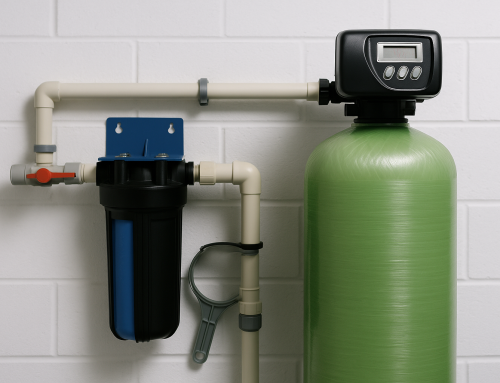
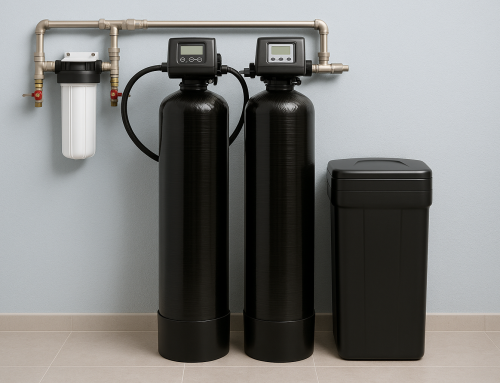
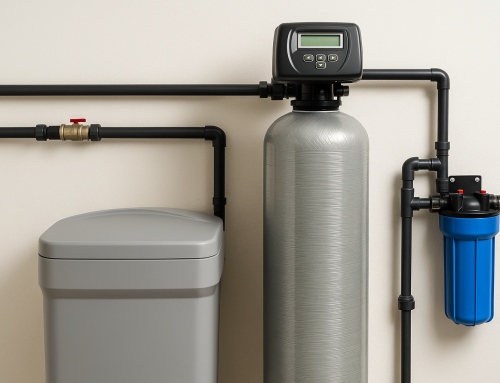
Traditional ion-exchange water softeners replace calcium and magnesium with sodium or potassium ions. They are highly effective at preventing scale buildup and are commonly installed at the home’s main water line to protect all appliances and plumbing.
Point-of-Use Filters and Descalers
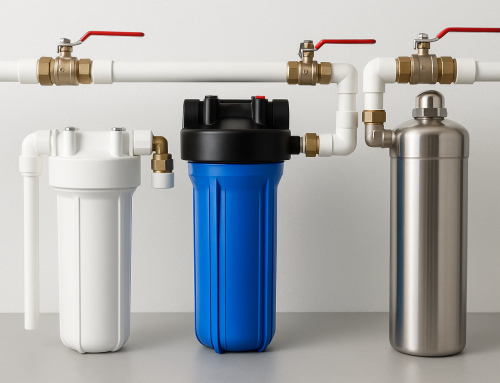
For homeowners who prefer not to soften all household water, point-of-use options (such as under-sink filters or reverse osmosis systems) protect specific appliances like refrigerators or coffee makers. Electronic or magnetic descalers claim to reduce scaling, but performance can vary—choose products with credible testing and warranties.
Regular Maintenance
Routine descaling, cleaning, and following manufacturer-recommended maintenance can slow the effects of hard water. For example, flushing and flushing water heaters, cleaning dishwasher filters, and running periodic vinegar descaling cycles for kettles and coffee makers helps keep mineral buildup under control.
Cost Implications of Hard Water
Hard water increases operating costs in several ways: higher energy bills due to less efficient heating, more frequent appliance repairs, shortened equipment lifespan, and increased use of soaps and detergents. Over a decade, these added costs can outweigh the investment in a quality whole-home water treatment system.
When to Consider Professional Help
If you’re seeing persistent signs of mineral buildup despite DIY efforts—or if you want a long-term, cost-effective solution—consulting a water treatment professional is a smart next step. A specialist can test your water hardness, recommend the right system for your home, and handle installation and maintenance so your appliances stay protected.
Ready to protect your appliances and lower long-term costs? Reach out to Custom Filtration Systems for an appointment to evaluate your water quality and recommend tailored filtration or softening solutions.
Conclusion
Hard water quietly damages appliances through mineral buildup, increasing energy use, repair bills, and replacement frequency. Identifying the signs early, implementing proper water treatment, and keeping up with maintenance will preserve appliance performance and save money over time. Contact Custom Filtration Systems to get an expert assessment and help choosing the right solution for your home.