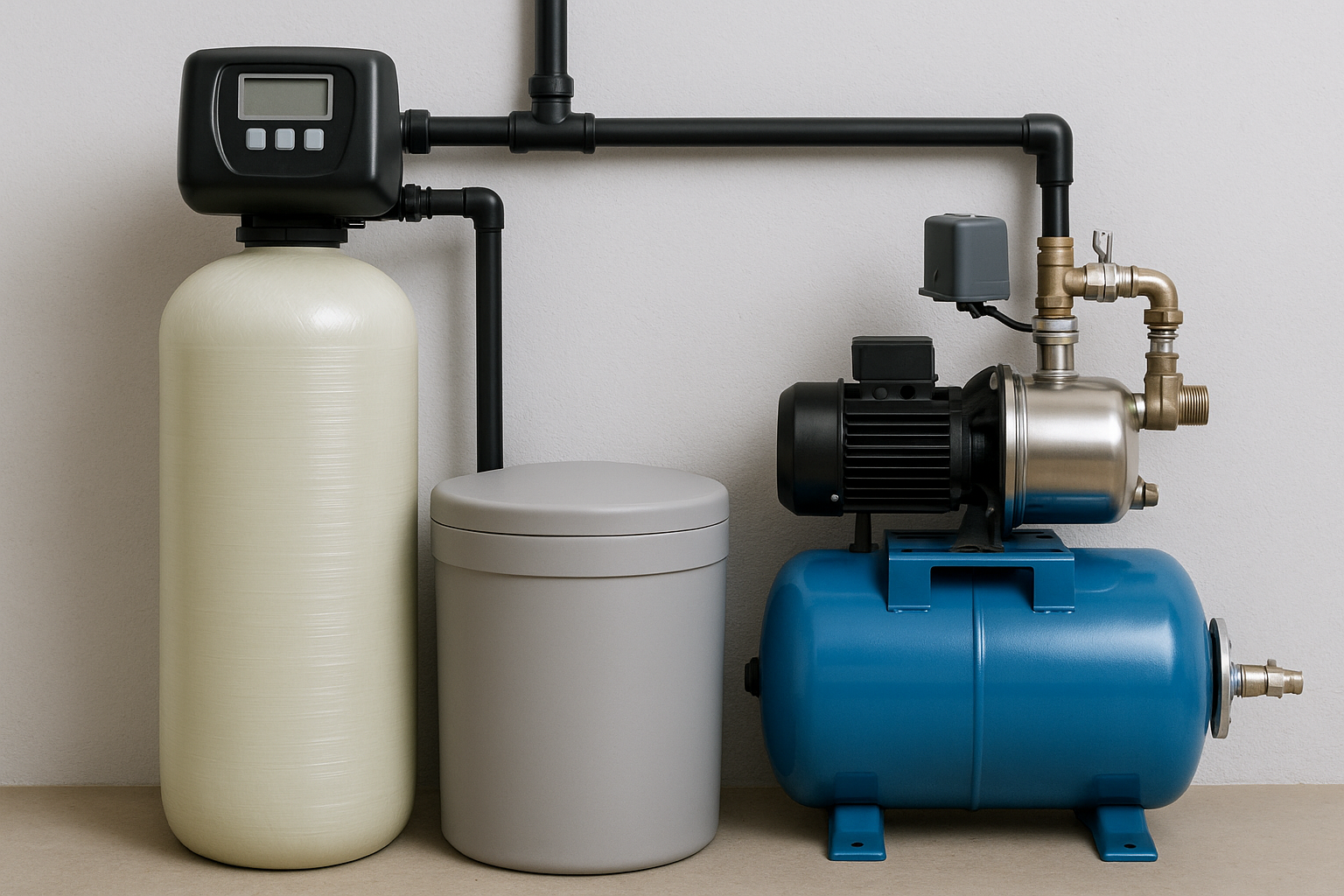
Why Well Water Often Needs a Water Softener
If your home is supplied by a private well, you may notice scale buildup on faucets, dingy laundry, or dry skin after showers. These are classic signs of hard water — high levels of calcium and magnesium that cause scale and reduce appliance efficiency. Well water commonly contains not only hardness minerals but also iron, manganese, and sediment, which is why selecting the right water softener system is crucial for lasting results.
How to Test Your Well Water
Before buying any equipment, test your water. A good water test will measure:
- Hardness (grains per gallon, GPG)
- Iron and manganese levels
- pH and total dissolved solids (TDS)
- Sediment or turbidity
Local labs, DIY test kits, or professional testing through a company like Custom Filtration Systems can provide accurate results. Knowing the numbers helps size the system and decide if pre-treatment is needed.
Types of Water Softeners for Well Water
Ion-Exchange (Salt-Based) Softeners
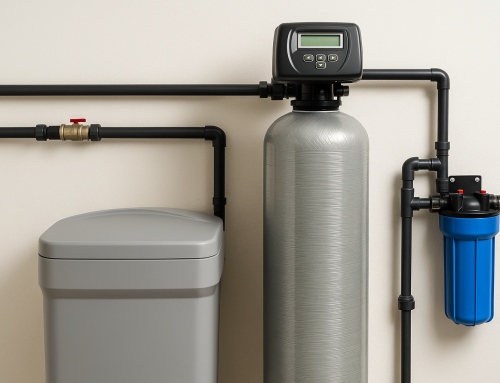
The most common solution uses resin to exchange hardness ions for sodium or potassium. These systems are highly effective at removing hardness and improving soap performance. They require periodic salt or potassium refills and scheduled regeneration cycles.
Salt-Free (Conditioning) Systems
Salt-free systems don’t remove calcium and magnesium but treat them to prevent scale formation. They are low-maintenance and don’t add sodium to your water, making them an option for households concerned about salt use. However, they may be less effective in very hard water or when iron is present.
Dual-Tank (Continuous Softening)
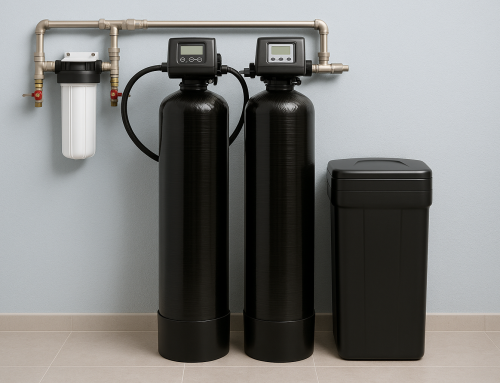
Dual-tank systems provide continuous soft water because one tank regenerates while the other is in service. They’re ideal for larger homes or properties with high water use.
Specialized Filters for Iron and Sediment
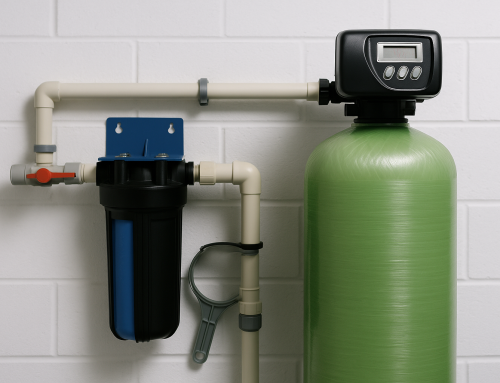
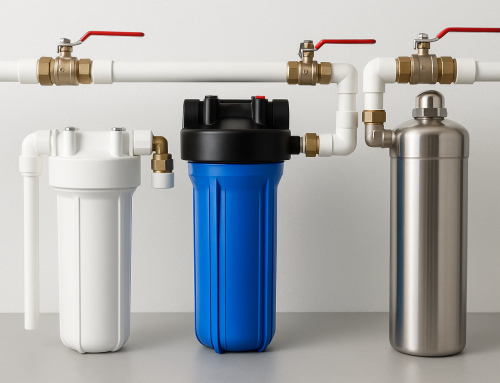
Well water often contains iron and sediment that can foul a softener. An iron filter or sediment filter placed before the softener protects the resin bed and improves overall performance. In cases of high iron, oxidation or greensand filters may be necessary.
Sizing Your Water Softener
Sizing depends on water hardness and household water use. Calculate total daily grains removed: multiply GPG by gallons per day. Choose a softener with a capacity that matches your household demand plus a safety margin. Oversizing reduces regeneration frequency and salt use; undersizing leads to frequent regeneration and poorer performance.
Installation Considerations
When installing a system for well water, consider:
- Pre-treatment: sediment and iron removal if needed
- Space and drain location for regeneration wastewater
- Electrical hookup for control valves and timers
- Bypass valve to isolate the softener for maintenance
- Local codes and any required permits
Professional installation ensures correct plumbing, electrical connections, and proper system programming. For tailored recommendations and installation, reach out to Custom Filtration Systems to schedule an appointment.
Maintenance and Operating Costs
Maintenance depends on system type. Salt-based softeners require:
- Salt or potassium replenishment every 4–8 weeks (depending on usage)
- Occasional resin cleaning if iron is present
- Annual inspections of valves and seals
Salt-free systems need less frequent attention but benefit from annual checks. Budget for salt, replacement filters, occasional professional service, and increased water used during regeneration. Proper maintenance extends system life and keeps water quality consistent.
Costs and Return on Investment
Initial costs vary: basic salt-based softeners start in the low hundreds to a few thousand dollars for higher-capacity or dual-tank systems. Installation and pre-treatment increase total cost. However, benefits—longer appliance life, lower energy bills due to more efficient water heaters, reduced soap and detergent use, and improved plumbing lifespan—often justify the investment over time.
Benefits of Softeners for Well Water
- Prevents scale buildup in pipes, water heaters, and appliances
- Improves soap lathering and leaves skin and hair feeling softer
- Reduces spotting on dishes and glassware
- Extends life and efficiency of water-using appliances
Common Questions
Do I need a water softener if I have an iron problem?
Often yes — but only after iron removal or with a softener designed to handle iron. Iron can foul resin, so pre-treatment is usually recommended.
Will a softener remove bacteria or chemicals?
No. Softening targets hardness minerals. If bacterial contamination or chemical pollutants are a concern, additional filtration like UV disinfection or activated carbon is required.
Conclusion
Choosing the right water softener system for well water starts with testing and understanding your household needs. With the proper pre-treatment, correctly sized system, and routine maintenance, you’ll enjoy softer water and longer-lasting plumbing and appliances. For personalized guidance and professional installation, reach out to Custom Filtration Systems to schedule an appointment — they can assess your well water and recommend the best solution.